Millions of older Americans on Medicare will gain access to heavily subsidised GLP-1 weight-loss drugs from Wednesday, with the government covering most of the cost under a temporary pilot scheme. Eligible beneficiaries will pay a fixed $50 monthly copayment for treatments that typically cost hundreds of dollars a month even with insurance.
New coverage, limited window
The scheme, officially named the Medicare GLP-1 Bridge programme, launches on 1 July 2026 and runs for 18 months until 31 December 2027. It operates outside the regular Medicare Part D prescription drug benefit, using the administration’s authority to run a “demonstration” project that tests new payment and coverage models. The manufacturers — Novo Nordisk and Eli Lilly — have agreed to supply the drugs to the government at a net price of $245 per monthly supply.
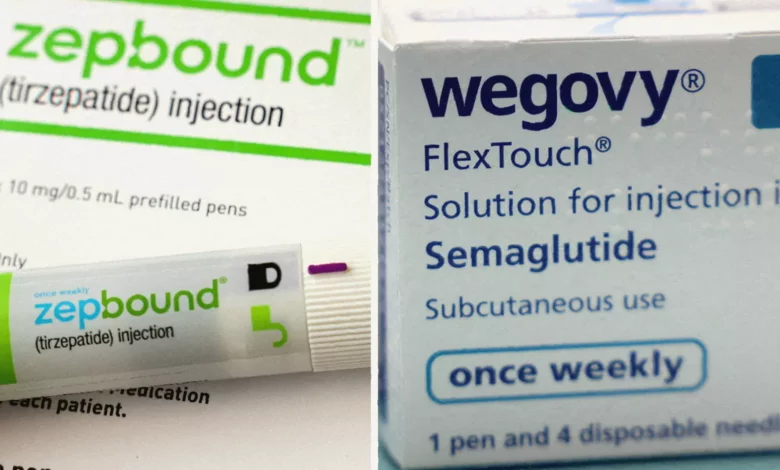
Three drugs are covered: the injectables Zepbound (Eli Lilly) and Wegovy (Novo Nordisk), and Foundayo (Eli Lilly), a tablet version. Wegovy is also available in tablet form. Zepbound, considered one of the most powerful options, has been shown to produce an average weight reduction of nearly 21 per cent after 72 weeks. Only the Zepbound KwikPen formulation is included; single-dose pens and vials are not covered. It is important to note that Ozempic and Mounjaro — while also GLP-1 receptor agonists — are generally covered by Part D for type 2 diabetes and are not part of this weight-loss-focused Bridge programme.
Who can get the drugs?
Medicare serves people aged 65 and older, as well as younger individuals with disabilities. There are approximately 56 million people enrolled in Medicare Part D, according to the non-profit health research group KFF. A KFF analysis of 2023 Part D data estimates that around 3.8 million beneficiaries could be eligible for the Bridge programme. However, the exact number who meet the clinical criteria is narrower.
To qualify, a beneficiary must be 18 or older, enrolled in a Medicare Part D prescription drug plan (either a standalone plan or a Medicare Advantage plan with drug coverage), and the drug must be prescribed for weight loss as part of a comprehensive lifestyle programme focusing on diet and exercise. The Centers for Medicare & Medicaid Services (CMS) has set out specific clinical criteria:
• A body mass index (BMI) of 35 or higher;
• Or a BMI between 30 and 34.9, plus at least one of the following: diastolic heart failure (heart failure with preserved ejection fraction), uncontrolled high blood pressure, or chronic kidney disease (stage 3a or higher);
• Or a BMI of 27 or higher, plus a history of prediabetes, heart attack, stroke, or peripheral artery disease with symptoms.
People who already have a GLP-1 drug covered through their Medicare Part D plan for conditions such as type 2 diabetes, moderate-to-severe sleep apnoea, or fatty liver disease (MASH) are not eligible for the Bridge programme and should continue with their existing coverage.
A prior authorisation is required — a process in which a doctor must obtain approval from the plan before the drug is covered. Prescribing providers must certify that the GLP-1 drug is being used as part of a lifestyle programme focused on diet and exercise. Providers do not need to be enrolled in Medicare to prescribe or submit a prior authorisation request, as long as they are not on the Preclusion List. For beneficiaries who began GLP-1 therapy before 1 July 2026, eligibility will be based on the BMI and health conditions they had when they started the therapy, even if their current BMI has decreased.
The $50 monthly copayment does not count towards the Medicare Part D deductible or the annual out-of-pocket spending limit. Cost assistance programmes such as “Extra Help” cannot be used, and the copay is not eligible for the Medicare Prescription Payment Plan. No coordination of benefits exists with other insurers, and manufacturer coupons or discount programmes cannot be applied.
A central system managed by Medicare — with Humana selected as the central processor — handles approvals, processes claims and pays pharmacies. Claims are submitted electronically. The programme operates in every state and territory.
Why is it temporary?
Federal law generally prohibits Medicare from covering drugs used solely for weight loss. The Trump administration launched the Bridge programme under its authority to run temporary demonstration projects. CMS Administrator Dr Mehmet Oz said when announcing the plan: “These treatments are a major medical advancement, but too many seniors are currently unable to access them due to high cost.”
The Bridge programme is intended to collect data on GLP-1 utilisation to inform future coverage decisions. A broader initiative called the BALANCE model — which would have allowed Part D plans to opt into covering GLP-1s for weight loss — has been delayed indefinitely, underscoring the temporary nature of the current scheme.
Coverage under the Bridge is valid through 31 December 2027, unless a patient changes GLP-1 drugs. It is unclear what would happen to coverage in that event. After the programme expires, the future of affordable access for beneficiaries is uncertain. Stacie Dusetzina, a health policy professor at Vanderbilt University, wrote in The New England Journal of Medicine that “when it expires, it is unclear how beneficiaries will access GLP-1 medications at an affordable price”. She warned that patients may stop taking the drugs and regain weight, leading to “poor clinical outcomes”.