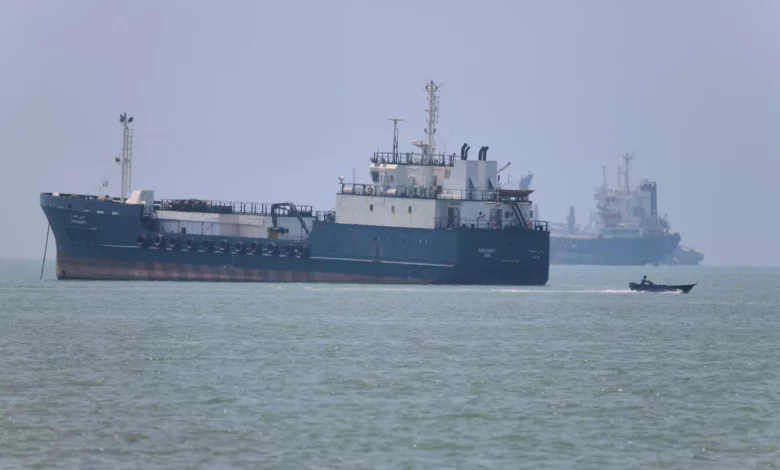
Iran has insisted that mine clearance in the Strait of Hormuz will be carried out by its forces alone, directly challenging a planned UK- and French-led mission to secure the vital oil route and exposing fresh strains in the fragile ceasefire with the United States.
Tehran’s deputy foreign minister, Kazem Gharibabadi, cited the terms of the interim ceasefire deal – known as the Islamabad memorandum of understanding – as the basis for its exclusive claim. He wrote in response to French President Emmanuel Macron that demining is “carried out solely by Iran and by no other country”, and warned Paris not to “complicate” an already sensitive situation with “provocations”.
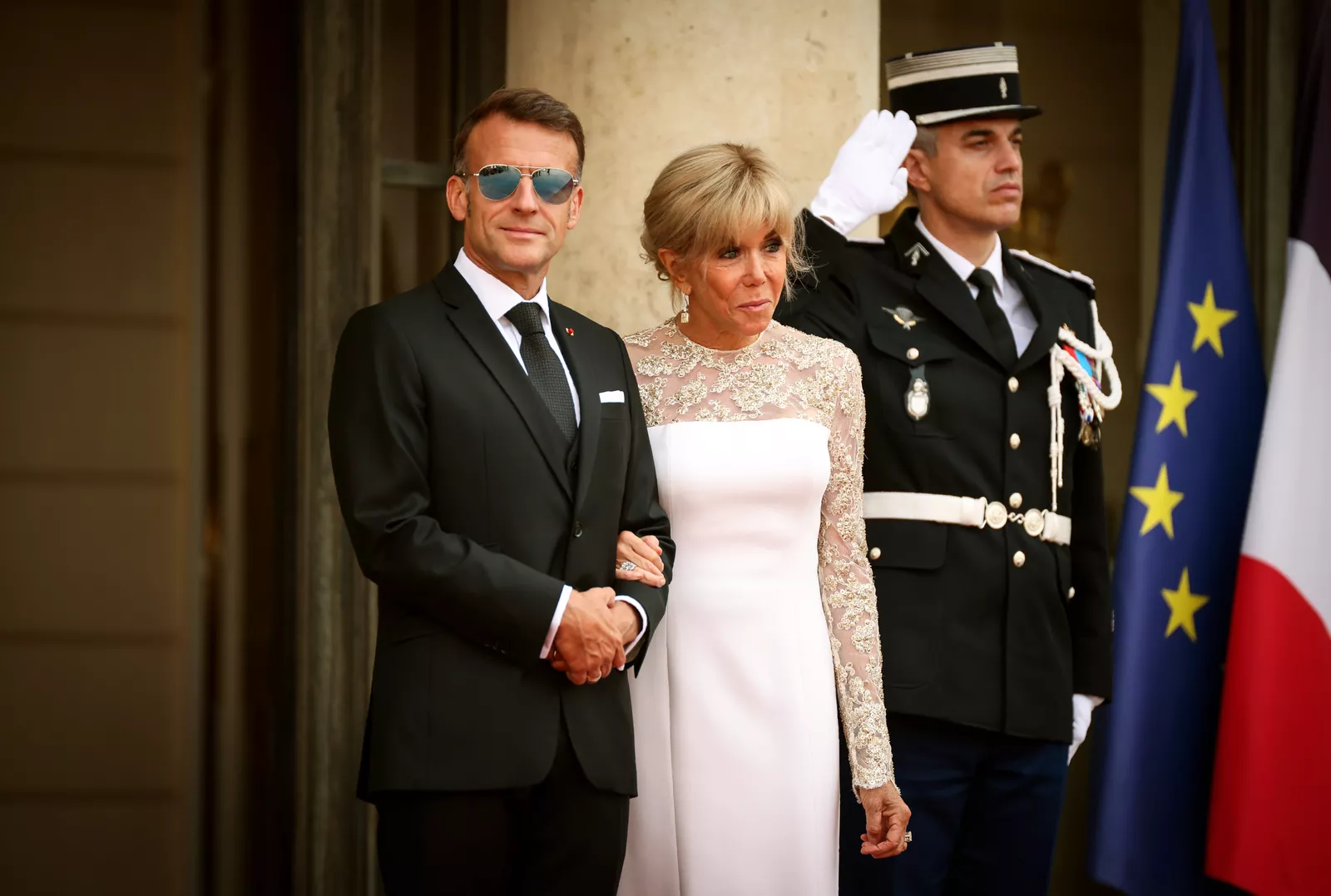
Macron had earlier announced on social media that France and Oman would “collaborate jointly, in co-ordination with our partners, on demining the strait to secure maritime routes and ensure free and unconditional passage”. His comments followed a meeting in Paris with the sultan of Oman.
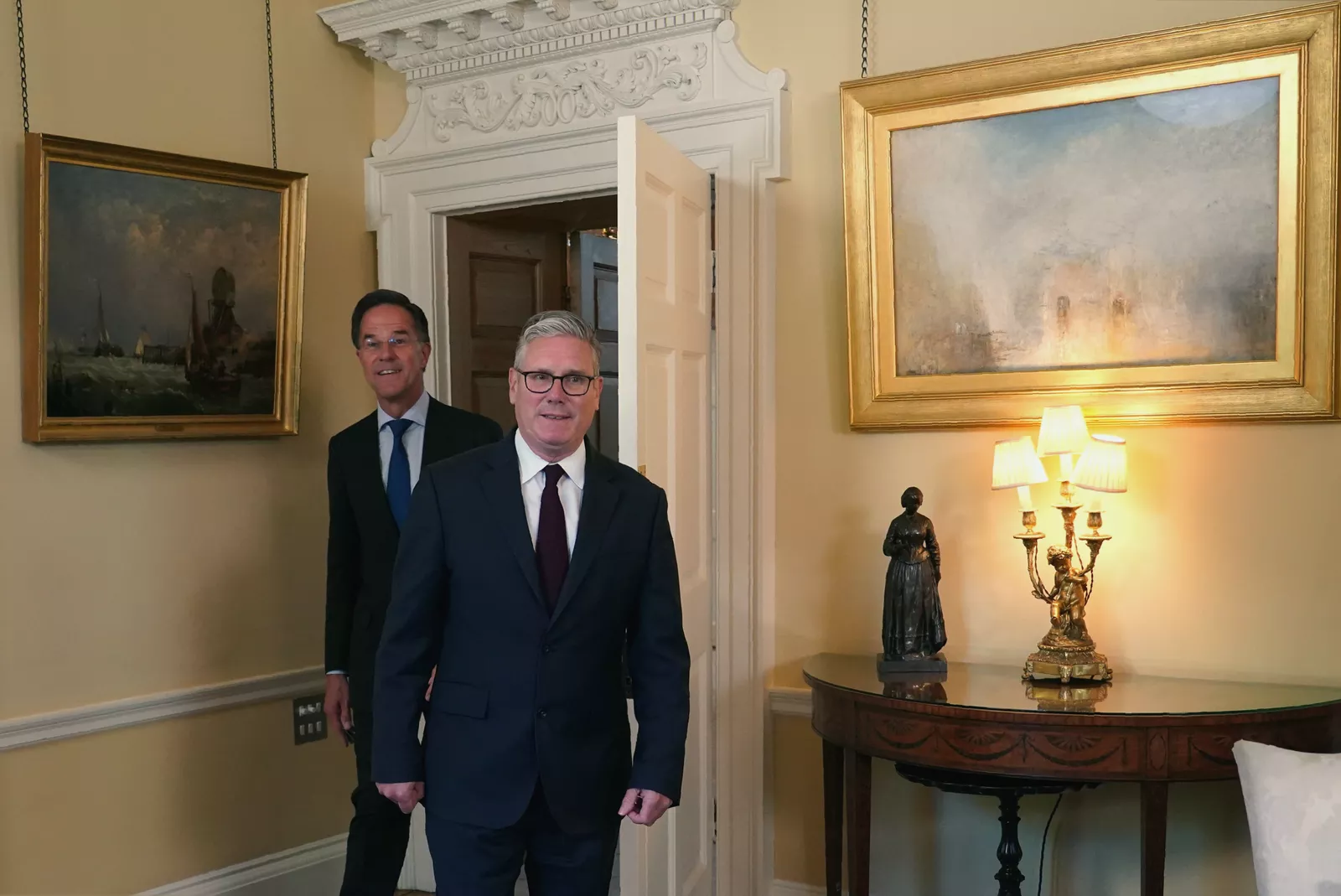
Britain and France have been the lead architects of a proposed multinational military mission to protect shipping through the Strait once hostilities end – a mission described as “strictly peaceful and defensive”. The UK announced in May that it would deploy the Type 45 destroyer HMS Dragon, autonomous mine-hunting systems, counter-drone technology and Typhoon jets to the region. European leaders formally endorsed the concept after a summit in Berlin, and military planners from 44 nations have been involved in developing the plan.
The Royal Fleet Auxiliary vessel RFA Lyme Bay has already arrived in the Middle East carrying advanced mine-hunting equipment. France and Oman separately agreed to a joint demining operation, which Iran now says it will not tolerate.
The Islamabad memorandum: demining terms in focus
The Islamabad memorandum of understanding – a 14-point agreement signed on June 17, 2026, between the United States and Iran – provides the framework for the current 60-day ceasefire and sets out conditions for reopening the Strait. Central to the dispute is Article 5, which Gharibabadi said assigns management of the waterway to coastal states and grants Iran sovereignty over demining operations. He disclosed that the US had sought involvement in mine clearance during the negotiations but was “firmly rejected” by Tehran.
Under the MOU, safe, toll-free passage through the Strait is guaranteed only for the 60-day interim period, pending a final deal on Iran’s nuclear programme. The pact explicitly states that demining “would be carried out by Iran”. It also leaves it to Tehran and Oman, in conjunction with other Gulf states, to “define the future administration and maritime services in the Strait of Hormuz”. The MOU further provides for the lifting of the US naval blockade of Iranian ports, the unfreezing of Iranian assets and a $300bn fund for Iran’s reconstruction.
Despite the reopening of the Strait, Iran has continued to exert leverage. Ships have been required to submit transit requests 48 hours in advance to the Persian Gulf Strait Authority, and Tehran has raised the prospect of future charges for passage. Gharibabadi warned that any alternative shipping routes not coordinated with Iran were “unacceptable and completely dangerous” and that “safe passage cannot be guaranteed through ambiguous arrangements”.
Iran’s warning and the fragile truce
Gharibabadi’s remarks came after a weekend of renewed exchanges of fire between Iran and the United States that further tested the ceasefire. An attack on a cargo ship had sparked a four-day period of strikes, threatening the entire truce. The Strait remains a flashpoint: the impasse earlier caused a global economic shock, disrupting oil, gas and fertiliser supplies and driving up fuel and food prices. Brent crude briefly exceeded $100 a barrel, and the conflict has cost American households an estimated $1,000 each in increased expenses.
In his response to Macron, Gharibabadi wrote: “The situation is sensitive and complex. We strongly advise France not to complicate it further with its provocations.” He insisted that any “credible framework” for navigation must be based on coordination with Tehran and align with Article 5 of the MOU. Iran has previously described the presence of foreign warships in the area as an “escalation of the crisis and militarisation of a vital waterway”.
Meanwhile, the United States is sending a high-level delegation, including Jared Kushner and Steve Witkoff, to Qatar for talks with Iran. Tehran, however, has denied that any meeting is scheduled, saying its technical delegation’s visit to Qatar is unrelated to the Americans’ presence. The disagreement underscores the fragility of the diplomatic process, with the 60-day clock ticking on an interim deal that many experts doubt will restore free and unfettered passage through the Strait. The UK Foreign Office has been contacted for comment.