Treasury Secretary Scott Bessent has insisted that any agreement to end the conflict with Iran remains solely a matter for President Donald Trump, declining to confirm reports that negotiators have reached a tentative 60-day extension of the ceasefire and a framework for nuclear talks.
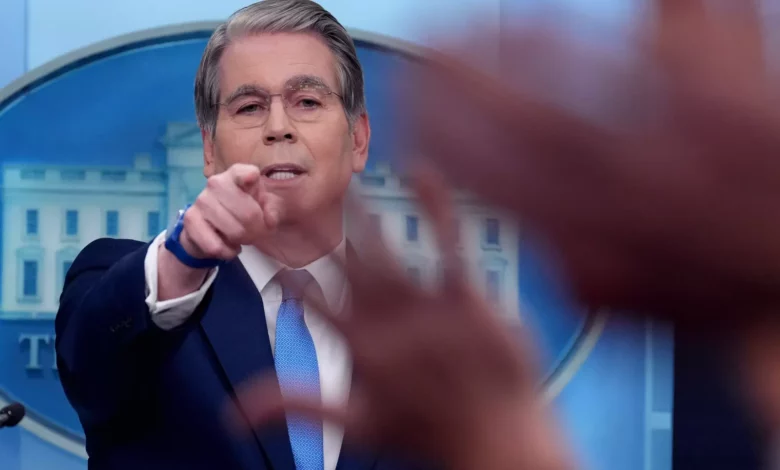
Fielding questions at a White House briefing on Thursday, Mr Bessent said he had not spoken to Mr Trump about the draft settlement and refused to be drawn on its details. “It’s always a mistake to get out ahead of the president,” he told reporters. “It is all going to be the president’s decision.”
Pressed on the shape of any eventual deal, Mr Bessent underlined the president’s core demands. Mr Trump has made clear he will not accept a “bad deal” and is seeking what he calls a “great deal for the American people”. The White House has set three non-negotiable conditions for Tehran: the full reopening of the Strait of Hormuz, the elimination of all highly enriched uranium held by Iran, and a binding commitment never to develop a nuclear weapon.
According to the Treasury secretary, Mr Trump’s approach is uncompromising. “He’s not going to take a bad deal,” Mr Bessent said. “He’s going to make a great deal for the American people.”
The president’s demands come against a backdrop of intensifying military exchanges. The fragile truce that has held for three months was shaken this week after the United States and Iran traded fresh strikes. Iran has accused Washington of violating the ceasefire, while the Pentagon has described its operations as “purely defensive”. On May 27th, Kuwait reported intercepting missiles launched by Iran — an incident that US Central Command labelled an “egregious ceasefire violation”. American forces have also conducted strikes on Iranian targets, which the military characterises as defensive action against drone operations.
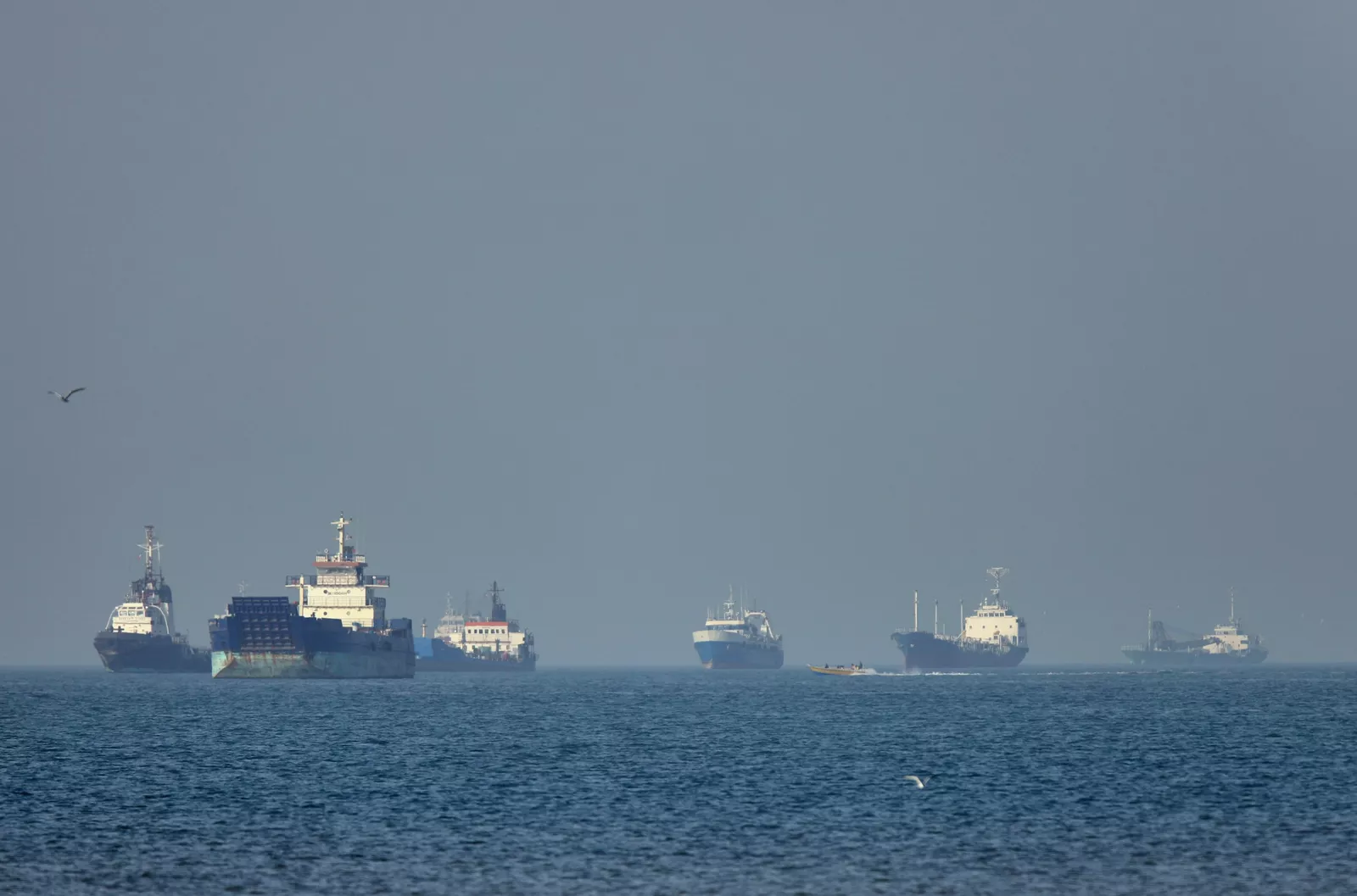
The escalation follows the original outbreak of hostilities on February 28, 2026, when US and Israeli air strikes against Iran included the assassination of Supreme Leader Ali Khamenei. Iran retaliated with missile and drone attacks on Israel and US bases, and has since largely blocked shipping through the Strait of Hormuz.
The strait remains the most volatile flashpoint in the negotiations. Hundreds of vessels have been left stranded, global trade has been severely disrupted, and energy prices have soared. Mr Trump has made the reopening of the waterway a prerequisite for any deal.
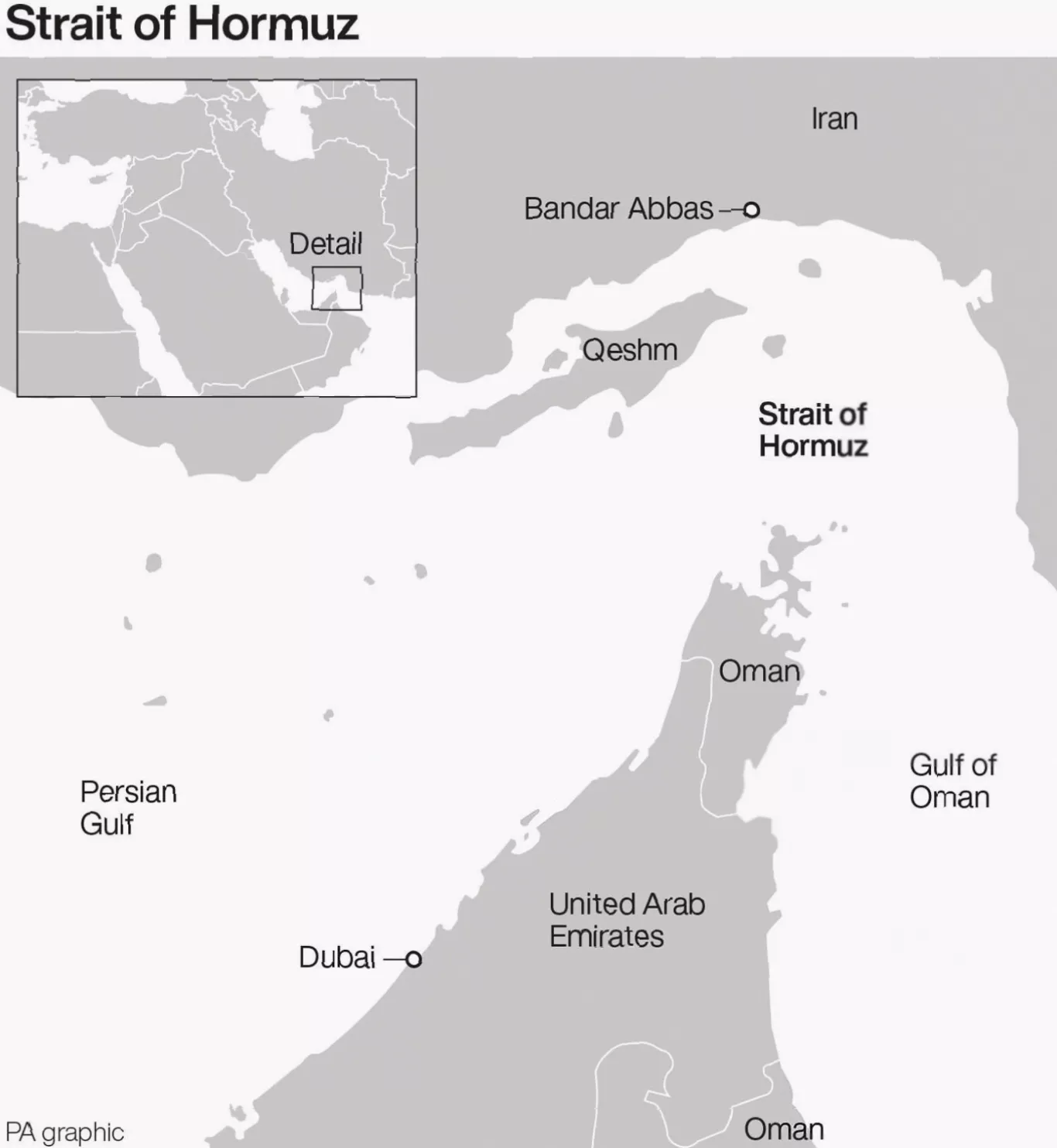
Reports that Oman and Iran were considering a joint tolling system for the Strait of Hormuz drew a blunt warning from the president, who told the Gulf state it would have to “behave just like everybody else or we’ll have to blow them up”. Mr Bessent revealed that he had since spoken directly with Oman’s ambassador to Washington, Talal Alrahbi, who assured him that Oman has “no plans for tolling the strait”.
“As he said, our countries have had 200 years of good relations. He wants to have another 200 more,” Mr Bessent told reporters. “I told him that this was a non-starter and he did not want to risk either the Omani individuals or Omani financial institutions getting sanctioned.” The US Treasury has already placed sanctions on Iran’s “Persian Gulf Strait Authority”, the agency created to collect tolls for ships using the waterway.
The diplomatic pressure on Oman reflects a wider economic campaign. Washington has been pursuing a “maximum pressure” strategy against Tehran, including sweeping sanctions and asset seizures. Mr Bessent acknowledged that the US deliberately engineered a shortage of US dollars inside Iran, contributing to currency devaluation and economic strain. As part of “Operation Economic Fury”, the Treasury Department has seized nearly $500 million in Iranian cryptocurrency assets.
Mr Bessent also defended the decision to grant temporary sanctions relief to both Iran and Russia, arguing it helped stabilise global oil prices amid the crisis.
On the nuclear front, the tentative draft agreement — subject to President Trump’s approval — is understood to include a temporary moratorium on Iranian uranium enrichment and the opening of discussions on sanctions relief. However, Iran has reportedly designated nuclear enrichment as a “red line” in negotiations, complicating any path to a final settlement.
Oman’s ambassador, who was appointed on March 17, 2025, and presented his credentials to President Trump on July 26, 2025, has a background in economics and public policy. The sultanate has historically maintained a neutral foreign policy and acted as a mediator between Washington and Tehran, including during the talks that led to the 2015 nuclear deal. The Trump administration’s explicit threats to “blow up” Oman underline the high stakes and the precarious position of a country that shares a border with Iran on the Strait of Hormuz.