Top US university faces probe over grants for lecturers who self-identify as people of colour

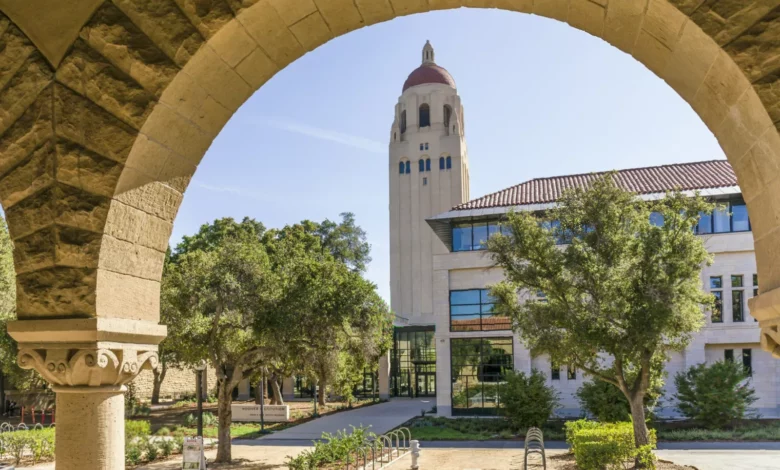
Stanford University faces a federal investigation over a funding scheme that reserved financial support for teachers who identify as a person of colour, in a case that will test the boundaries of race-conscious initiatives in higher education.
The US Department of Education’s Office for Civil Rights (OCR) has opened a probe into the university’s National Board Resource Center (NBRC) to determine whether its “Black, Indigenous, People of Color (BIPOC) Cohort” programme violated Title VI of the Civil Rights Act of 1964. That statute prohibits discrimination on the grounds of race, colour or national origin in any educational programme that receives federal funding.
The investigation was triggered by a civil rights complaint filed in March by Defending Education, a conservative advocacy group that has repeatedly challenged diversity, equity and inclusion (DEI) policies at American universities.
The scheme at the centre of the probe
The programme in question — the BIPOC Cohort, launched in 2022 — was a partnership between Stanford’s NBRC, the California Teachers Association (CTA) and the UCLA National Board Project. It offered fully funded support for teachers pursuing National Board Certification, a rigorous professional credential roughly equivalent to the UK’s Postgraduate Certificate in Education. Funding for the cohort came from grants provided by the CTA and the National Education Association.
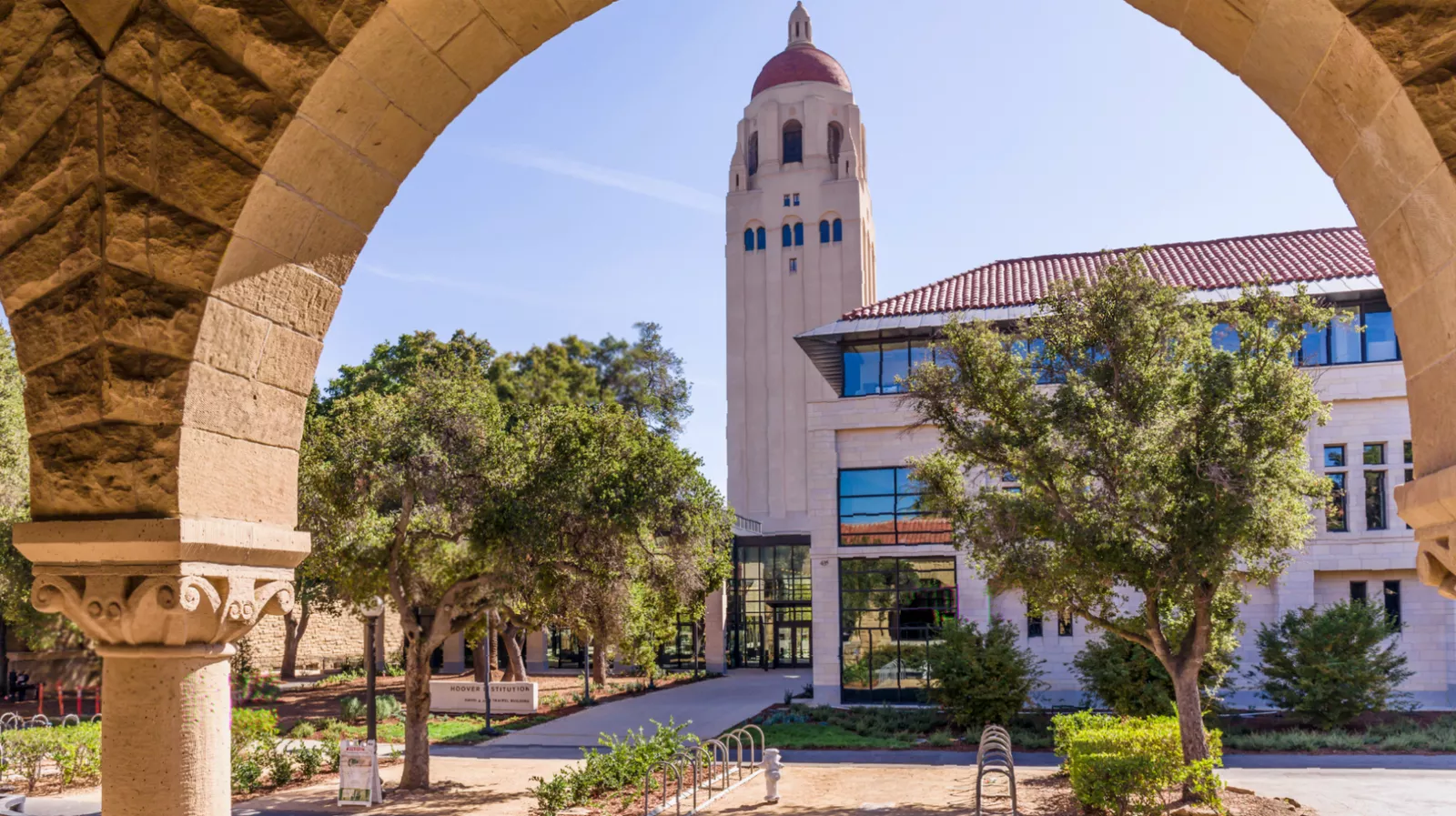
Stanford’s own application materials made the racial eligibility explicit. One question read: “Are you an educator of colour considering pursuing National Board Certification?” Another asked whether applicants wanted to “deepen your teaching practice and connect with other educators of colour?” The programme description explained that the partners were “launching a second fully-funded cohort of Black, Indigenous, People of Color (BIPOC) teachers committed to earning National Board Certification and serving as teacher leaders in their communities.”
Whether the scheme violates civil rights law
The core legal question is whether restricting access to a federally funded programme on the basis of race amounts to illegal discrimination, even if the stated aim is to increase diversity. Title VI bars institutions that receive federal money from using race as a criterion for participation in any programme or activity — a principle that, the Department of Education argues, Stanford appears to have flouted.
Assistant Secretary for Civil Rights Kimberly Richey condemned the scheme in stark terms. “Instead of helping students achieve their goals through merit, Stanford appears to be conditioning access to National Board Certification programs based on skin colour,” she said. “It is unconscionable that an institution which claims to be a pinnacle of educational excellence would deny opportunities based on race. If the allegations are true, Stanford is engaged in discrimination – pure and simple.”
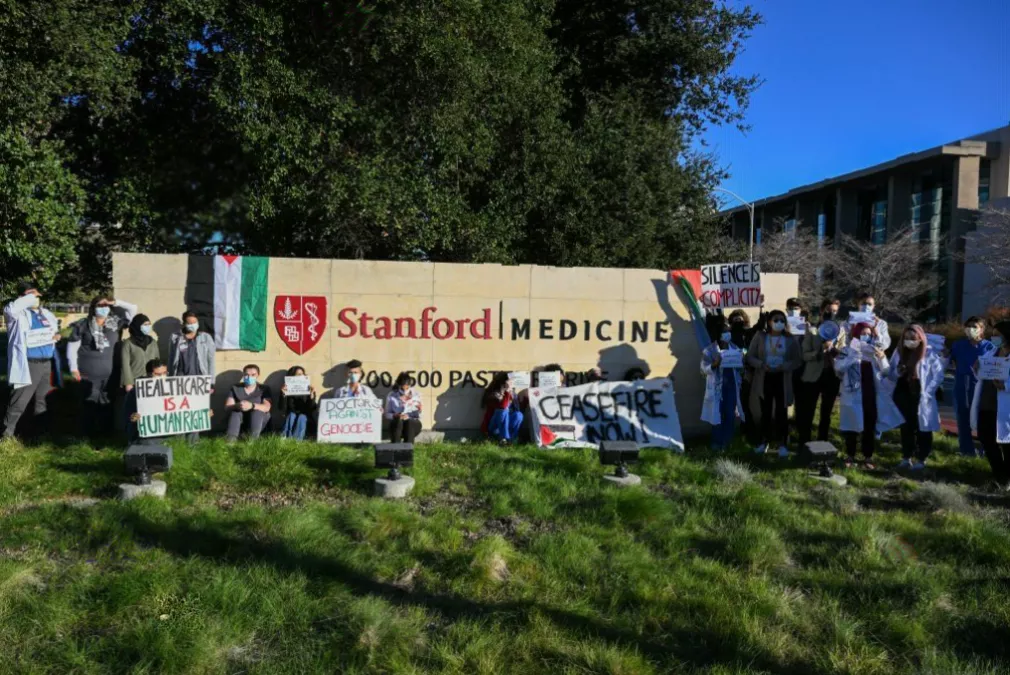
The investigation comes against a backdrop of heightened federal scrutiny of race-conscious policies in education. In March, the Department of Justice (DOJ) launched separate investigations into the medical school admissions practices of Stanford, Ohio State University and the University of California, San Diego, focusing on “possible race discrimination” following the Supreme Court’s 2023 ruling that struck down affirmative action. Those inquiries demanded seven years of application data — including test scores, home postal codes, and disclosures of alumni or donor ties — with a deadline of 24 April for compliance, under threat of losing federal funding.
President Donald Trump has pursued an aggressive crackdown on DEI initiatives across the federal government. Executive orders have been issued to dismantle diversity programmes, and the so-called “STOP DEI Bill” has been introduced in the House of Representatives, which would restrict federal funds to institutions that consider race, sex, ethnicity, colour or national origin “in ways that violate the Nation’s civil rights laws.” At the federal level, the Trump administration has also halted or cancelled more than $1.1 billion in National Science Foundation (NSF) grants, with a substantial portion previously allocated to DEI-related research. Last week, Trump fired all members of the National Science Board, the body that oversees the NSF.
Stanford’s response
The university has moved to distance itself from the contested programme. A spokesman confirmed that “the cohort-based program that is the subject of the complaint is not accepting new teachers and is being sunsetted.” It remains unclear whether the decision to wind down the initiative was made before or after the Department of Education launched its investigation.

Stanford emphasised that its NBRC serves all primary and secondary teachers regardless of race. “Stanford University is committed to meeting its obligations under the federal Civil Rights Act and maintaining an environment free of prohibited discrimination,” the spokesman said. The centre offers mentorship, seminars and research resources to any teacher pursuing National Board Certification, and the now-defunct BIPOC cohort was only one of several options available.
The financial pressure on the institution has also intensified. In August 2025, Stanford announced it would lay off 363 employees, citing cuts to federal research funding and an increase in the endowment tax — itself part of the administration’s policy changes. A hiring freeze had been imposed in February of that year amid uncertainty over NSF and National Institutes of Health funding. The White House had earlier described its grant reductions as cutting “frivolous grants” and said “one-quarter of new National Science Foundation grants were allocated to DEI and other far-left initiatives.”