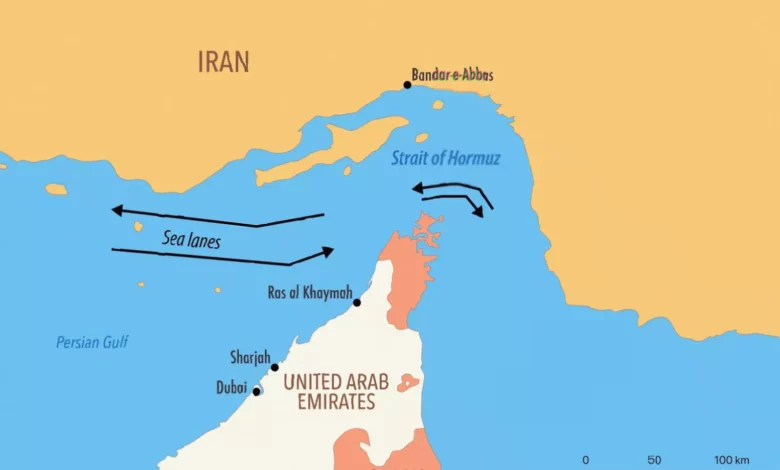
The most dramatic surge in global oil prices in years has been dramatically halted, with markets whipsawed by geopolitical rhetoric and the grim logistical realities of a Middle East conflict that has choked off a vital artery of world trade.
Brent crude, the international benchmark, plunged as much as 10% in early Asian trading on Tuesday to below $90 a barrel. This sharp reversal came just hours after it had soared to a session high of $119.50 on Monday—its highest level since mid-2022—amid fears of a widening regional war. US West Texas Intermediate followed suit, dropping 6.5% to $88.65.
A Sudden Shift in Sentiment
The immediate catalyst for the sell-off was US President Donald Trump’s assertion that the war against Iran was “very complete” and could be over “soon,” claiming Washington was ahead of schedule. However, this optimism was swiftly countered by Iran’s Revolutionary Guards, who stated Tehran would determine the war’s end and threatened to block “one litre of oil” from leaving the region if attacks continued.
President Trump later escalated his own rhetoric on Truth Social, warning Iran would be hit “twenty times harder” if it moved to blockade the Strait of Hormuz, the narrow waterway through which roughly one-fifth of the world’s seaborne oil passes.
Market sentiment was further influenced by a reported call between President Trump and Russian President Vladimir Putin. A Kremlin aide said Putin shared proposals aimed at a quick settlement to the Iran conflict, while Trump indicated Washington would waive oil-related sanctions on “some countries,” a move analysts saw as potentially easing restrictions on Russian crude.
The Underlying Physical Squeeze
Behind the volatile price action lies a severe and worsening disruption to global oil supply. The near-closure of the Strait of Hormuz has effectively stranded exports from the Gulf, forcing major producers to make drastic cuts as their onshore storage facilities fill to capacity.
According to industry reports, the cuts are widespread. Iraq has slashed production at its main southern oilfields by approximately 70%, reducing output to around 1.3 million barrels per day from a pre-conflict level of 4.3 million. Kuwait has declared force majeure, cutting output to about 2 million barrels per day. Saudi Arabia has also begun trimming production at some fields, while Qatar has halted liquefied natural gas exports and Bahrain’s Bapco Energies declared force majeure after an attack on its refinery.
“It will take time to restart shuttered production, particularly in Iraq and Kuwait because of their oil field characteristics,” David Doherty, head of natural resources research at BloombergNEF, told The Independent. The collective unused storage capacity in the Gulf is estimated at 100 million barrels, but with Iraqi storage reportedly down to just six days’ worth before cuts, the region is rapidly running out of room.
Markets Breathe a Sigh of Relief
Asian equity markets, which had been pummelled on Monday, staged a powerful rally on the prospect of de-escalation. Japan’s Nikkei 225 jumped 3.6%, while South Korea’s Kospi surged 6.4%—a gain so sharp it triggered an automatic trading curb on the Korea Exchange. The MSCI’s broadest index of Asia-Pacific shares outside Japan rose 2.6%.
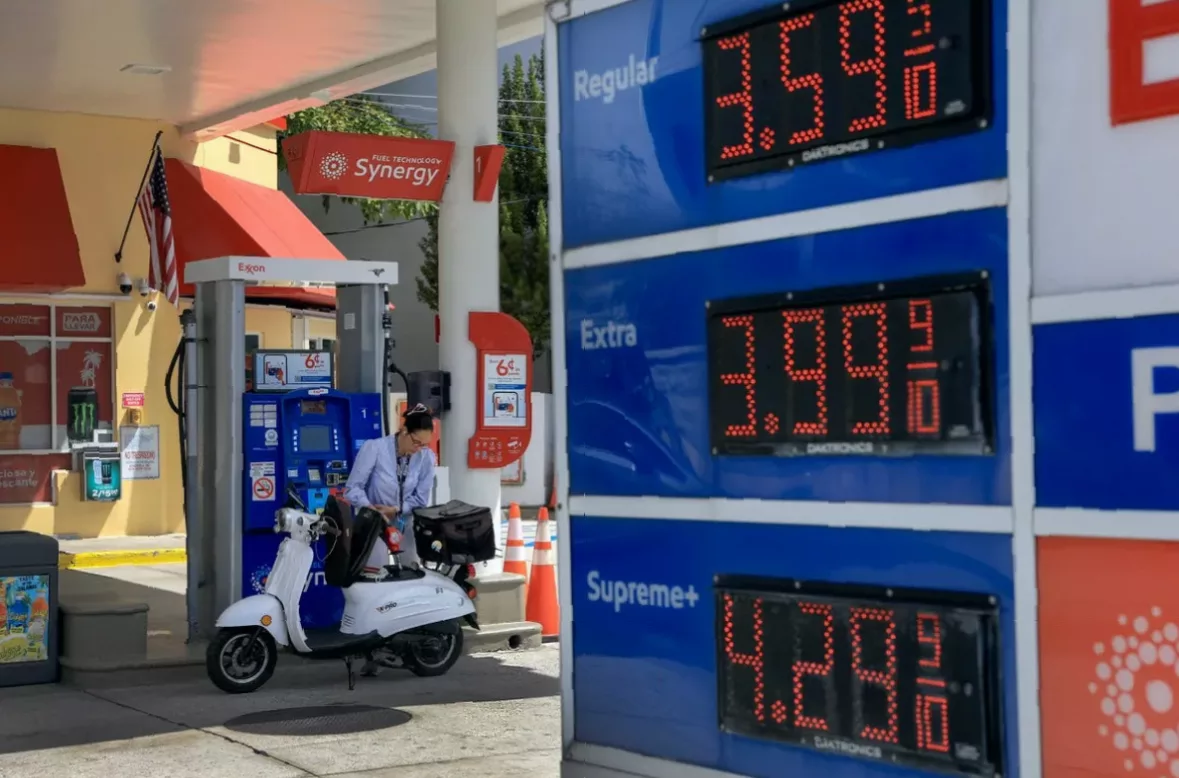
This rebound followed one of the most volatile sessions in recent memory, where oil had surged as much as 29% intraday before pulling back, and stock markets globally had swung wildly.
Analysts cautioned that the relief may be fragile. “While all of this has helped ease some of the short-term panic, it’s hard to reconcile the idea of the conflict being ‘very complete’,” said Tony Sycamore, a market analyst at IG in Sydney. He predicted crude could trade in a wide range of $75 to $105 a barrel in coming sessions as volatility persists.
International Moves to Calm Prices
Facing the spectre of a sustained oil shock, the G7 nations have stated they are prepared to implement “necessary measures” but have so far stopped short of committing to a coordinated release of emergency oil reserves. The International Energy Agency holds over 1.2 billion barrels of public emergency stocks.
In a specific move to keep oil flowing, the US Treasury issued a 30-day waiver allowing India to purchase Russian oil currently stranded at sea. The US is said to be considering a broader easing of oil sanctions on Russia as part of a package to curb global price spikes, driven by worries over the impact on US businesses and consumers.
India, which imports about 90% of its crude needs, has been a major buyer of Russian oil in the past. A government spokesperson stated the country does not depend on permission from any nation to make such purchases, though the US reportedly expects increased purchases of American oil in return. However, China is also competing for Russian barrels, which may limit the availability and discount for India.
A Tense Backdrop and New Leadership
Despite the market’s tentative hope, the geopolitical landscape remains fraught. Iran named Mojtaba Khamenei, the 56-year-old son of the late Supreme Leader Ali Khamenei, as his successor—a choice analysts interpreted as cementing hardliner control. Large crowds rallied in support in several Iranian cities, though the new leader has yet to be seen in public.
The appointment carries heightened risk; Israel had previously threatened to target whoever succeeded the elder Khamenei unless Iran ended its hostile policies. Furthermore, reports suggest Russia has been providing Iran with information to target US forces, indicating the complex, multi-front nature of the tensions.
For now, the world’s energy system hinges on a volatile mix of military posturing, logistical bottlenecks, and diplomatic manoeuvring. As David Doherty of BloombergNEF noted, if the conflict is resolved, prices should “come right back down toward the 60s.” But the path to that resolution—and the timeline for restarting millions of barrels of shut-in production—remains deeply uncertain.