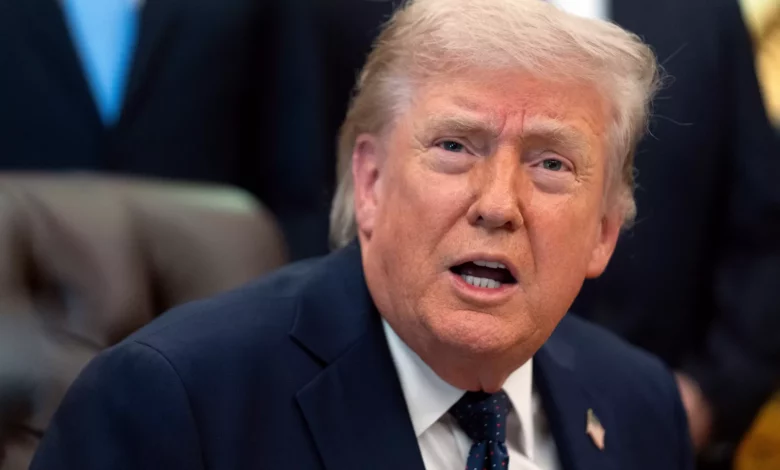
Donald Trump has threatened to impose a “big tariff” on the UK unless the government scrap its digital services tax, escalating a long-running dispute over the levy on American tech giants.
Speaking from the Oval Office on Thursday, the US president said: “We’ve been looking at it and we can meet that very easily by just putting a big tariff on the UK, so they better be careful. If they don’t drop the tax, we’ll probably put a big tariff on the UK.” Asked how high any retaliatory measure would be, he replied: “More than what they’re getting” from the levy. “What we’ll do is we’ll reciprocate by putting something on that’s equal or greater than what they’re doing.”
The UK’s digital services tax
The tax at the centre of the stand-off was introduced in April 2020 as an interim measure designed to make large multinational digital companies pay a fairer share to the exchequer. It imposes a 2% levy on the gross revenues of search engines, social media platforms and online marketplaces. The tax applies to corporate groups whose worldwide revenues from digital activities exceed £500 million and that earn at least £25 million of that from UK users.
According to a 2025 Treasury review, the levy raised more than £800 million in the 2024–25 financial year, up from £678 million the previous year. Projections suggest it could reach £1 billion by 2028–29 if left in place. The Treasury’s own figures indicate that revenue is comparable to the cost of training between 108,000 and 128,000 new nurses. Since its introduction, HMRC has identified no avoidance or fraud specifically linked to the tax, with compliance issues confined to differences in legal interpretation or mistakes, rather than deliberate non-compliance. The tax is levied on revenues rather than profits, and some companies have passed the cost on to customers through higher prices or fees.
Mr Trump has long argued that such taxes unfairly target American technology companies, which dominate the global digital market. “The UK did it, a couple of other people did it,” he told reporters. “They think they’re going to make an easy buck, that’s why they’ve all taken advantage of our country.” He described the levy as hitting “top companies in the world” and has previously called digital taxes, digital services legislation and digital markets regulations “all designed to harm, or discriminate against, American Technology”. In a post on Truth Social in August 2025, he said: “This must end” and threatened “substantial additional tariffs” unless the “discriminatory actions” are removed.
The UK’s tax was left unchanged under the UK–US trade deal agreed in May 2025, despite being a point of discussion. Both sides agreed at the time to work on a separate digital trade agreement, but Mr Trump suggested earlier this month in an interview with Sky News that the terms of the trade deal “can always be changed”. In February 2025 he signed an executive order directing the US Trade Representative to investigate potential retaliatory tariffs against countries with digital services taxes, including the UK, France, Italy, Canada, Spain and Turkey. During his first term, the US launched investigations under Section 301 of the Trade Act of 1974 into the DST practices of several European nations.
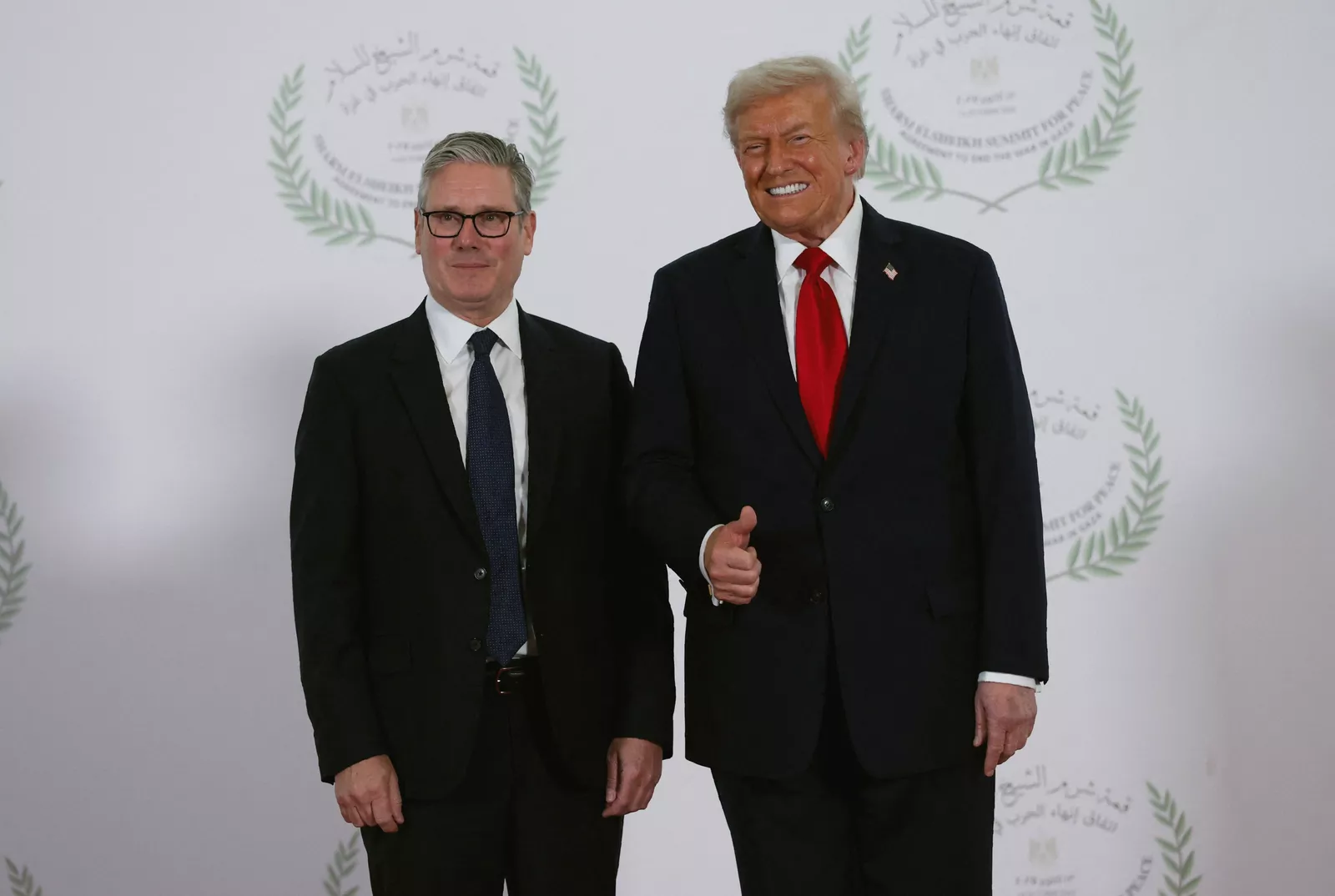
Despite Mr Trump’s characterisation, HMRC data shows that a significant portion of the companies liable for the UK’s digital services tax are not US-headquartered, undercutting claims that the tax is solely aimed at American firms. The tax was always intended as a temporary measure, pending a global solution through the OECD’s “Two Pillar” initiative, but progress on international tax reform has been slow, leaving the levy in place longer than originally anticipated.
Strained UK-US relations
The tariff threat adds to wider strains between London and Washington that have deepened after Sir Keir Starmer ruled out British involvement in the conflict in the Middle East. Speaking at Prime Minister’s Questions in the House of Commons, the prime minister said: “My position on the Iran war has been clear from the start. We’re not going to get dragged into this war. It is not our war. A lot of pressure has been applied to me to take a different course, and that pressure included what happened last night. I’m not going to change my mind. I’m not going to yield. It is not in our national interest to join this war, and we will not do so. I know where I stand.”
Mr Trump’s latest remarks are part of a broader campaign: similar threats to impose new tariffs and export controls have been made against a number of European countries that operate digital taxes, including France, Italy, Spain, Austria, Poland and Portugal. Public opinion in the UK, however, appears to side with maintaining the levy. Polling from August 2025 indicated that two-thirds of Britons favoured enforcing the digital tax laws, with support rising among Labour voters — a factor that limits the government’s room for manoeuvre.
Downing Street has been contacted for comment.