If you had put £100 into global shares in 1970 and left it there through oil crises, the dot-com bust and the global financial crisis, that money would now be worth around £35,000. Keep the same amount in cash and you would have just £3,400 — barely a tenth of the value. That stark contrast, drawn from figures published by the investment platform Vanguard, sits at the heart of the government’s push to change how Britain saves.
ISA allowance cut to steer savers towards stocks
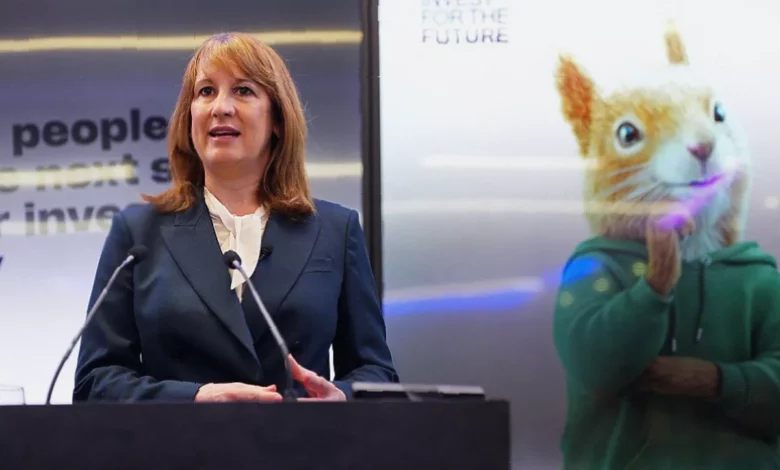
Chancellor Rachel Reeves announced in the Autumn Budget on 26 November 2025 that the annual cash ISA allowance will be cut from £20,000 to £12,000 from April 2027 for anyone under 65. Those aged 65 and over will keep the full £20,000 limit. The stocks and shares ISA allowance remains unchanged at £20,000, meaning anyone who wants to shelter more than £12,000 from tax each year will have to use an investment account for the surplus. It is the first reduction to the cash ISA allowance since 2017 and forms part of a wider effort to channel some of the estimated £200 billion sitting in excess cash savings into the stock market.
‘Savvy Squirrel’ arrives to change the investing habit
To accompany the policy change, the Treasury, the Financial Conduct Authority and the Money and Pensions Service have thrown their weight behind a campaign called “Invest for the Future,” coordinated by the Investment Association and backed by 20 of the UK’s largest financial services firms. Its public face is a CGI red squirrel named “Savvy.” The campaign targets the estimated 7 million adults who hold more than £10,000 in idle cash — cash that could be invested. Research conducted for the campaign suggests 44% of people with savings but no investments say they would be interested in learning more. The aim is to make investing less intimidating, addressing common barriers such as anxiety about losing money, aversion to risk and the belief that you need specialist knowledge or a large sum to start.
The campaign will run across television, newspapers and online, with a phased rollout beginning on digital and social media before moving to television in the autumn. Alongside the advertising, “savvy cabs” — taxis turned into mobile discussion spaces — will give passengers a chance to talk about money and investing. The full three-year programme is expected to cost between £20 million and £30 million. Some of the companies funding it have expressed frustration that the television and billboard ads will not appear until autumn, missing the “ISA season” currently under way. A number of investment platforms initially withdrew their support over cost concerns, though the campaign has since gone ahead.
The mascot has drawn comparisons with past public information characters. The original article noted that “Savvy Squirrel is certainly cute and likeable, unlike the pensions ‘Workie’” — the scary monster used in 2015 to promote auto-enrolment. But the real benchmark is the 1980s “Tell Sid” campaign for British Gas privatisation, which demonstrated the power of word-of-mouth in turning a nation of savers into shareholders. Whether a red squirrel — a species that is itself endangered — can do the same remains an open question, and some commentators have criticised the campaign’s AI-generated imagery as uninspired.
Why investing beats saving over the long term
The policy and the mascot are both means to a single end: convincing Britons that holding large sums in cash costs them money over time. Vanguard’s historical data makes the arithmetic plain. Over 50 years, £10,000 invested in global shares could grow to between £128,214 and £365,592, depending on market performance, while the same sum kept in cash would struggle to reach £45,553. The gap is driven by compounding — the process by which returns earn their own returns, building wealth exponentially over decades.
Inflation eats away at cash savings in a way that is easy to overlook when interest rates are low. The original article pointed out that inflation hit 9.6% in November 2022. At that rate, unless a savings account paid more than 9.6%, money in cash was losing real spending power. Although inflation has since come down to 3.3%, the same principle applies: if your cash earns less than inflation, its value erodes. Vanguard estimates that Britons collectively hold around £200 billion in excess cash — money that could be put to work. By not investing, those savers are effectively accepting a guaranteed loss of purchasing power over the long run.
The campaign and the ISA cut are set against a broader problem of financial literacy. Financial education has been compulsory in England since 2014, but Martin Lewis has argued that implementation has been insufficient, leaving a “poverty” of financial understanding in schools due to a lack of resources and emphasis. As a result, many adults remain wary of investing. The original article offered simple rules for anyone thinking of starting: clear any unsecured debt first, build an emergency cash fund, and only invest money you will not need for at least five years. Once you begin, the advice is to start small to build confidence, keep investing each month even when markets fall, and remember that investing is a long‑term game.
The UK currently has the lowest share of household savings invested in the stock market among G7 countries. The proportion of household assets held in investments peaked at 23% in 1999 and has since declined. Out of 13.4 million people who held only a cash ISA as of April 2026, many could benefit from shifting at least some money into the market. The Chancellor’s Leeds Reforms, which aim to revive the UK’s liquidity‑starved capital markets, sit alongside the campaign as part of the same strategy. Meanwhile, the FCA has reduced red tape on financial advice firms and removed the requirement for investment risk warnings in marketing materials, in an effort to make the decision to invest feel less daunting.
Yet the overhaul of the cash ISA system has not been smooth. Reports have emerged that the planned changes have stalled, leaving account holders uncertain about what comes next. The Treasury has been in discussions but has not yet reached a final decision. Despite these delays, the message from the data is clear: over decades, investing has consistently produced far greater returns than cash, and the power of compounding means that most people who invest see an upside and become more financially resilient than those who stick with savings accounts alone.