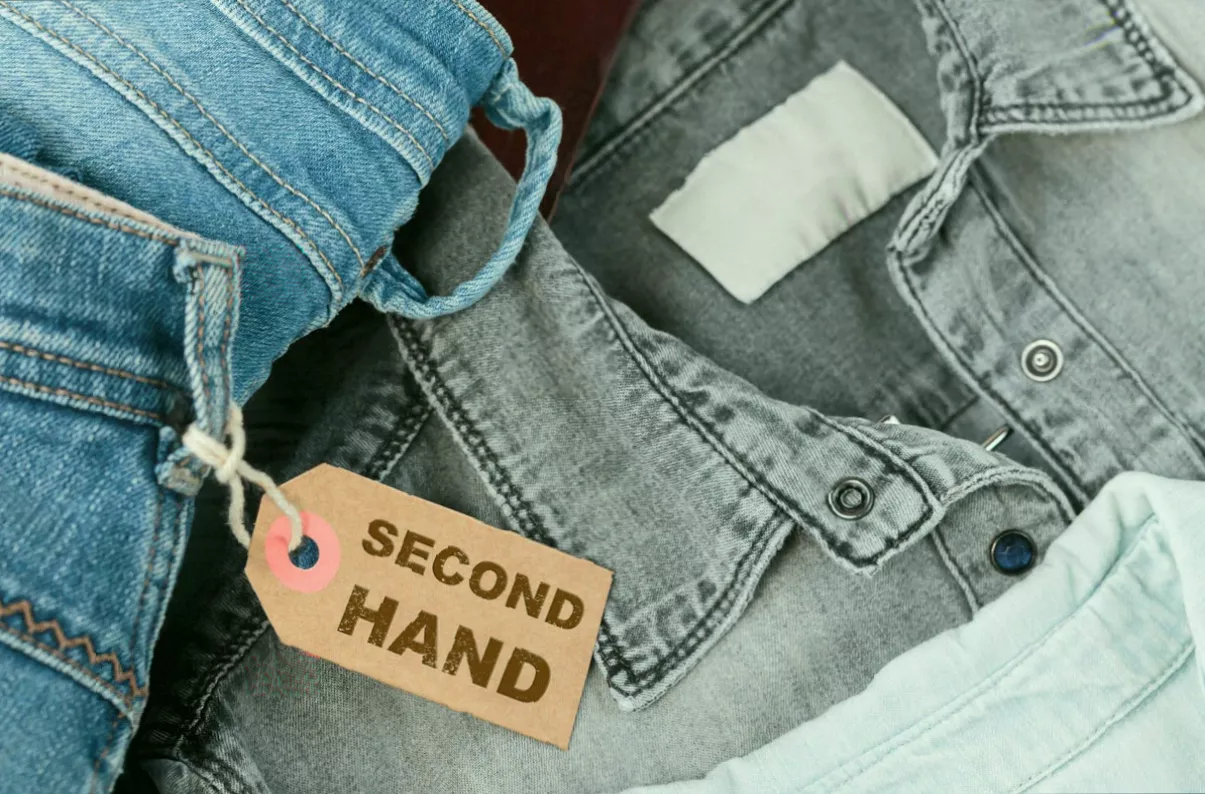
One in ten UK consumers now makes second-hand goods their first choice for any purchase that isn’t food, according to new research, signalling a profound shift in the nation’s shopping habits driven by economic pressure and changing attitudes.
The survey for KPMG UK, conducted by OnePoll between 5 and 16 March, found that 8% of all adults have used resale platforms as their primary method for buying non-grocery items so far this year. This figure doubles among young adults, with 15% of 18–24-year-olds leading the charge.
The Profile of the Second-Hand Shopper
The trend cuts across income brackets but reveals distinct patterns. The most active buyers on resale platforms this year are those earning between £30,000 and £35,000. When it comes to selling, a third of all people have sold an item via a reselling site in 2026, averaging five items each. Those earning between £35,000 and £40,000 sold the most items on average, while a further 18% plan to start selling soon.
This demographic skew is supported by wider data. Barclays research indicates one in four 16–24 year-olds use resale platforms to save money, compared to just 9% of the over-55s. A previous KPMG report from late 2025 suggested 31% of 18–24 year-olds were likely to buy more second-hand goods in 2026, far above the 21% average across all ages.
Why the Second-Hand Market is Booming
According to Linda Ellett, head of consumer and retail for KPMG UK, a combination of factors is driving the popularity of pre-loved goods and “shaking up the UK retail landscape”. The dominant force is financial. With the cost of living remaining high and cautious spending the norm, affordability is key. Research shows 79% of UK shoppers cite saving money as their main motivation for buying second-hand, with over four in five feeling positive about the cash they save.
Sustainability is a significant secondary driver, with one in four consumers globally buying second-hand to reduce environmental impact. Consumers are increasingly aware of issues like climate change and resource depletion, expecting businesses to demonstrate ethical practices. However, for many, this conscious consumerism exists in a trade-off with managing tighter budgets.
Other motivators include the ability to make extra money by selling, the improved range and quality of items available on dedicated platforms, and the sheer simplicity and convenience of the process.
Retailers Adapt to the New Landscape
The surge in consumer-to-consumer (C2C) trade is directly impacting high-street spending on new items, prompting major retailers to launch their own competing services. Many are now introducing reuse schemes that offer refurbishment and authenticity guarantees as a point of difference from open C2C platforms.
Examples are proliferating: Zara operates a Pre-Owned service, IKEA is testing a peer-to-peer used furniture marketplace, and H&M has experimented with pre-loved initiatives. Marks & Spencer, COS, Levi’s, Baukjen, and River Island, with its Take Back Scheme offering vouchers for old clothes, have all entered the space.
They are competing in a rapidly expanding market. The second-hand fashion sector is particularly robust, with platforms like Vinted boasting over 17 million UK users. While fashion leads, accounting for 72% of second-hand purchases, interest in refurbished technology is growing, with over a third of UK consumers now buying pre-loved tech. The broader C2C e-commerce market globally is forecast to grow from $3.08 trillion in 2025 to $3.83 trillion in 2026.
With 92% of UK shoppers planning to maintain or increase their spending on pre-loved goods, and high-street names now fully engaged, the structural shift towards second-hand looks entrenched. As KPMG’s Linda Ellett notes, with high costs and sustainability a lasting priority, “reuse growth looks set to continue.”