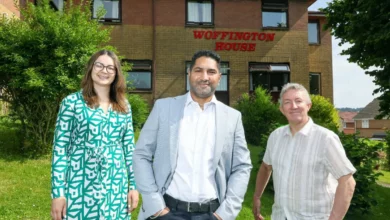
The head of one of southern England’s largest pub groups has launched a scathing attack on the government, accusing ministers of ignoring the relentless cost pressures crippling British businesses.
Jonathan Lawson, chief executive of the Butcombe Group which operates more than 130 pubs, bars and inns, said planning had become immensely difficult and that the government was failing to listen to industry concerns. “The Government is not listening, and we need to be very clear about this,” he told the BBC, accusing ministers of a failure to engage on critical issues like business rates and wider fiscal policy.
The Profit Squeeze Behind the Performance
Mr Lawson’s criticism comes despite his own company reporting a robust financial performance, a contradiction that underscores the sector’s fragile balancing act. Butcombe Group achieved record revenues of £149 million for the year ending January 2025, with managed pub sales up 7.8% on a like-for-like basis and a strong start to the new financial year. The group has continued to invest in its estate, including expanding its premium ‘Butcombe Boutique Inns’.
Yet, Mr Lawson states that government policy is directly eroding profits. He said increases to employer National Insurance contributions and above-inflation rises in the minimum wage reduced the group’s profits by more than £2 million last year alone. This chimes with analysis from the trade body UKHospitality, which estimates that changes to employer National Insurance have cost the hospitality sector £3.4 billion annually.
“The rising costs and tax base that this Government and previous governments have inflicted on business and on our sector in particular make it very difficult for us to have confidence around investment and employment growth,” Mr Lawson said, describing the cumulative effect of policy changes as a major source of uncertainty.
Wage Hikes and the Youth Employment Dilemma
Further state-mandated cost increases are imminent, adding to the planning headache. From April 2026, the National Living Wage for those aged 21 and over will rise 4.1% to £12.71 per hour. For younger workers, the increase is even steeper: the rate for 18- to 20-year-olds will jump 8.5% to £10.85 an hour. According to industry figures, these wage bill increases will add approximately £1.4 billion in costs to the hospitality sector each year.
This policy, part of a government drive to align pay for younger workers, is prompting significant anxiety. Business leaders fear it will force difficult hiring decisions, particularly as youth unemployment—as measured by the Office for National Statistics—has recently reached its highest level in eleven years. The sector, a major employer of young people, warns it may have to absorb these costs through price rises, potentially fuelling inflation, or cut back on staffing.
Business Rates: ‘Smoke and Mirrors’ and a £150,000 Saving
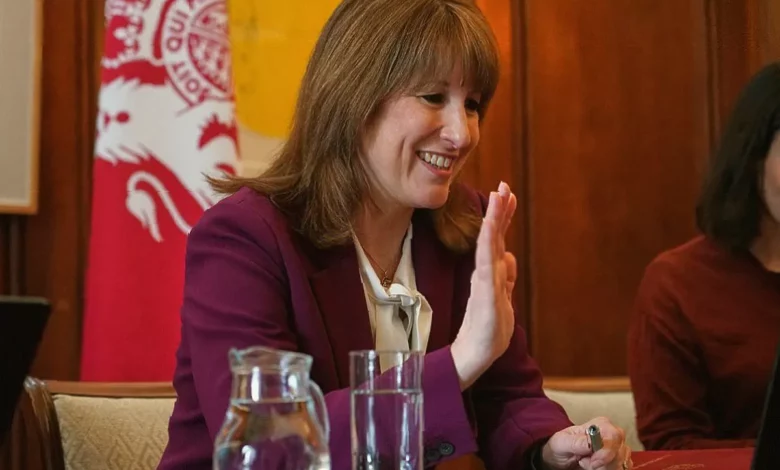
On business rates, a perennial burden for pubs, Mr Lawson was dismissive of recent government relief, arguing it paled in comparison to the broader financial storm. Following a campaign by publicans and MPs, Chancellor Rachel Reeves announced a U-turn, promising a support package that includes a 15% business rates discount for pubs in England next year, with the amount frozen for two years after—a measure worth about £1,500 per pub annually.
For Butcombe Group, the Chancellor’s revisions delivered a saving of £150,000. “They have made a big deal out of what in context is a small amount of money for our business,” Mr Lawson stated. He expressed frustration that expectations for fundamental reform of the business rates system for hospitality and retail have yet to be met, perpetuating uncertainty.
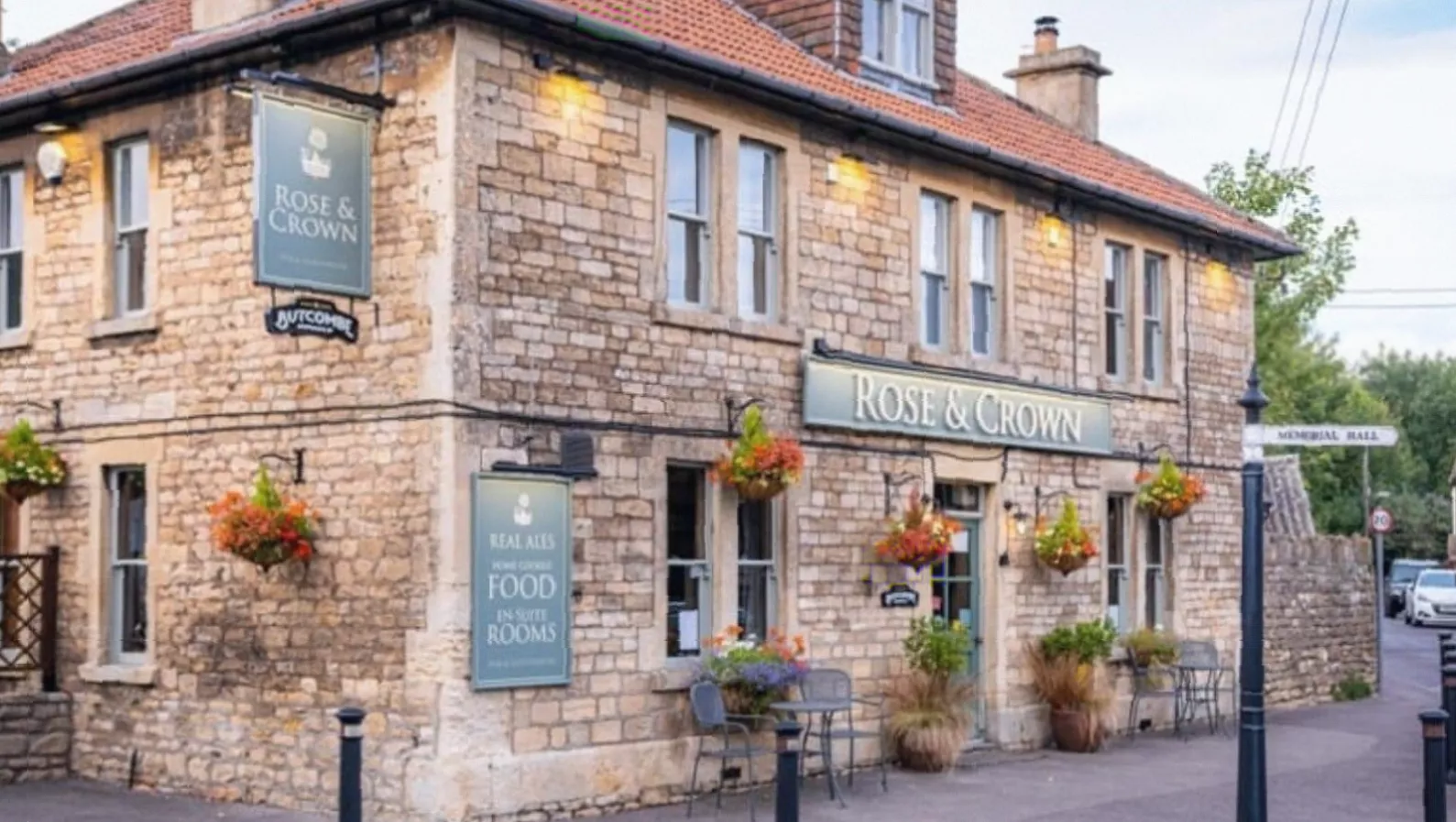
His scepticism is echoed by wider industry analysis. UKHospitality estimates that the end of COVID-era reliefs and recent property revaluations could still see the average pub’s business rates bill increase by £12,900 over three years. Some reports suggested that without transitional relief, pubs could have faced hikes of up to 66%. While pubs have won targeted support, hotels have expressed concern about being excluded from similar measures. Some sector leaders have accused the Treasury of using “smoke and mirrors,” masking steep underlying rate increases within a £4.3 billion three-year support package.
The government states it is working on longer-term reform, aiming to introduce permanently lower business rates multipliers for retail, hospitality, and leisure properties from the 2026-27 financial year. For now, Mr Lawson questions the official economic narrative, challenging the government’s positive interpretation of recent GDP figures showing 0.5% growth. “We are always optimistic. But I think the Government’s narrative at the moment that the latest GDP figures are showing signs that they are doing a good job, I would challenge that,” he said.
The broader context is one of a slowing economy, with businesses reluctant to invest and the hospitality sector warning of severe job losses—with predictions of up to 100,000 roles at risk due to tax increases. Mr Lawson’s final assessment is damning: he says businesses are left “living off scraps and crumbs” from poorly handled government announcements, yearning for the stability needed for long-term planning.