A landmark agreement to power the construction of the £10 billion Lower Thames Crossing with green hydrogen has been confirmed, positioning the tunnel project as a pioneer in carbon-neutral infrastructure development in Britain. The deal with hydrogen firm GeoPura represents the largest ever contracted volume of green hydrogen for a UK construction site.
The strategic move by National Highways’ Lower Thames Crossing project, which will link Thurrock and Gravesham with a new tunnel under the Thames, aims to eliminate diesel from its operations. It plans to achieve carbon neutrality through a mix of hydrogen, electric, and other low-carbon fuel sources.
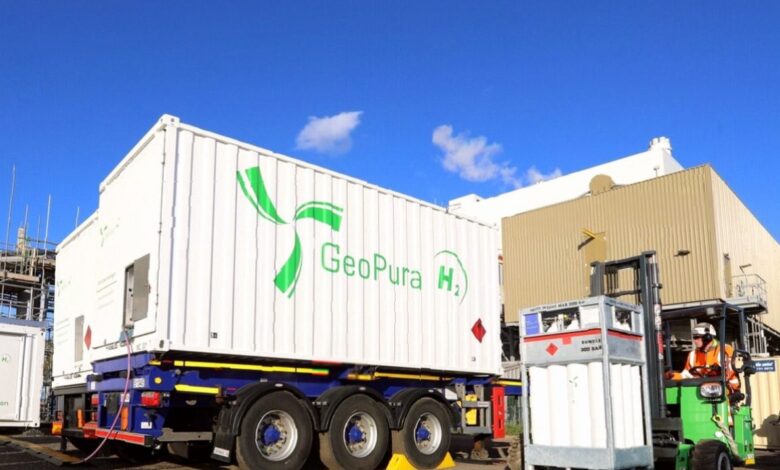
GeoPura is set to supply 2,500 tonnes of green hydrogen over the project’s lifespan, a quantity the company states will displace over 12 million litres of diesel and prevent an estimated 30,000 tonnes of carbon dioxide emissions. Six of the firm’s Hydrogen Power Units (HPUs) are already deployed on a work site in Essex, where they charge the batteries for electric construction machinery.
British Manufacturing and Supply Chain
The hydrogen generators at the heart of this initiative are manufactured in Newcastle through an industrial partnership between GeoPura and Siemens Energy, a collaboration that began in 2022. This domestic production is highlighted as a key benefit of the contract, reinforcing the UK’s hydrogen supply chain.
“We’re extremely proud to be supplying the largest volume of green hydrogen ever contracted for a British construction project and I congratulate the Lower Thames Crossing for setting a powerful example of how major infrastructure can be delivered sustainably,” said GeoPura CEO Andrew Cunningham. He added that the deal strengthens British price efficiency and job creation within the emerging hydrogen industry.
GeoPura, which was founded in 2019 and now employs more than 170 people across the UK and Europe, produces its green hydrogen at several locations nationally.
Matt Palmer, the executive director for the Lower Thames Crossing, said the project had “given the green light to green hydrogen.” He stated, “By replacing diesel with home grown hydrogen, we’re not only reducing our own carbon footprint but also helping clean up the construction sector. National Highways is supporting new jobs and skills that will put British businesses and people at the forefront of the growing clean energy sector.”
The government endorsed the project’s approach, with Minister for Industry Chris McDonald saying, “GeoPura and the Lower Thames Crossing collaboration is proof that clean energy goes hand-in-hand with major British infrastructure projects.” He confirmed hydrogen’s role in the industrial strategy, noting that flagship hydrogen projects from Nottinghamshire to Kent would sustainably power developments across the country.