Net Zero could cost over £9trillion with critics accusing promoters of using imaginary figures

The true price tag of Britain’s Net Zero transition could exceed £9 trillion once all carbon-related costs are counted, according to a stark new analysis that accuses official bodies of using “fantasy assumptions” about the scale of spending required.
An explosive briefing paper from the free-market Institute of Economic Affairs, authored by energy analyst David Turver, argues that gross expenditure may surpass £7.6 trillion, soaring beyond £9 trillion when wider impacts are included. This figure, the IEA states, dwarfs recent official projections and suggests the nation has embarked on “one of the most expensive economic transformations in its history without adequate accounting or scrutiny”.
A Gulf in Estimates
This eye-watering assessment stands in direct opposition to the latest guidance from the government’s independent climate advisor. The Climate Change Committee revised its estimate down significantly, now projecting the net cost of Net Zero at £108 billion between 2025 and 2050, a sharp reduction from earlier forecasts exceeding £1 trillion.
The IEA contends this dramatic reduction is not due to genuine savings but to methodological changes and what it calls “wildly optimistic assumptions and creative accounting”. Andy Mayer, an energy analyst at the Institute, said the paper “cuts through the fog surrounding net zero costs”, which he argued had “obscured serious economic scrutiny”.
The CCC, however, has presented a different vision. In its seventh carbon budget advice, it suggested a net zero future could lead to household savings of up to £1,400 per year by 2050, with the net cost of transition estimated at just over £4 billion annually, or less than 0.2% of UK GDP. It maintains the 2050 target remains achievable and affordable.
Project Realities vs. Official Forecasts
The IEA’s critique is rooted in what it highlights as glaring discrepancies between official cost forecasts and the reality of recent major projects. It points to offshore wind, where the CCC estimates capacity costs of £1,500 per kilowatt for projects due in 2030.
In contrast, the colossal Hornsea 3 development, expected online in 2028, has a projected cost of around £11 billion for 2.9GW of capacity. This equates to approximately £3,682 per kilowatt—more than double the official projection.
A similar gap exists in solar power. The IEA paper cites recent projects at Stokeford in Dorset and at Alfreton costing £952 and £995 per kilowatt respectively. The CCC’s 2025 projection, however, sits at just £564 per kilowatt. The Stokeford Solar Park, operational near Bournemouth, was granted planning permission in 2021 and sold to investment firm Schroders Greencoat in late 2024.
The analysis also questions financial assumptions, noting that projected capital costs for solar and onshore wind sit below current 30-year government gilt yields of around 5.3%.
Political Storm Over Costs and Credibility
The report has ignited fierce political criticism, particularly targeting the Labour government’s energy strategy. William Clouston, leader of the Social Democratic Party, told GB News that Ed Miliband’s latest offshore wind auction “could add up to £1.8 billion a year to bills for two decades”.
“This Government is characterised by its dishonesty and inconsistency,” he said. “His delusions, sought in the interest of self‑righteousness, have come at the expense of our prosperity.” He argued the structure of new offshore wind contracts, index-linked to inflation and priced above current wholesale costs, risked enriching “giant corporations at the expense of hard‑working British people”.
Clouston also challenged the credibility of the Net Zero timetable, noting that average bills had risen by £200 despite a pledge to cut them by £300. “Renewables simply don’t have the power at present to be anything other than supplementary. The current timetable for Net Zero is deeply naïve,” he said.
Richard Tice, deputy leader of Reform UK, said the IEA report “exposes the myths and lies we have been told by various public bodies”, warning the total expense would amount to “many trillions of pounds” and harm industry through higher pricing.
Grid Constraints and Energy Security Fears
Critics argue the push for renewables is running ahead of the infrastructure needed to support it, creating costly inefficiencies. Clouston pointed to significant grid constraints, stating: “The wrong type of generation capacity in the wrong place is now a huge problem. We have substantial renewable facilities lying idle in the north of Scotland because the grid can’t absorb what they intermittently produce.”
This congestion has tangible costs. In 2025 alone, the UK reportedly paid £1.5 billion to turn off wind farms and turn up gas stations to balance the grid. The nation’s ageing energy network is struggling with the intermittent nature of renewables, with a reported backlog of over 600 renewable projects facing connection delays of up to a decade.
Clouston warned that Labour had “throttled oil and gas before building a reliable alternative supply—such as a new nuclear fleet,” leading to “an unbalanced and costly energy regime in the UK without materially impacting global warming.” His party advocates for a short- to medium-term expansion of gas and coal generation before moving to what he termed “a national nuclear renaissance”.
This view touches on a broader debate about fossil fuels in the transition. Analysis from the Tony Blair Institute suggests that even in ambitious net-zero scenarios, oil and gas will be required until 2050 and beyond, even as the UK’s own reliance on North Sea production has waned since its peak in 1999.
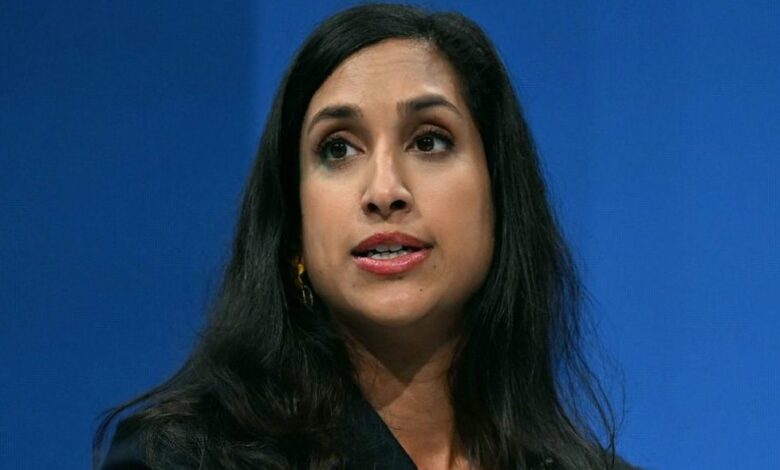
The political controversy extends to transparency. Claire Coutinho, the Shadow Energy Secretary and former Energy Secretary, said she had struggled to obtain precise costings for wind and solar projects while in office, adding: “It beggars belief that none of our ‘independent’ energy bodies can publish an accurate figure for what Net Zero is going to cost this country.”
As the IEA’s figures fuel a heated debate over affordability, the fundamental question remains whether the nation is facing a manageable investment in its future or, as critics allege, a multi-trillion-pound gamble built on undeliverable promises.