A South Shields-based training provider is taking its expertise overseas for the first time, launching a centre in India to upskill care workers and foster a two-way exchange of best practice between the two countries.
Training in Care, a Skills for Care endorsed Centre of Excellence with more than 27 years’ experience delivering vocational courses in South Tyneside and Sunderland, has signed a Memorandum of Understanding with the Guardian Angel Institute of Caregiving (GAIC) in Kerala. The move marks the company’s first facility outside the UK and is aimed squarely at the Indian market, where it intends to help professionalise a rapidly expanding care sector while simultaneously addressing long-standing problems in Britain’s own domestic care system.
Partnering with Guardian Angel Institute of Caregiving
GAIC, established in 2012 and described as Kerala’s first dedicated caregiving facility, supports 300 carers across the region and has provided care to thousands since its launch. The institute offers government-recognised courses including a six-month Diploma in Caregiving and intensive 15-day programmes, with hands-on training through paid internships and simulation labs. It has already trained more than 3,500 students to meet global healthcare standards. Its parent organisation, Guardian Angel Homecare, is a pioneer in professional homecare services in the state. The institute is based in Ernakulam.
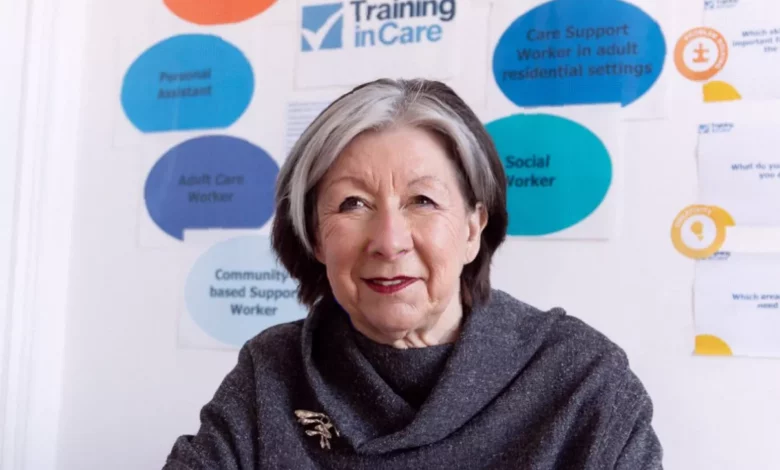
Through the partnership, Training in Care aims to upskill workers from across India’s care sector, raising the quality of life for care recipients in India while at the same time learning from Indian practices that could benefit the UK. Dr Angela Brown, founder and CEO of Training in Care, said: “Over the past 27 years, we’ve helped thousands of people gain the skills required to enter or progress their career in the care sector, so we’ve seen first-hand the challenges and opportunities facing the industry.
“For example, while we have made real in-roads in the UK to ensure our carers have the required social care skills to enter the industry, for too long we have overlooked the need for basic healthcare skills, which is something that is seen as essential for anyone working in the industry in India. At the same time, their care sector hasn’t adopted the same quality of care standards which we have.”
Dr Brown, who holds a Doctorate in Workforce Development in Children and Adult Care and has previously advised the UK Government on social care issues as well as helping five EU nations develop their own social care plans, said the exchange would benefit both sides. “This is why initiatives like this are so important, as it will allow peers in both countries to share best practice and knowledge and ensure that the tens of millions of people receiving care in both countries receive the best possible care and support,” she added.
The Indian care sector faces its own set of challenges against a backdrop of rapid demographic change. Kerala has a particularly high proportion of residents aged 60 and above, and while the family remains the primary source of elderly care, studies have highlighted significant caregiver burden and psychological distress among family carers. Formal care standards are set by the National Accreditation Board for Hospitals & Healthcare Providers, though accreditation remains voluntary. The Indian government has pledged to train 1.5 lakh “multiskilled caregivers” annually and, through the National Skill Development Corporation, is focused on international mobility for care professionals. Nonetheless, socioeconomic disparities, regional access differences and a rise in non-communicable diseases continue to put pressure on the system, and a significant proportion of caregivers receive only limited formal training.
Announcing the partnership, Dr Usher Titus, chair of Kerala’s Additional Skill Acquisition Programme – an initiative led by the state’s Higher Education Department – called it “the beginning of a global pathway for a career in caregiving”. He said: “On one side, we have an institution rooted deeply in care and clinical excellence – Guardian Angel Institute of Caregiving – shaping compassionate, skilled professionals here in India. And on the other hand, we have a globally respected name – Training in Care – with decades of expertise and internationally recognised standards.
“They bring a system that ensures that caregiving is not just practiced, but it is perfected. And I can undoubtedly say that individually, they represent excellence. And together, they are going to represent something far greater – a bridge, a pathway, an opportunity for the aspiring caregivers to step beyond borders, to learn, to grow.”
University of Sunderland Knowledge Transfer Partnership
To support its international expansion, Training in Care has also entered into a two-year Knowledge Transfer Partnership (KTP) with the University of Sunderland, valued at £200,000. KTPs are a UK-wide programme that connects companies with academic expertise to drive business innovation. The university itself has a significant KTP portfolio, recently valued at £1.1 million.
Dr Derek Watson, associate professor in cultural management at the university and the academic lead on the project, said the relationship with Training in Care had been “actively nurtured over several years”. This is the company’s first KTP. The project will focus on strategic growth in terms of profit, innovation, and global market expansion, with a particular emphasis on integrating healthcare within social care and improving standards across both the UK and Indian markets.
Dr Watson, whose own international portfolio includes work with the British Cabinet Office and the Indian Government Council of Scientific and Industrial Research, said the partnership would also provide a reciprocal benefit for students. “It will continue to provide a reciprocal gateway to enrich our student commercial insights as they observe Training in Care’s growth,” he explained.
Training in Care has a track record of helping more than 3,000 people secure roles in the care sector, but the UK industry itself continues to struggle with systemic problems: persistent staff shortages, low pay, skills gaps, fragmented funding and a lack of public understanding. Mandatory training for care workers in England includes the Care Certificate’s 16 foundational standards, yet Dr Brown has pointed out that basic healthcare skills have been neglected. By sharing knowledge with India – where such skills are considered essential – and exporting its own quality standards, the company hopes to raise the bar on both sides. “We can’t wait to get started,” she said.