Britain’s largest banks are gathering this week to accelerate plans for a sovereign payments network, a direct response to escalating geopolitical tensions that have laid bare the UK’s critical vulnerability to US-controlled financial infrastructure. The meeting, chaired by Barclays UK chief executive Vim Maru, will involve senior figures from Lloyds Banking Group, Nationwide, NatWest, Santander UK, and the industry body UK Finance, which represents other voices including American Express.
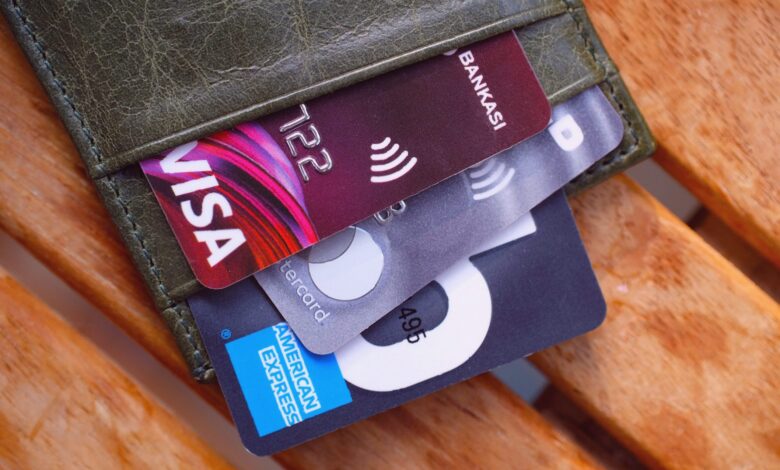
The urgent drive stems from a stark reality: approximately 95 per cent of all card transactions in the UK are processed by the American giants Mastercard and Visa, according to a 2025 report by the UK Payment Systems Regulator. This overwhelming dominance means the nation’s economic plumbing is almost entirely in foreign hands, a risk that has moved from theoretical to acute. One executive involved in the project told the Guardian that if those networks were ever switched off, it would “send the UK back to the 1950s”.
That chilling scenario has been brought into sharp focus by the recent deterioration in transatlantic relations, specifically former President Donald Trump’s threats over Greenland and the imposition of related tariffs. This geopolitical friction has acted as a catalyst, accelerating long-discussed plans to build an alternative “payment rail”. The precedent is clear: when the US imposed sanctions on Russia, where businesses relied on Visa and Mastercard for 60 per cent of payments, ordinary citizens were left without access to funds and unable to buy essential goods.
Officially dubbed “DeliveryCo”, the initiative will be funded by the City but enjoys full government backing. The Bank of England will be intimately involved in developing the necessary infrastructure, aligning with the Treasury’s own vision for a new generation of retail payments showcased last year. The strategy is part of the wider UK National Payments Vision, which aims to create a trusted, world-leading ecosystem supporting digital money and account-to-account payments, as outlined by the Payments Vision Delivery Committee comprising HM Treasury, the Bank of England, the Financial Conduct Authority, and the Payment Systems Regulator.
Bank of England deputy governor Sarah Breeden has framed the move as a crucial step for operational resilience, stating that amid a challenging cyber risk environment, a domestic system “could provide a degree of extra resilience in the UK payments landscape, as an additional payment rail on the rare occasion of operational disruption to existing rails.” Former Nationwide chief executive Joe Garner has similarly emphasised the fundamental need for a domestic payments capability, irrespective of political developments.
Notably, Mastercard and Visa are not being sidelined. Both US networks are reportedly taking a stake in the project and remain committed to their UK operations and to competition within the market. Some familiar with the plans have suggested to The Independent that the project may focus more on upgrading and fortifying existing networks to mitigate service errors, rather than constructing an entirely new system from scratch as a direct response to a potential US “killswitch”.
The push for payments independence is a pan-European theme. As reported by the FT, the chief executive of the European Payments Initiative, Martina Weimert, has declared that “independence is so crucial,” calling for “urgent” action to develop cross-border solutions like the EPI’s “Wero” platform. This mirrors the response of other nations; Russia, following earlier sanctions, developed its own domestic Mir network, which now commands a significant share of its payments market.
The expectation is for the UK’s new system to be operational by 2030. While catalyzed by specific political concerns, the project is ultimately characterised by its backers as a foundational investment in national economic security, designed to ensure the continuity of everyday financial life in the face of any future disruption, whether geopolitical, cyber, or operational.