For his birthday, his wife gave him a monthly beer subscription. It seemed a generous gift—until she told him, via a fabricated email, that the brewery had issued a recall due to contamination. Within moments, her husband’s face fell. “Actually, I feel a bit sick,” he said. There was no recall, no contamination. The sickness was conjured entirely by a few carefully chosen words. As Helen Pilcher, a science writer and author of This Book May Cause Side Effects, later explained, the prank was a crude demonstration of how easily negative expectations can cause genuine illness.
This phenomenon is known as the nocebo effect, the “evil twin” of the placebo effect. Where positive expectations produce positive health outcomes, the nocebo effect occurs when dismal expectations lead to negative health outcomes—creating, exacerbating, or prolonging symptoms not through disease but through the intimate relationship between mind and body. The term “nocebo” derives from the Latin for “I will harm,” a direct contrast to “placebo,” which means “I will please.” As Pilcher put it, sometimes all it takes to make someone feel genuinely unwell is a few carefully chosen words.
Peer-reviewed studies back this up. In one, patients recovering from minor keyhole surgery received a harmless saline infusion but were told it would temporarily increase their pain. It did exactly that. In another trial, 40 asthmatic adults inhaled water vapour from an inhaler they were told contained an irritant; 19 went on to feel wheezy, and 12 suffered a full-blown asthma attack. The nocebo effect also played a significant role in Covid-19 vaccine side effects. Combining data from 12 clinical trials involving more than 45,000 participants, scientists found that large numbers of people who received placebo shots reported adverse reactions. Researchers concluded that the nocebo effect accounted for roughly 76% of all common adverse reactions after the first dose and nearly 52% after the second. Symptoms such as headaches, fatigue and arm pain—often listed as vaccine side effects—were frequently reported by placebo recipients, indicating a strong nocebo component. Vaccine hesitancy has itself been identified as a predictor of negative side effects, suggesting that negative views surrounding a medical intervention can shape physical outcomes.
The Real-World Reach of Negative Expectations
The nocebo effect is not confined to laboratories or clinical trials. It operates in everyday medicine. A substantial proportion of patients who discontinue medication do so because of nocebo reactions, with studies showing rates of 4–26% in clinical trials. Even the way informed consent is presented can inadvertently cause harm: warning patients about side effects in a frightening way can lead them to experience those very symptoms. Reframing information—for instance, stating the percentage of people who remain side-effect-free—can reduce negative expectations.
People who believe they are gluten-sensitive may find they can eat regular bread without incident when blinded to their diet and covertly fed the offending ingredient. The nocebo effect is also believed to contribute to a significant proportion of “medically unexplained symptoms”—pain, fatigue and dizziness that cause genuine suffering yet have no discernible organic cause. As Pilcher noted, sufferers are often wrongly labelled as hypochondriacs, an outdated term that implies feigned or exaggerated suffering. The nocebo effect can also spread like a virus at the population level. During the pandemic, an outbreak of tics among young people propagated after they saw videos of tics on TikTok, a phenomenon dubbed “TikTok tics.” Researchers believe social media are now turbocharging the spread of nocebo-generated symptoms, with negative information and personal experiences shared online influencing expectations and amplifying side effects, especially among those who are anxious or stressed. There are concerns that such socially acquired nocebo effects can generalise across different treatments, not just the one observed.
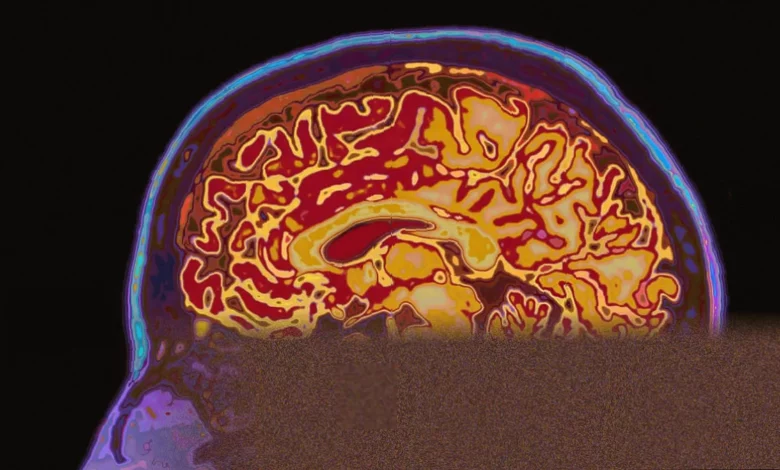
Examples of possible population-level nocebo effects include Havana syndrome, where American diplomats developed intense symptoms after believing they were struck by an unidentified covert weapon. Recent studies by the National Institutes of Health found severe symptoms but no evidence of MRI-detectable brain injury or biological abnormalities, leaving the nocebo effect as a leading hypothesis. Other research points to psychological factors that increase susceptibility: anxiety, depression, pessimism and certain personality traits. Women appear to experience an outsized effect of the nocebo phenomenon. Perceived discrimination in healthcare has been linked to a “nocebo gap,” where patients from minority ethnic groups are more likely to experience medication side effects and have lower adherence.
How the Mind Changes the Body: The Science
The nocebo effect is not merely a matter of imagination. A growing body of research shows that thoughts and neural activity can precipitate physical change. The work of Harvard’s Ellen Langer demonstrated that when people with diabetes sat in front of a clock running at double, regular or half speed, their blood glucose levels rose and fell with the perceived passing of time, not the actual time. At Stanford, Alia Crum found that when participants drank identical milkshakes labelled either “high-calorie” or “diet,” levels of the “hunger hormone” ghrelin dropped three times faster after consuming the drink they believed would make them fuller faster.
Animal studies have traced the chain of events linking brain activity to dramatic bodily effects. Asya Rolls at the Technion-Israel Institute of Technology and colleagues showed that activating specific brain areas in mice triggered changes to the immune system, which could speed recovery from heart attacks or slow the growth of cancer. Writing in Nature Communications, they stated: “These findings introduce a physiological mechanism whereby the patient’s psychological state can impact anti-tumour immunity and cancer progression.” Rolls’ work, Pilcher emphasised, does not suggest that negative thinking worsens cancer or positive thinking cures it, but it does demonstrate a link between neural activity and disease that warrants further exploration.
This research challenges the longstanding dogma of Cartesian dualism—the idea proposed by the French philosopher René Descartes 400 years ago that mind and body are separate, non-interacting entities. That philosophy paved the way for scientific study of the body but also led to a reductionist medical model that defaults to the premise that physical symptoms must have physical roots. The work of Rolls, Langer, Crum and others hints at deeper layers of complexity, revealing that the nocebo effect—underestimated and overlooked—is a key part of understanding how we become ill.