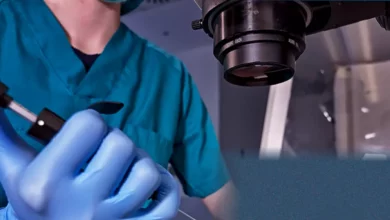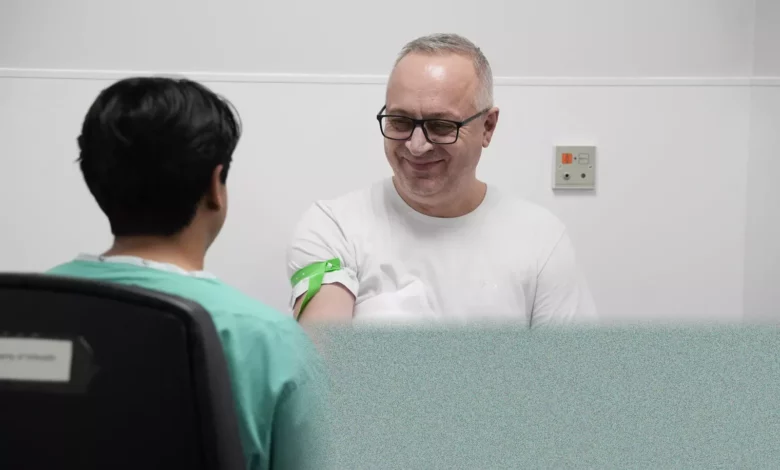
The first participants have undergone tests in a landmark UK trial that could determine the future of prostate cancer screening for men across the country. The Transform trial, described as the most ambitious research programme in a generation, has begun assessing a combination of new methods to detect the disease safely and accurately.
Trial Commences Amid Pending National Guidance
The launch of the Transform trial comes at a pivotal moment, as the UK National Screening Committee (UKNSC) is set to publish its final guidance on prostate cancer screening later this week. The committee, which advises the government, last year issued a draft recommendation against a population-wide screening programme using the existing prostate specific antigen (PSA) blood test, concluding it “is likely to cause more harm than good.” Its primary draft recommendation was for targeted screening only of men with confirmed BRCA1 and BRCA2 genetic mutations, every two years between ages 45 and 61.
Health Secretary Wes Streeting has expressed surprise at the UKNSC’s draft stance but stated any final decision must be “based on science and evidence, not on politics.” He has previously indicated a desire for a national screening programme for high-risk men. The UKNSC has agreed to review any new evidence generated by the Transform trial, which could yield results and inform changes within two years.
Funded by a £42 million programme led by Prostate Cancer UK, with a £16 million commitment from the National Institute for Health and Care Research (NIHR), the trial aims to recruit men via their GP practices. It will involve up to 300,000 men over its 15-year duration, initially comparing new screening options against current NHS methods in a group of 16,000. Men aged 50-74 are being invited, with the age range lowered to 45-74 for higher-risk groups.
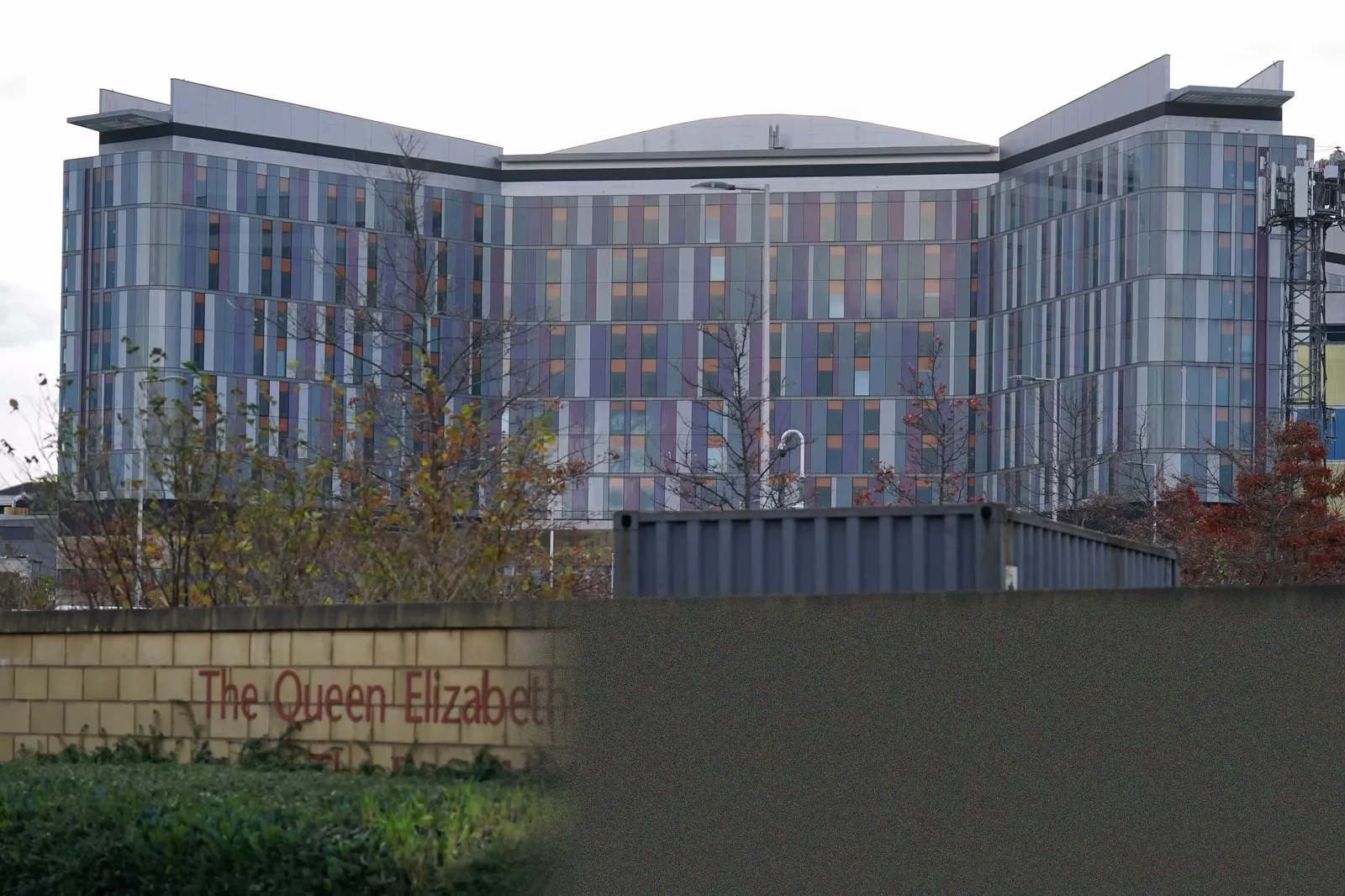
Among the first participants is Jaroslaw Galik, 55, from London, who underwent a combination of PSA tests, fast MRI scans, and genetic spit tests at an InHealth diagnostic centre in Ealing. “When the letter about Transform came through, I realised this was a straightforward way to check my own risk while also contributing to something bigger,” he said. “If taking part helps move us closer to having a proper screening programme in the future… that would make such a difference.”
The Search for a Better Test
The core driver for this extensive trial is the widely acknowledged limitation of the current PSA test. Many experts argue it is not reliable enough for mass screening because a high PSA level does not definitively indicate cancer, while some men with cancer present with normal PSA results. This inaccuracy is a critical problem: a positive result can lead to invasive biopsies and unnecessary treatment for slow-growing or harmless tumours, leaving men at risk of significant side-effects such as incontinence and erectile dysfunction.
Conversely, the lack of a reliable test means men with aggressive cancers may be missed. Prostate cancer is the most common cancer in the UK without a screening programme, with over 52,000 new cases and around 12,000 deaths annually. One in eight men will be diagnosed in their lifetime.

The Transform trial is therefore testing promising new techniques, often in combination, to find a safer, more accurate, and cost-effective solution. These include fast MRI scans, which research has shown have a 93% chance of detecting clinically relevant cancer compared to a biopsy’s 43% rate. Also under assessment are genetic saliva tests for polygenic risk scores (PRS), which could identify men at higher risk of aggressive disease and spare those at low risk from unnecessary procedures.
Laura Kerby, chief executive of Prostate Cancer UK, said: “We know that a safe and effective mass screening programme could save thousands of men’s lives and it starts with these men walking through the door today and trialling these tests.”
Addressing Inequality and Potential Impact
A significant focus of the Transform trial is addressing stark health inequalities. Black men are at double the risk of developing and dying from prostate cancer, with one in four affected compared to one in eight for the general male population. Despite this, the UKNSC’s draft guidance did not recommend specific screening for Black men due to a current lack of data, nor did it recommend it for men with a family history of the disease.
The Transform trial aims to ensure at least one in ten participants are Black men and is working with community leaders to achieve this. Professor Lucy Chappell, chief scientific adviser at the Department of Health and CEO of the NIHR, stated the trial is committed to “meaningful participation in research among everyone in our society.”
The trial’s potential impact extends beyond the UK. Researchers hope it will build a future where prostate cancer is found early and consistently, saving thousands of lives domestically and tens of thousands globally. Professor Hashim Ahmed, the trial’s Chief Investigator, leads a team from six UK research institutions.
With the UKNSC’s final guidance imminent and a 12-week public consultation to follow, the evidence generated by Transform is poised to become central to a long-standing and urgent national debate. As Health Secretary Wes Streeting noted of the trial, “The evidence it generates will be crucial in shaping how we screen for this disease for decades to come.”