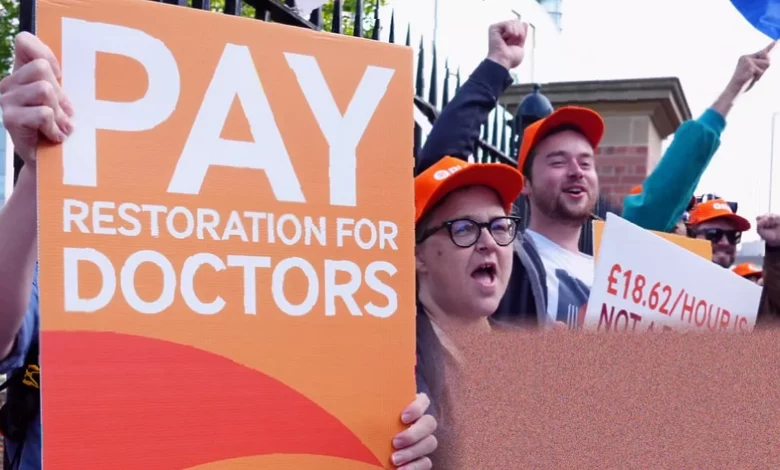
The industrial action by resident doctors, now stretching into its fourth year with a six-day walkout this April, has laid bare a deepening rift within the medical profession itself over the merits of continuing the fight.
Consultant physician Dr Helen Holt wrote of her initial reluctant support for strikes, driven by a government that “wasn’t listening” and a desire to back junior colleagues. However, she now observes that resident doctors are themselves “divided and conflicted”, with many anxious about patient welfare, exhausted from covering unfamiliar work, and uncomfortable with the financial strain on the NHS from costly overtime payments.
This internal division is starkly illustrated by Dr Peter Davis, a BMA member in Bristol, who states he “can’t support the latest strike.” He argues the union’s central demand for pay restoration to 2008 levels is flawed, as working conditions then involved long hours that have since been reformed. He claims many resident doctors now work less than 40 hours a week, aided by an annual bonus, and reports that in his area, none have been striking and all educational sessions have been attended.
The Core of the Conflict
At the heart of the dispute is a fundamental disagreement over pay and value. The British Medical Association (BMA) insists its demand is for “full pay restoration” to counter a 26% real-terms pay cut since 2008. This claim is based on years of below-inflation increases, which they argue has devalued the profession.
The government, led by Health Secretary Wes Streeting, counters that the demand is “impossible”. Officials point to a 28.9% pay rise for resident doctors over the last three years, including a 22.3% increase in the first two years of the current administration. The latest offer on the table, rejected by the BMA’s committee, includes an average 4.9% pay rise this year, rising to 7.1% for some of the lowest-paid doctors, alongside promises of enhanced career opportunities.
This deadlock persists despite overwhelming ballots for action; in February 2023, 98% of BMA members voting backed strikes. Yet, as Dr Davis’s letter suggests and more recent ballot turnouts of around 53% may indicate, sustaining that unanimity through years of disruption is a growing challenge. The human and operational toll is immense. Since strikes began in March 2023, the cost of paying consultants to cover has reached an estimated £3 billion, at a rate of around £50 million per day.
For patients, the impact is measured in delayed care. During intense strikes in 2023, NHS waiting lists surged by over 555,000 patients, with one four-day strike alone estimated to have cancelled 350,000 appointments. While a period of industrial calm after a July 2024 deal saw lists fall, new action threatens a return to spiralling delays. NHS Confederation chief executive Matthew Taylor has warned strikes pose risks to patient safety and dignity, though some emergency departments have reported functioning smoothly when specialists cover.
The Looming Threat of Replacement
As the stalemate continues, a longer-term structural shift within the NHS is being accelerated, one that some see as a veiled threat becoming reality. Dr Peter Davis warns that the caution from NHS England chief executive Jim Mackey about reducing reliance on resident doctors is “absolutely playing out”.
He points to Advanced Clinical Practitioners (ACPs) – highly trained professionals from nursing, pharmacy, or paramedic backgrounds – taking on more roles permanently. These practitioners, he suggests, could provide a “more consistent and better service for patients than resident doctors, who rotate through different posts every few months.” This shift presents a potential existential challenge to the traditional training model, framing the current dispute not just as a battle over pay, but over the future shape of the NHS workforce.