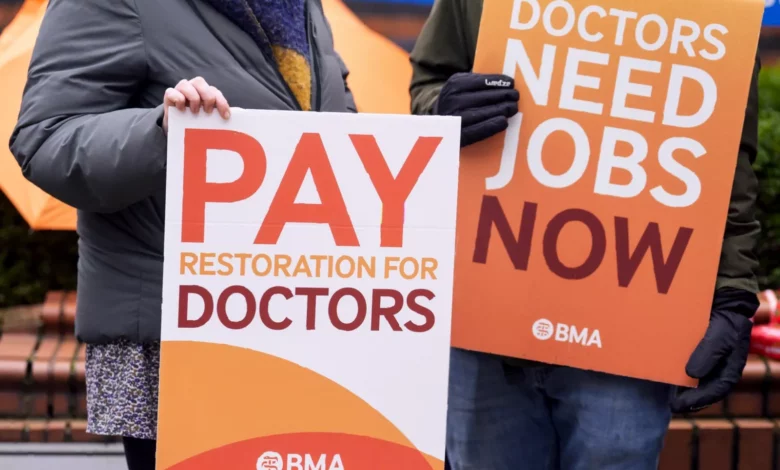
Sir Keir Starmer has accused resident doctors of acting “recklessly” and issued them with a 48-hour ultimatum to avert a major six-day strike, after union leaders walked away from what the government called a “landmark” pay deal.
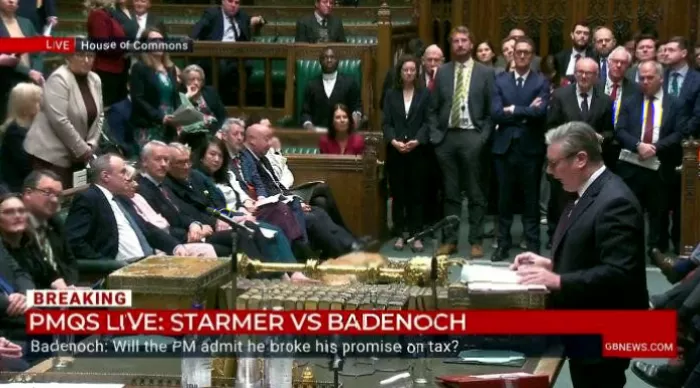
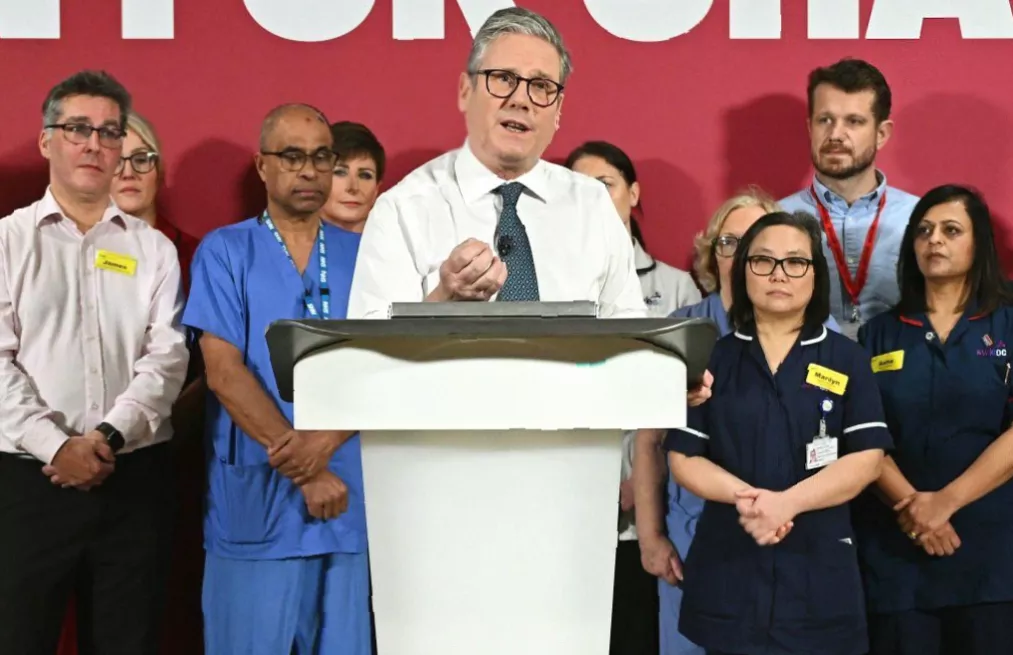
The Prime Minister, writing in The Times, warned that walking away from negotiations was “the wrong decision” and that no one would benefit from rejecting the offer. He stated that resident doctors, the NHS, and patients would all be worse off, highlighting that each round of strikes costs the health service an estimated £250 million to £300 million in cover.
An Ultimatum and a Threat
Sir Keir’s intervention raises the political stakes significantly. He has given the British Medical Association’s (BMA) Resident Doctors Committee until the beginning of next week to reconsider, threatening to withdraw the offer entirely. Furthermore, he has warned that the government’s pledge to create up to 4,500 additional specialty training posts—with 1,000 brought forward for this year’s applicants—is contingent on the strikes being called off.
The BMA announced the six-day walkout last week, with action set to begin at 7am on Tuesday 7 April, immediately after the Easter bank holiday weekend, and run until 6:59am on Monday 13 April. This marks the 15th round of industrial action by resident doctors since March 2023, with a total of 59 days already lost to strikes.
The Details of the Rejected Deal
The government has expressed “enormous disappointment” at the rejection of an offer it states was developed in partnership with the BMA over three months. Health Secretary Wes Streeting described it as a generous package worth approximately £700 million.
At its core was a multi-year proposal. For the 2026-27 year, it included a headline pay increase of 3.5%, in line with the recommendation of the independent Review Body on Doctors’ and Dentists’ Remuneration. However, due to reforms in pay progression, the government said this would translate into an average basic pay uplift of 4.9% for resident doctors. This would mean a new, full-time doctor in their first year after medical school would have a basic pay of £41,226—a rise of at least 6.2% to 7.1% for the lowest paid, and almost £12,000 higher than the starting wage in 2022/23.
For the most experienced resident doctors, basic pay would have risen to £77,348. The government argued that with additional earnings for overtime, weekends, and other allowances, some could theoretically earn more than £100,000 annually. Ministers also stress that resident doctors have already received a 28.9% pay rise over the last three years, and that the new deal would leave them 35.2% better off than four years ago.
Beyond pay, the offer included several other elements: reimbursement for expensive Royal College exam fees, which can be as high as £3,700 for specialities like ophthalmology; contractual reforms for locally employed doctors; and a new system for more frequent pay rises based on competencies. The centrepiece of non-pay benefits was the creation of thousands of new specialty training places to address severe bottlenecks in career progression.
Why the Deal Collapsed
The BMA’s Resident Doctors Committee rejected the offer without putting it to its wider membership for a vote, a decision criticised by the government and NHS leaders. The union said it had been “negotiating in good faith for weeks” but accused the government of “shifting the goalposts” on the pay element.
A fundamental disagreement lies in the timeline and sufficiency of the £700 million package. The BMA wanted the investment delivered within the 2026-27 financial year, while the government proposed spreading it over three years. The union maintains the offer is “insufficient” to address long-term pay erosion, arguing that resident doctors have seen their pay fall by approximately 20% in real terms since 2008. Their central demand remains a 26% pay restoration to 2008 levels.
NHS England’s chief executive, Jim Mackey, said negotiations felt “very, very, very close” to a deal and warned the dispute could now continue for the “foreseeable future.”
The Mounting Impact of Continued Strikes
The immediate consequence of the deadlock is the imminent six-day strike, which NHS leaders fear is intended to cause “maximum harm” to services following the holiday period. Glen Burley, NHS England’s financial reset and accountability director, stated the timing “feels like it’s trying to push maximum harm.”
The cumulative impact of industrial action is vast. Since the end of 2022, at least 1.7 million hospital appointments and procedures have been rescheduled due to strikes. The total financial cost to the NHS is estimated to be in the billions, with the five-day strike in July 2025 alone costing around £300 million.
Health Secretary Wes Streeting has accused the BMA of a “shocking disregard for patient safety,” labelling the strikes “self-indulgent, irresponsible and dangerous.” The government warns that emergency services will be prioritised, but thousands of planned appointments will inevitably be cancelled, adding to the existing backlog. Staff not striking may also have annual leave cancelled to maintain essential cover.
In a further twist, hundreds of workers at the BMA union itself are also on strike over their own pay dispute, with the GMB union claiming their pay has eroded by almost 17% since 2012, creating a surreal overlap of industrial action.