For millions of families across the UK, the struggle to afford the basics has escalated from a cost of living crisis into what campaigners now term a ‘cost of survival crisis’. This stark reframing, voiced by parents documenting their daily realities, captures a deepening emergency where essentials like food, energy, and transport are increasingly out of reach, transforming financial strain into a relentless fight for stability.
The Personal Struggle for Survival
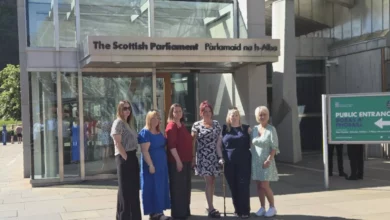
Ella Michalski, part of the Changing Realities coalition of over 200 low-income parents, describes a reality where cutting back has reached its limit. With two disabled daughters, her family’s reliance on a car is non-negotiable due to the profound difficulties of public transport, locking them into the volatile costs of fuel. Like many, they are trapped by circumstance; adapting work around a child’s complex needs is a nightmare, and the jobs available do not offer the flexibility required. This constant, gruelling effort to make ends meet has become normalised, but the anxiety is acute, especially with Bank of England research indicating companies plan further rapid price rises.
The emotional toll is compounded by a pervasive sense of insecurity. Recent surveys indicate that 33% of adults would be unable to afford an unexpected £850 expense, while nearly half of Britons have less than £25 in spare cash weekly. For families with children, the pressure is magnified. Research from the University of Glasgow highlights that children in poverty face significantly higher risks of poor mental wellbeing and ill health, a hidden cost of the survival crisis.
Policy Steps and Persistent Failures
Recent government actions have been presented as relief. The controversial two-child benefit cap, which limited support for larger families and disproportionately affected households with at least one working parent, was abolished in April 2026—a move projected to lift 450,000 children out of poverty by 2030. The National Living Wage also rose to £12.71 in April 2026, and a freeze on regulated rail fares in England until March 2027 aims to save passengers £600 million annually.
Yet these measures only skim the surface. The separate, overall Benefit Cap remains, potentially limiting gains for some. The rail fare freeze excludes unregulated tickets, and the National Living Wage still falls short of the independently calculated real Living Wage. Crucially, as the Changing Realities project argues, families on the lowest incomes face the highest effective inflation rates because their spending is concentrated on essentials like food, where prices were still rising by 4.9% as recently as July 2025.
The system designed as a safety net is itself a source of hardship. With the decade-long rollout of Universal Credit now complete, nearly one in two households with children receive it. Yet its punishing five-week wait for a first payment, a flaw extensively documented by the Resolution Foundation, continues to drive claimants into crisis and debt. Furthermore, the mechanism for emergency support is faltering. The old Household Support Fund ended in March 2026, replaced by a new £1 billion per year Crisis and Resilience Fund (CRF). While intended to build long-term resilience, parents report that access is hampered by bureaucracy and under-informed council workers who frequently do not know how to help applicants navigate the process.
Bureaucratic Hurdles and Missed Targets
The experience of seeking help from the CRF exemplifies a systemic failure. The fund’s increased structure and audit requirements, intended to prevent fraud, have in practice created barriers for those in urgent need. The reliance on local authority administration leads to a postcode lottery of knowledge and accessibility, where a family’s chance of receiving timely support can depend on the awareness of a single council employee. This bureaucratic maze occurs against a backdrop where 63% of adults have already cut back on essentials like food and heating.
This issue of poorly targeted support is systemic. Chancellor Rachel Reeves has promised to direct cost of living support to “those who need it most.” For families, this must mean ending the illogical flat-rate payments of the past, where a single person received the same amount as a family of four. The economic shocks that fuelled this crisis, from the pandemic and Brexit to the war in Ukraine—which spiked UK wholesale gas prices by 40%—have demanded a response proportionate to household size and need, which has consistently been absent.
The Path to Solutions
Organisations immersed in the crisis, from Changing Realities to the Resolution Foundation, point to clear, actionable reforms. Fixing Universal Credit is paramount: ending the five-week wait through measures like backdated claims and starter grants, and restoring trust in a system upon which 15 million people will soon rely. Support payments must be calculated based on family composition, not dispensed as a flat sum.
Ultimately, solving the cost of survival crisis requires acknowledging its specific impact on children and the working poor. It demands policies that bridge the silos identified by researchers at the University of Glasgow’s Centre for Public Policy, ensuring that transport, energy, social security, and health policies are designed in concert to support struggling families. As the Changing Realities project has argued directly to the Prime Minister, the goal must be to ensure tomorrow is better than today—a goal that remains distant for those making impossible choices between essentials every week.