Starmer condemns Reform’s proposal to fully reinstate two-child benefit limit as disgraceful

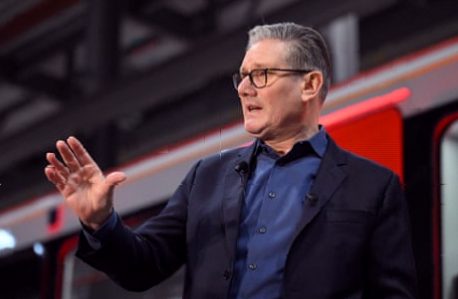
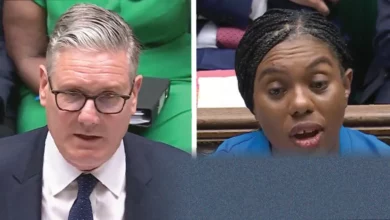
Keir Starmer has launched a blistering attack on Reform UK, branding the party’s commitment to fully reinstate the two-child benefit cap as “shameful” and an attempt to push hundreds of thousands of children into poverty. The Prime Minister, speaking to reporters in South Wales and in a social media post, said he was “incredibly proud” that his government had scrapped the “cruel” limit and warned that Reform’s vision would “plumb its children back into poverty”.
Reform’s Welfare Policy Shift
Reform UK’s Treasury spokesman, Robert Jenrick, used a press conference to confirm the policy reversal, stating that while the cap was initially “well-meaning”, the country “just cannot afford to do so with welfare”. He described the UK’s benefits system as an “economic and moral disaster” and vowed to “defuse the benefits bomb”. The two-child cap, introduced in 2017, limits child tax credit and universal credit for most households. Labour’s commitment to scrap it is estimated to cost around £3 billion annually by the end of the decade, with the Resolution Foundation suggesting abolition could lift half a million children out of poverty. Notably, in early February, Robert Jenrick and Suella Braverman had “accidentally” voted with Labour to scrap the limit, having entered the wrong lobby in parliament.
Starmer has positioned driving down child poverty as a central mission, though in July 2024 he cited economic stability as a reason he could not commit to immediately scrapping the cap. His government has since launched a strategy with scrapping the cap at its heart.
Government Reverses Course on Local Elections
Separately, the Prime Minister defended his government’s U-turn over a plan to postpone elections in 30 council areas in England, insisting the initial decision was “locally led” and that the reversal followed new legal advice. He stated that councils of all political stripes had asked for delays. This reversal came after a legal challenge from Reform UK, with leader Nigel Farage claiming victory. The government agreed to pay Reform UK’s legal costs, with officials indicating they were likely to lose the court case. At least one council leader has claimed she was encouraged by the government to ask for the delay.
Chagos Islands Sovereignty Row
The Conservative opposition, meanwhile, joined Nigel Farage in criticising the government’s stance on the Chagos Islands. Shadow foreign secretary Priti Patel accused the government of doing “Mauritius’s bidding” by threatening Chagossians with prison or fines for landing on the islands, calling it “shameful”. Her criticism relates to an agreement reached in May 2025 for the UK to transfer sovereignty of the archipelago to Mauritius, while retaining access to the Diego Garcia military base for at least 99 years. The deal includes provisions for Chagossian resettlement, but the UN Committee on the Elimination of Racial Discrimination has urged against ratification, citing risks of perpetuating historical rights violations. Patel has previously labelled the treaty a “shameful surrender” and a “massive strategic blunder”.
Turmoil Within Reform UK Ranks
Reform UK itself is facing internal strife. Seven councillors elected to represent the party on Kent County Council have defected to Restore Britain, a new hard-right party set up by expelled former Reform MP Rupert Lowe. Oliver Bradshaw, one of the defectors, said “Reform UK in Kent has forgotten who sent them there,” criticising the administration for spending £200k on political assistants and a “Department of Local Government Efficiency” (Dolge) that had failed to cut waste. Senior Reform councillors in Kent have admitted the Dolge initiative, inspired by Elon Musk, did not find the significant wasteful spending expected. Nigel Farage has said Lowe’s new party, which has garnered support from Musk, “wouldn’t last long”.
Jenrick’s Policy Q&A
During his press conference Q&A, Robert Jenrick addressed several other policy areas. On the Office for Budget Responsibility, he called it a “retirement home” for people from the Resolution Foundation and said it came “second from bottom” in accuracy among forecasters, pledging changes and “better people”. Regarding the state pension triple lock, he said he had always been a supporter and that Reform UK would “always protect pensioners”, with more details to come. On the Equality Act, he said the party would say more soon, claiming it produced “harmful” results and that “white working-class boys are now being discriminated against”. Asked about Nigel Farage’s proposal for the Bank of England to stop paying interest on quantitative easing deposits—a move Reform has claimed could save £40bn—Jenrick said the party would give it “careful consideration”.
Starmer Promotes Welsh Transport Investment
While in South Wales, Keir Starmer was promoting a major rail investment plan for Wales, including the opening of seven new stations. He called it a “historic day”, arguing that the plan gave “certainty to supply chains” and that “transport absolutely drives economic growth”. He said rail privatisation had not been a success and that taking rail companies into public ownership followed the Welsh example. Welsh First Minister Eluned Morgan emphasised the importance of stable government to deliver such long-term plans, noting that a South Wales metro was crucial for connecting workers to jobs. On buses, Morgan confirmed investment was as important as for rail, pledging a £2 fare cap and 100 new community-developed routes if Labour wins the May elections in Wales. Starmer also pointed to inflation figures released today as “good news for people”.
In other Reform UK policy positions, the party’s deputy leader Richard Tice has described Net Zero as “Net Stupid Zero”, with the party’s manifesto claiming that scrapping Net Zero and related subsidies could save over £30 billion per year.