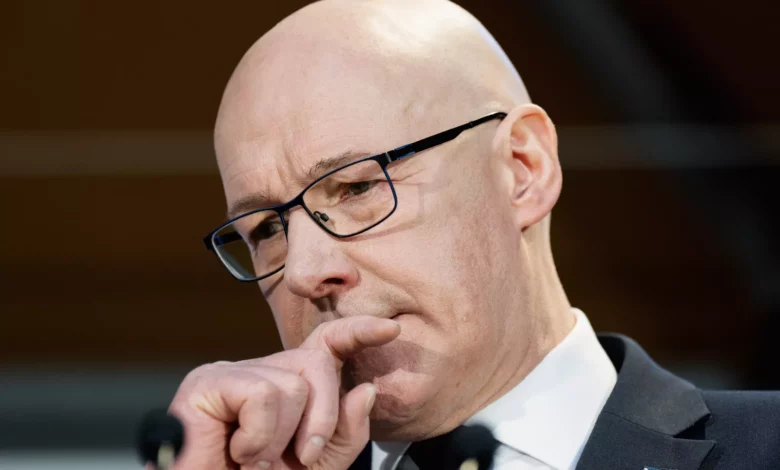
Scotland’s farmers are facing an immediate domestic food production crisis as escalating conflict in the Gulf sends the cost of key agricultural inputs soaring, industry leaders have warned. The National Farmers’ Union Scotland (NFU Scotland) says the disruption is “already hitting farm businesses across Scotland hard” and fears the situation is rapidly developing into a crisis that could shrink UK food output.
Farmers Sound Alarm Over Soaring Costs
Andrew Connon, President of NFU Scotland, stated bluntly that the issue is not a distant geopolitical concern but a direct and severe financial blow. “Farmers cannot absorb these unprecedented cost increases indefinitely,” he said. The union has warned that without urgent government intervention, a contraction in food production is inevitable, with serious consequences for consumers and the wider economy.
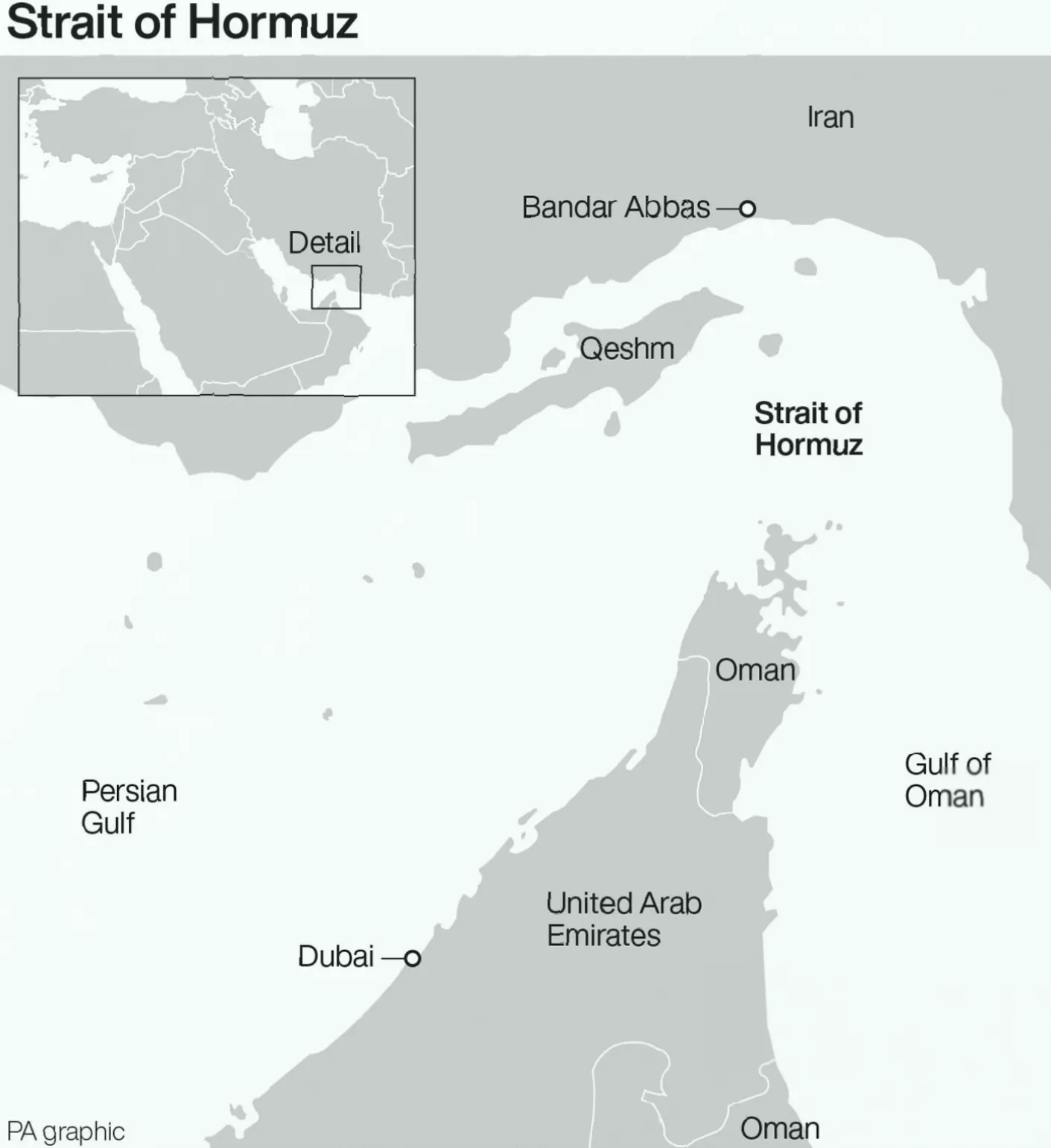
The crisis stems from the conflict’s stranglehold on a critical maritime artery, the Strait of Hormuz. Through this narrow passage travels about one-fifth of the world’s oil and a third of global seaborne fertiliser trade, particularly nitrogen-based products. The near-closure of the Strait has caused fuel prices to skyrocket, with RAC data showing petrol and diesel at their highest cost in three years.
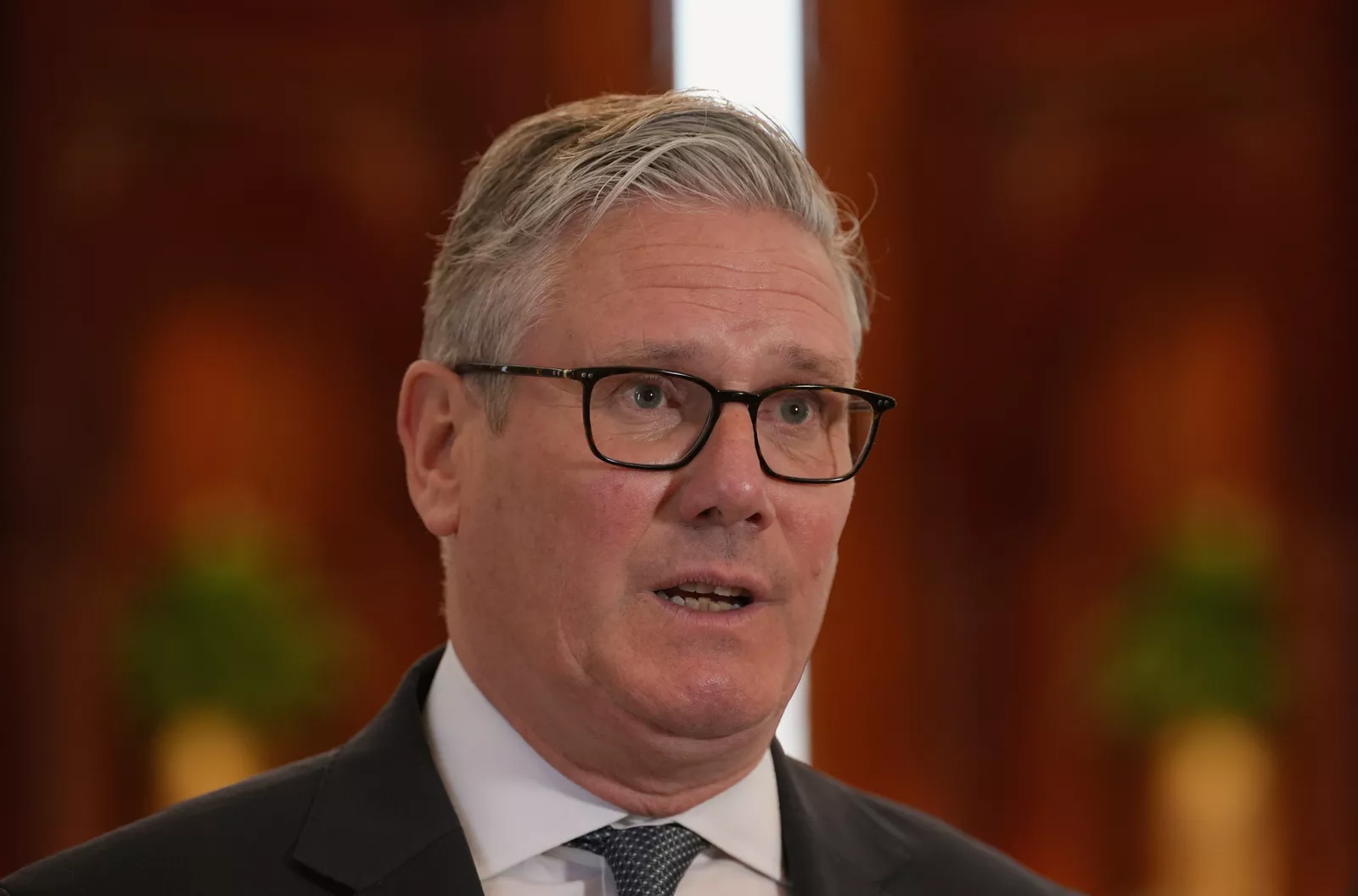
For Scottish agriculture, the fertiliser price shock is particularly acute. The UK relies heavily on imported fertilisers, and the price of urea, a key nitrogen fertiliser, has surged by 33.7% in the past month alone, and is up 54.9% compared to last year. Given that natural gas accounts for 60-80% of nitrogen fertiliser production costs, and the Middle East is a key production and shipping region, the conflict has triggered severe global market tightening.
“This is a real challenge and an issue for us very very quickly,” said Scottish First Minister John Swinney, echoing the NFU’s concerns. He noted that farmers are experiencing the issue through the cost of fuel and access to vital supplies like fertiliser, which is essential for securing Scotland’s food supply. The impacts cascade through the entire food chain: fertiliser can represent 30-40% of variable costs in arable production, affecting crop yields and feed prices, while higher fuel costs hit transport, logistics, and processing. The British Tomato Growers’ Association has warned of higher prices for tomatoes, peppers, and cucumbers within weeks due to glasshouse heating costs, and the Food and Drink Federation has increased its food inflation forecast, warning it could jump higher than 9% by year-end if the conflict continues.
Swinney Demands Seat at the Table
In response to the growing emergency, First Minister John Swinney has written to the Prime Minister demanding a radical increase in engagement from the UK Government. Swinney insists it is a “big mistake” that Holyrood ministers have been excluded from talks on the conflict’s UK impact and that the current level of involvement is “not satisfactory.”
He has requested that the Scottish Government be “actively involved at ministerial level” in discussions to ensure Scottish interests are represented. Swinney revealed that the Scottish Government was not invited to a recent UK Government COBRA meeting on the issue and is not proposed to be included in ongoing ministerial discussions. “I think there needs to be engaged ministerial discussion,” he stated, calling for dialogue to be “intensified” and for “engaged information sharing.” To date, he has had only one intergovernmental call on the situation.
Swinney’s demand touches on a recurring tension in intergovernmental relations, where foreign policy is a reserved matter for Westminster. The Scottish Government has previously expressed frustration about being excluded from international discussions. Swinney, who has called for a diplomatic solution to the violence, has also expressed deep concern about the escalation following US and Israeli strikes on Iran, stating that UK involvement creates further risks. The Scottish Government’s Resilience Room (SGoRR) has already met to discuss the conflict’s impact on energy, food, and fuel in Scotland.
UK Government Yet to Engage
Despite the urgent warnings from the agricultural sector and the formal request from the head of the devolved government, there appears to be little progress on involving Scotland in UK-level strategising. Swinney confirmed he wrote to the Prime Minister because he was “not satisfied with the existing discussions that are in place,” and said the concerns of farmers were a “vivid representation” of the real issues at stake for Scottish communities.
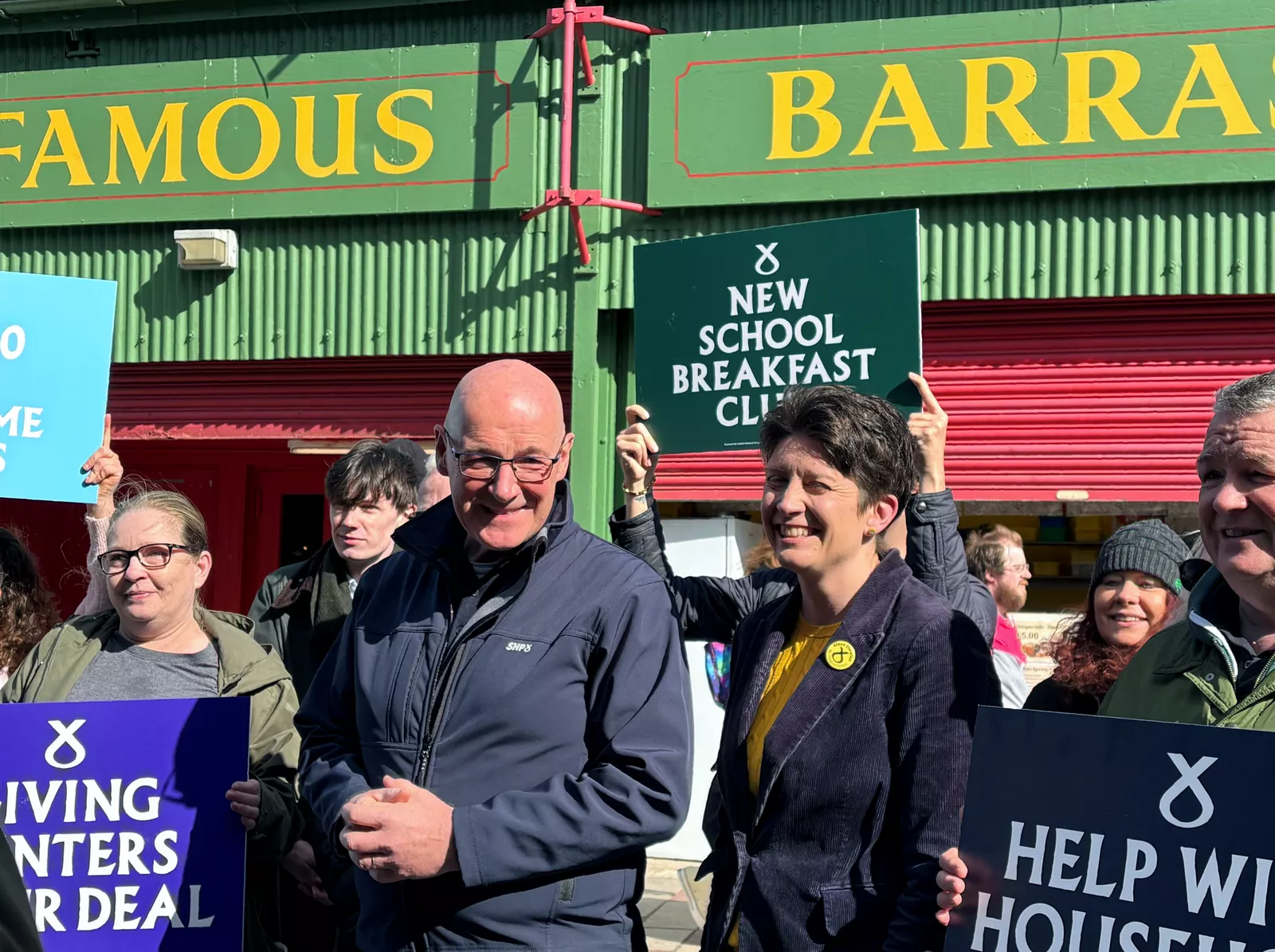
The broader economic context underscores the urgency. The Bank of England has warned that even a short-lived conflict could leave energy prices elevated for a sustained period, raising its inflation outlook for 2026. The UK’s Competition and Markets Authority is investigating concerns about price increases for heating oil. With the conflict leading to direct targeting of energy infrastructure and continued disruption in the Gulf, the shocks to global energy and agricultural markets show no sign of abating.
The First Minister said he hopes the Prime Minister will “respond positively” to his letter, but as of now, the UK Government’s approach to ministerial engagement with Edinburgh on the crisis remains unchanged.