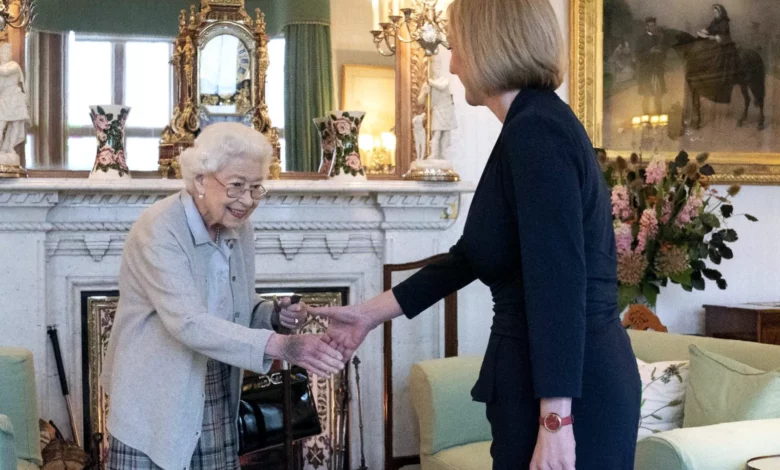
Just two days before the world learned of her passing, Queen Elizabeth II was photographed shaking hands with Liz Truss at Balmoral Castle, creating a final, poignant image of a monarch fulfilling her duty until the very end. The photograph, now shared by the former Prime Minister to mark what would have been the Queen’s 100th birthday, captures a historic breaking of tradition and a last act of service that has come to define the late sovereign’s unwavering commitment.
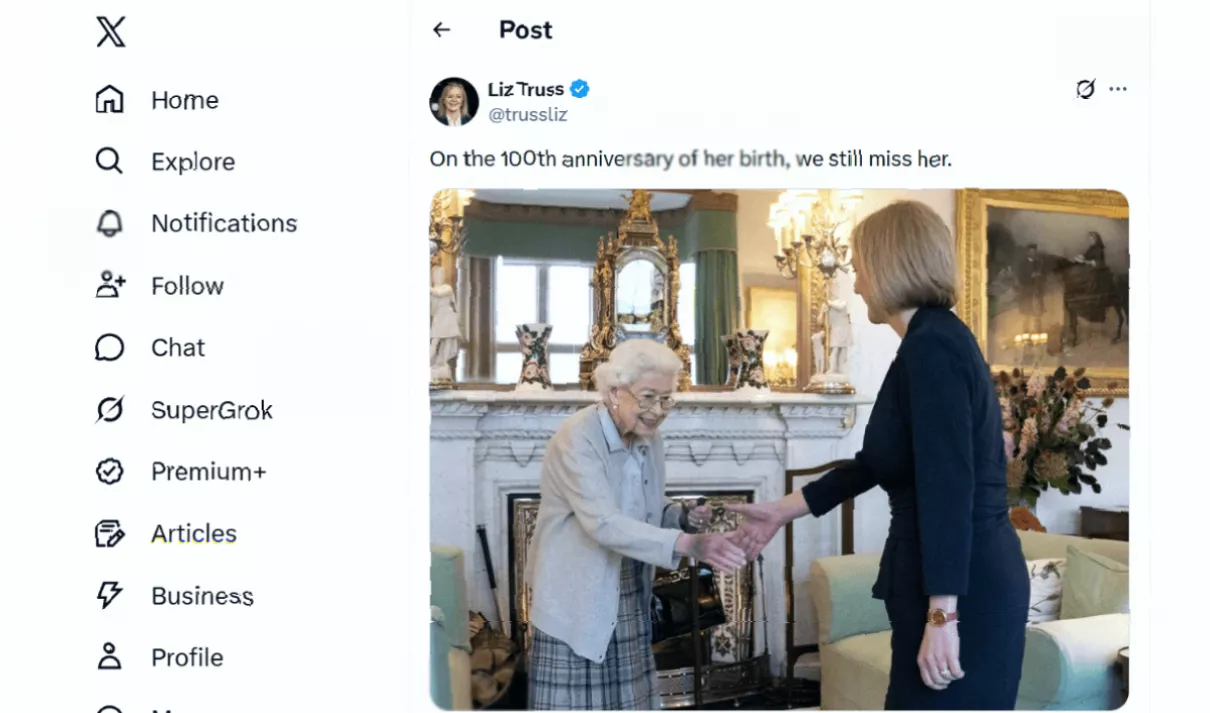
On the centenary of the Queen’s birth, Truss took to social media to pay tribute, writing: “On the 100th anniversary of her birth, we still miss her.” The post was accompanied by that now-iconic image from September 6, 2022, showing the newly appointed Prime Minister meeting her monarch for the first and only time. The meeting itself was a significant departure from centuries of precedent, as Buckingham Palace confirmed the audience was held at Balmoral, rather than Buckingham Palace, due to the Queen’s mobility issues.
The Queen’s Final Public Duty
The significance of that Balmoral meeting has only grown with time. It stands as Queen Elizabeth II’s final official public engagement before her death at the same castle on September 8, 2022. Her death certificate would later list the cause simply as “old age.” Despite her visible frailty, Truss said at the time that the Queen was “mentally alert” and “upbeat” during their conversation, even offering the reassuring words that they would “meet again soon.”
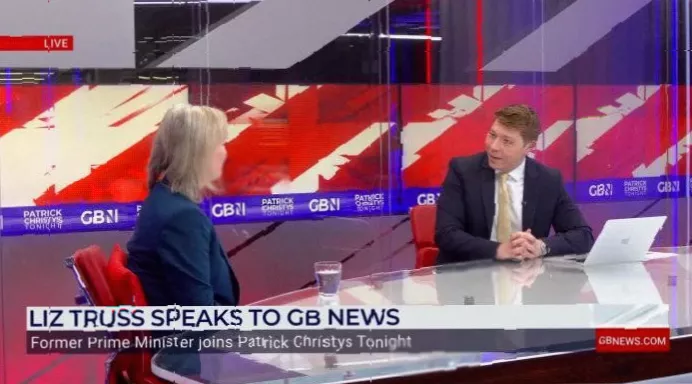
This act of constitutional duty, performed while in visibly declining health, has cemented the moment as a profound example of the Queen’s lifelong service. In appointing Truss, she undertook her 15th and final prime ministerial appointment, a record of continuity spanning from Winston Churchill. Truss, in her tribute following the monarch’s death, described her as the “rock on which modern Britain was built” and “the spirit of Britain.”
From Republican to Royal Tribute
The depth of that tribute carries a particular historical irony given Liz Truss’s own political journey. Decades before she stood as the Conservative Prime Minister before her Queen, a 19-year-old Truss was a prominent member of the Liberal Democrats. In 1994, she addressed the party’s conference in Brighton, arguing in support of a motion to abolish the monarchy and famously stating: “We do not believe people are born to rule.”
She has since renounced these republican views, joining the Conservative Party in 1996 and later describing her youthful stance as a “mistake.” During her 2022 leadership campaign, she joked that while others had “sex, drugs and rock ‘n’ roll,” her own rebellion was embodied by the Liberal Democrats. Her journey from monarchist critic to the figure leading the nation’s government during the official mourning period and managing the transition to King Charles III underscores a personal and political transformation.
That tenure, however, was destined to be historically brief. Appointed on September 6, Liz Truss’s time in office lasted just 49 days, ending on October 25, 2022, which secured her place as the shortest-serving Prime Minister in British history. Her premiership was thus entirely framed by the end of the second Elizabethan age: beginning with the last duty of a dying monarch and ending in the tumultuous early weeks of a new reign.