Cambridge University declines to suspend students who issued death threat to fellow student over Israel trip

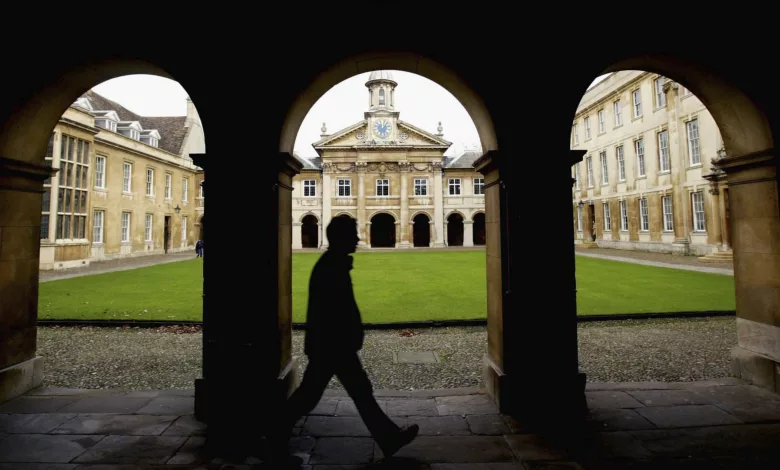
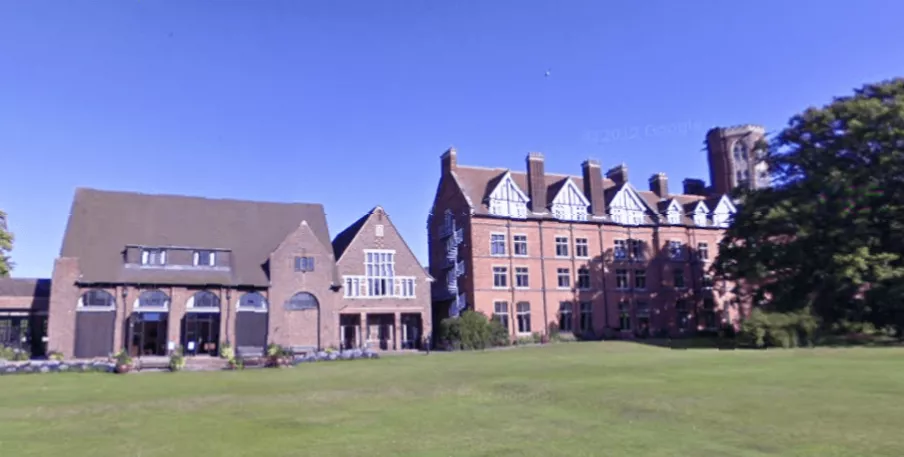
Cambridge University has faced mounting criticism after declining to suspend students who allegedly made death threats against a fellow undergraduate following his participation in a trip to Israel. Bradley Smart, a 21-year-old third-year student at Homerton College, claims that identifiable peers posted messages in a group chat including “I’m going to kill him” and “he needs to die” after he returned from the visit, which was organised by the Pinsker Centre think tank to meet Israelis and Palestinians and gain insight into the Gaza conflict.
The messages, according to Mr Smart, also contained slurs, degrading language and antisemitic material that drew comparisons between Israel and Nazi Germany. Mr Smart, who is not Jewish, told The Telegraph that he had expected Cambridge to be “a place where opinions could be refined through dialogue” but instead faced “a campaign of cancellation, including explicit death threats and being banned from a college club”. He reported the threats through the university’s official harassment procedures, but says the college advised him only to contact welfare services or consider relocating to different accommodation. Approximately one month after the incidents began, he vacated his Homerton accommodation altogether.
When Mr Smart approached the police about the matter, officers reportedly told him it constituted an “academic matter” and declined to pursue an investigation. The University’s own Rules of Behaviour prohibit “abusive behaviour”, including threats and conduct likely to cause harm or violate dignity, while its harassment policy defines harassment as unwanted conduct related to protected characteristics that creates an intimidating, hostile, degrading or offensive environment. The Cambridge student Code of Conduct states that harassment is “intolerable” and that “hate language has no place here”, adding that where a police investigation ought to be undertaken, the police will be contacted. Despite these policies, the institution has not suspended the alleged perpetrators.
University’s response condemned
Lord Walney, the former Government counter-extremism tsar whose role as an independent advisor on political violence and disruption concluded in February 2025, described the handling of the case as “wholly inadequate”. He said: “It is entirely unacceptable that students at one of our leading universities would threaten to kill one of their peers for visiting Israel. The college’s response is wholly inadequate, and sets a dangerous precedent that intimidation and threats of political violence will be tolerated. Cambridge must do better.”
Ben Freeman, executive director of the Pinsker Centre, warned that “Jewish students and their allies are in fear for their lives” and that “after recent attacks, this fear is all the more justified. Threats of violence cannot be normalised. We cannot allow intimidation to shut down dialogue.”
The Pinsker Centre, which describes itself as a non-partisan think tank focusing on global foreign policy and especially the Middle East, organises “Policy Trips” for Oxbridge students to Israel and the Palestinian Territories. The trips are offered free of charge apart from a fully refundable £199 deposit and involve meetings with Israeli and Palestinian politicians, lawmakers, entrepreneurs, military officials and civil society activists. The centre was formerly known as the Pinsker Centre for Zionist Education and was founded in 2016 by Elliot Miller with the aim of transforming how the case for Israel is promoted on campus. A previous delegation of 50 non-Jewish student leaders visited in summer 2023, and Mr Smart’s own delegation comprised 20 non-Jewish students involved in student politics, debate societies and national political networks.
Broader campus climate
Gabrielle Apfel, president of the Cambridge Israel Society, described the university as having become “a lion’s den with regard to Israel and Zionism” over the past two and a half years. She said the society has hosted progressive speakers, including former Labour MPs, yet still considers it necessary to keep event locations confidential. “Jewish and Israeli students feel like they have to keep their connections to Israel and their identities to themselves,” she said. “No student should feel unable to be themselves because of their background or identity.”
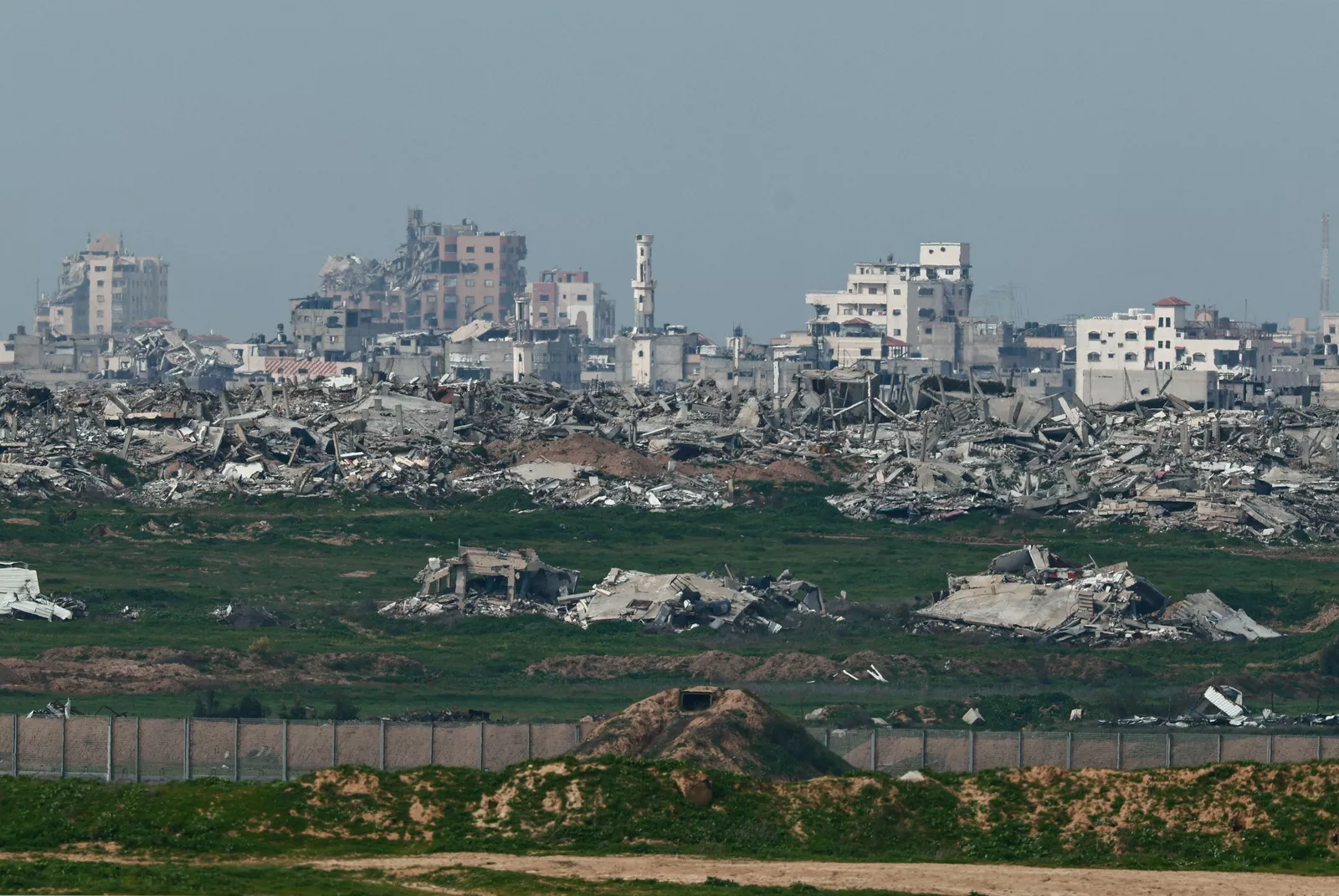
The allegations emerge amid escalating anti-Israel sentiment across Britain’s elite universities. An Oxford student, Samuel Williams, is facing trial in January 2028 after being charged with stirring up racial hatred for leading chants including “Gaza, Gaza make us proud, put the Zios in the ground” at a pro-Gaza protest in London in October 2025. He has pleaded not guilty. Meanwhile, Cambridge University has seen its own protests, including disruptions to open days, calls for divestment from Israeli businesses, and instances of Israeli flags being targeted at pro-Palestine demonstrations. Trinity College faced criticism and vandalism over its reported investment in an Israeli arms company. The Cambridge University Israel Society also expressed horror at a social media post by the group “Cambridge for Palestine” that appeared to glorify Yahya Sinwar, saying it contributed to a hostile atmosphere for Jewish students.
Violent incidents targeting British Jews have also risen sharply. Last week, two Jewish men were stabbed in Golders Green, north London, in an attack declared a terrorist incident. The suspect, Essa Suleiman, 45, had a history of violence and mental health issues and had been referred to the Prevent counter-extremism scheme in 2020, though his case was closed that year. Lord Walney’s own reports, produced during his time as independent advisor, identified a “rising extremist trend” and political intimidation that inhibits public rights and freedoms.