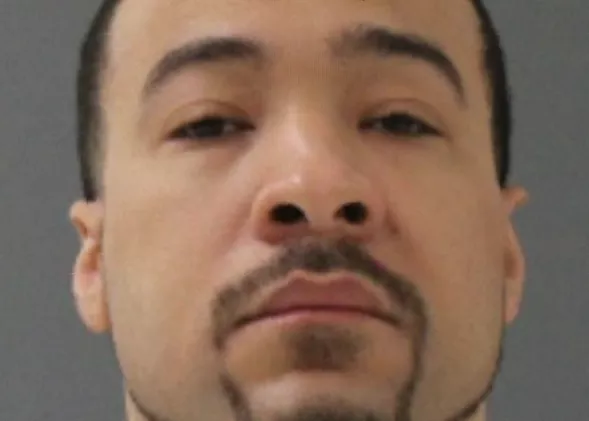
New evidence suggests that a man executed by lethal injection in Texas on Thursday may have been innocent of the murders for which he was condemned. James Broadnax, 37, was put to death for the 2008 shooting of two men outside a music studio in Dallas, but a recently released video confession from his cousin, Demarius Cummings, who is already serving life without parole for his role in the killings, has cast serious doubt on the verdict.
Cummings has now claimed that he, not Broadnax, was the one who shot and killed Matthew Butler and Steve Swan. Lawyers representing Broadnax say the confession is supported by forensic evidence: Cummings’s DNA was found on the murder weapon and in the pocket of one of the victims. The emergence of this evidence after Broadnax’s execution has intensified questions about the reliability of the original trial and the irreversible nature of capital punishment.
Confession and DNA evidence
Demarius Cummings, who was sentenced to life without parole for his involvement in the double murder, made the admission in a video that has only now come to light. His statement directly contradicts the prosecution’s case that Broadnax was the shooter. Crucially, lawyers for Broadnax have pointed to DNA evidence linking Cummings to both the firearm used in the killings and one of the victims. The corroboration of the confession by physical evidence strengthens the claim that an innocent man may have been executed.
The case against Broadnax had already drawn scrutiny over the conduct of the trial. His attorneys have alleged that prosecutors used a spreadsheet to systematically exclude all seven Black potential jurors. One Black juror was eventually reinstated, but the broader pattern raised concerns of racial bias in the selection process. The defence also pointed to the use of Broadnax’s rap lyrics as evidence of his dangerous character, a tactic they argued was intended to inflate his sentence.
Legal challenges and disputed admission
A key pillar of the prosecution’s case was Broadnax’s reported admission to reporters, just hours after the shooting, that he had “pulled the trigger.” His lawyers have disputed the reliability of that statement, arguing that he was under the influence of drugs at the time and therefore not in a position to make a coherent or voluntary confession. Despite these challenges, the US Supreme Court threw out a last-ditch appeal, clearing the way for the execution to proceed.
Broadnax’s final words, delivered as the sedative began to take effect, urged his followers “not give up” before the drug stopped him mid-sentence. In a separate final written statement, he said he had “prayed to God for forgiveness.” However, Theresa, the mother of victim Matthew Butler, rejected the claims of innocence, accusing Broadnax’s lawyers of attempting to “stall” the justice process and dismissing the new evidence as “all a lie.”
Personal story and broader context
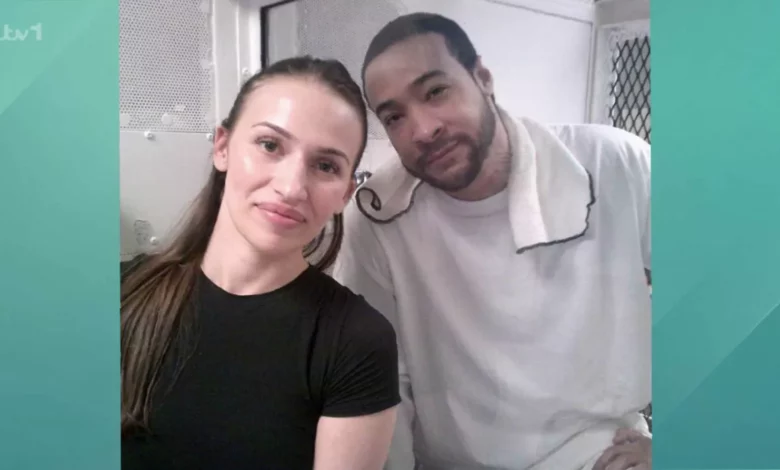
Among Broadnax’s most vocal supporters was his British wife, Tiana Krasniqi, from Lewisham, south London. The 31-year-old met Broadnax while studying for a master’s degree in international human rights at the University of Law, where she was researching racial disparities in the US criminal justice system. She described their relationship as a “whirlwind” – they corresponded by email before meeting in person regularly for three months, then married in a brief 20-minute ceremony at the Allan B Polunsky Unit. Because state law forbids contact with death row inmates, they exchanged vows behind glass. “Nobody is going to understand it, but it’s okay,” she said.
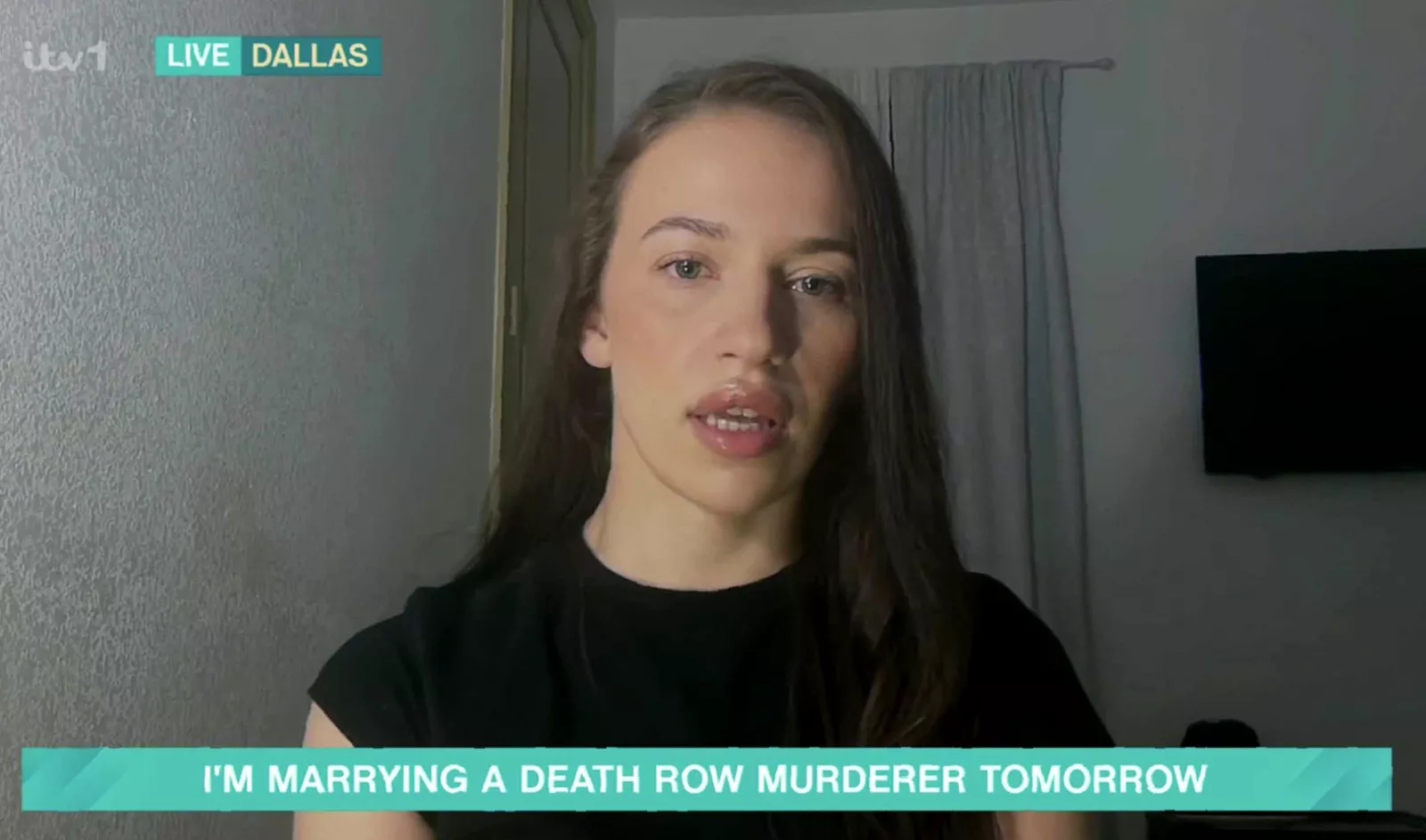
Hours before the execution, Krasniqi posted an emotional TikTok video in which she wrote: “To those who want him dead. Knowing he didn’t do it. Take me instead of him. That’s how confident I am.” She later claimed that the victims’ families had laughed as they watched Broadnax put to death and that the lethal injection was so severe it caused bruising on his neck and a nosebleed.
Texas remains one of 27 US states that officially sanction capital punishment, according to the Death Penalty Information Center. Since 1976, it has executed 599 people – more than any other state. Broadnax was the 10th person to face the death penalty in the US this year and the third in Texas.