Rio Ferdinand faces sportswashing charges for Tanzania luxury trip backing regime that kills protesters and hunts gay people

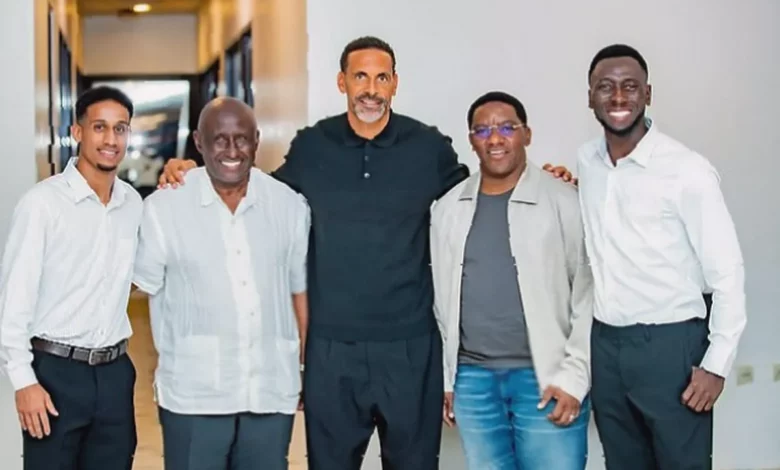
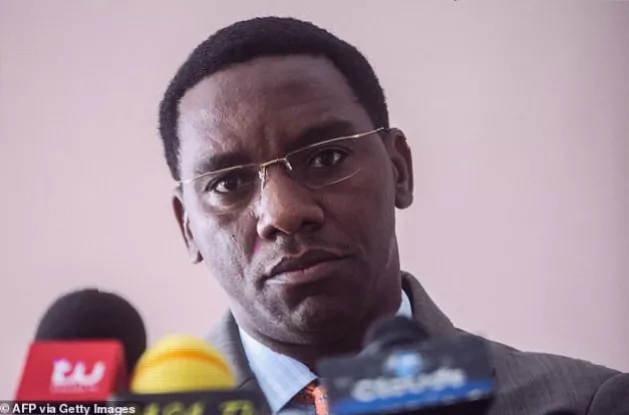
Rio Ferdinand faces sportswashing accusations after a visit to Tanzania during which he publicly embraced the country’s culture and sports minister, Paul Makonda – a politician sanctioned by the United States for “gross violations of human rights”.
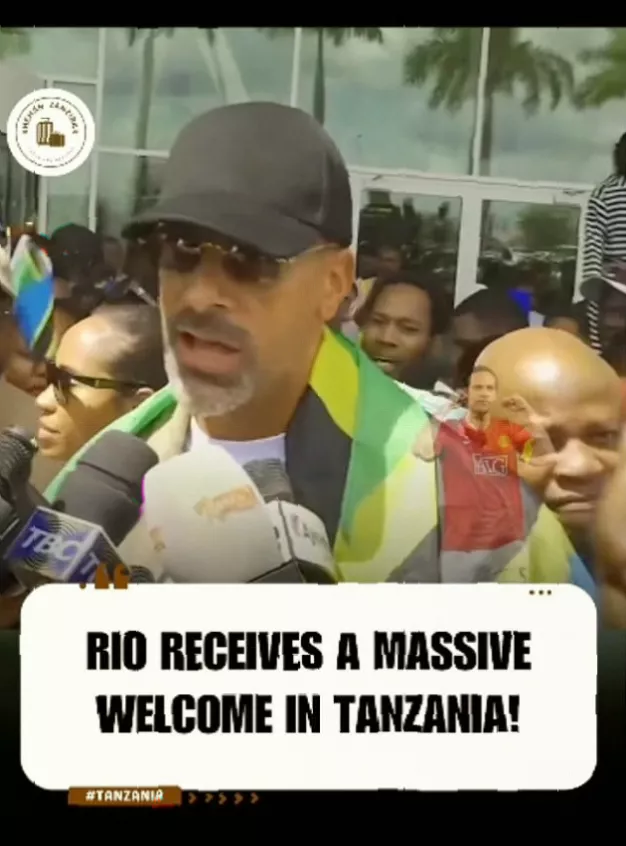
The former Manchester United and England defender, 47, was met with fanfare on his arrival, draped in a Tanzanian flag and photographed alongside Makonda, whom he referred to as “my good friend Paul”. Ferdinand told reporters that Tanzania was “making strides to become a global powerhouse of football” and that the country needed support ahead of co-hosting the 2027 Africa Cup of Nations alongside Kenya and Uganda.
“You have to come, you have to meet people,” Ferdinand said. “My good friend Paul here, we have been speaking on the (phone), it has not just happened overnight, and we have to prepare a plan for when I’m here to see things and experience things and then start cooking up some good ideas.”
Ferdinand’s representative later insisted he was unaware if his client was being paid for the trip, and claimed the invitation came from President Samia Suluhu Hassan rather than Makonda. The representative said Ferdinand’s purpose was to support African football development ahead of the 2027 tournament. The Tanzanian government has described the visit as part of a wider strategy to strengthen international sports cooperation, attract investment and market the country to other sporting figures.
Makonda’s record of sanctioned abuses
The accusations of sportswashing centre on the figure of Paul Makonda, Tanzania’s Minister for Information, Culture, Arts and Sports, who was sanctioned by the US Department of State in January 2020. The US government stated that Makonda “has been implicated in oppression of the political opposition, crackdowns on freedom of expression and association, and the targeting of marginalised individuals”. The sanctions were imposed under the Global Magnitsky Act, which targets those responsible for “gross violations of human rights”, including the “flagrant denial of the right to life, liberty, or the security of persons”.
Among the specific abuses cited, Makonda previously announced a project to hunt down homosexuals in Dar es Salaam in 2018, including the creation of a surveillance squad dedicated to pursuing gay people. The US government noted that individuals detained under suspicion of same-sex sexual conduct could be subjected to forced anal examinations. Makonda’s wife was also banned by the US under the same sanctions.
The research brief confirms that the US has warned its citizens in Tanzania to exercise caution regarding their online presence because of the ongoing crackdown on homosexuality. Makonda’s actions align with a pattern of repression that intensified under former President John Magufuli and has continued under his successor, President Samia Suluhu Hassan.
Election violence and democratic scrutiny
The 2025 general election in Tanzania was described by observers as the deadliest in the country’s history. President Hassan was “re-elected” with 98 per cent of the vote, a result that opposition parties called a “mockery” of democracy after her main challengers were excluded. President Hassan insisted the election was fair and transparent and accused foreigners of inciting violence as part of attempts to overthrow her.
International observers – including the African Union (AU) and the Southern African Development Community (SADC) – concluded that the elections did not meet democratic standards. Their reports detailed widespread irregularities, including voters being issued multiple ballot papers, ballot box stuffing, restrictions on media and civil society, and an internet shutdown on election day and afterwards. A request from the European Union to investigate allegations of election abuses and repression was denied by the Tanzanian government.
In the aftermath of the election, protests erupted over alleged fraud and the exclusion of key opposition candidates. Security forces responded with lethal force, tear gas and other abuses, leading to hundreds of deaths and injuries. Amnesty International reported that “security forces used unlawful lethal force against protesters, killing and injuring hundreds”. Human rights groups also documented enforced disappearances, mass arbitrary detentions, and the disappearance of victims’ bodies from morgues. A commission of inquiry into the killings was formed but did not release its findings. Opposition leader Tundu Lissu was charged with treason and remained in detention.
Amnesty International condemns Ferdinand’s role
Felix Jakens, director of campaigns at Amnesty International UK, said the visit had “all the hallmarks of sportswashing”. Jakens, who also serves as Amnesty’s main spokesperson on sportswashing issues regarding Saudi Arabia and Qatar, stated: “Amnesty International has been closely monitoring a deeply troubling human rights situation in Tanzania, where security forces used unlawful lethal force against protesters in late 2025, killing and injuring hundreds.
“Against that backdrop, Rio Ferdinand should be speaking up against the rights violations happening there, not lending his profile in support of the government. His host, minister Paul Makonda, was sanctioned by the US government for gross human rights violations – and yet Ferdinand’s presence risks rehabilitating Tanzania’s international image while those responsible for recent abuses face no accountability. Celebrity visits don’t happen in a vacuum – they send a message – and this has all the hallmarks of sportswashing. We urge Ferdinand to speak out about these abuses and to use his platform responsibly.”
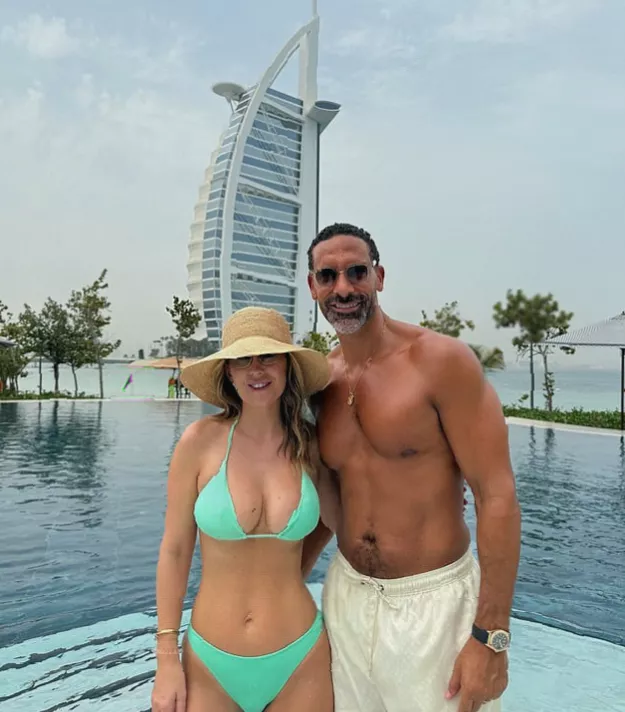
Ferdinand’s three-day visit included a train journey to the capital Dodoma with Makonda, as well as trips to the Tanzanian parliament and the Serengeti National Park. The government has said his profile will help market the country and attract other sports personalities. The Confederation of African Football (CAF) president has confirmed that the 2027 tournament, the first to be hosted by three nations and the first in the CECAFA region since 1976, will proceed as planned despite earlier reports suggesting it might be postponed.
Daily Mail Sport contacted Ferdinand’s representative for comment.