A Church of England primary school in Lincolnshire is at the centre of a controversy after a parent alleged his seven-year-old daughter and her classmates were coerced into performing Islamic prayers during a religious education lesson.
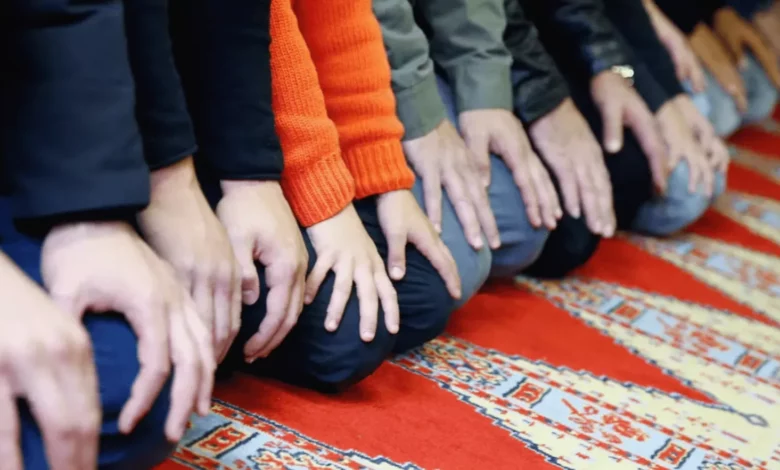
The complaint, detailed by the child’s father, states that pupils were shown a demonstration video on how to perform Muslim prayer, involving kneeling and bowing, and were then urged by a teacher to “have a go.” The father claims the teacher instructed the children to remove their shoes and told them, “We all need to do the performing of the prayer.” He alleges the children were “coerced, manipulated and cajoled” into the act, despite none in the class being Muslim, and that neither parental permission was sought nor were pupils given a clear opportunity to decline.
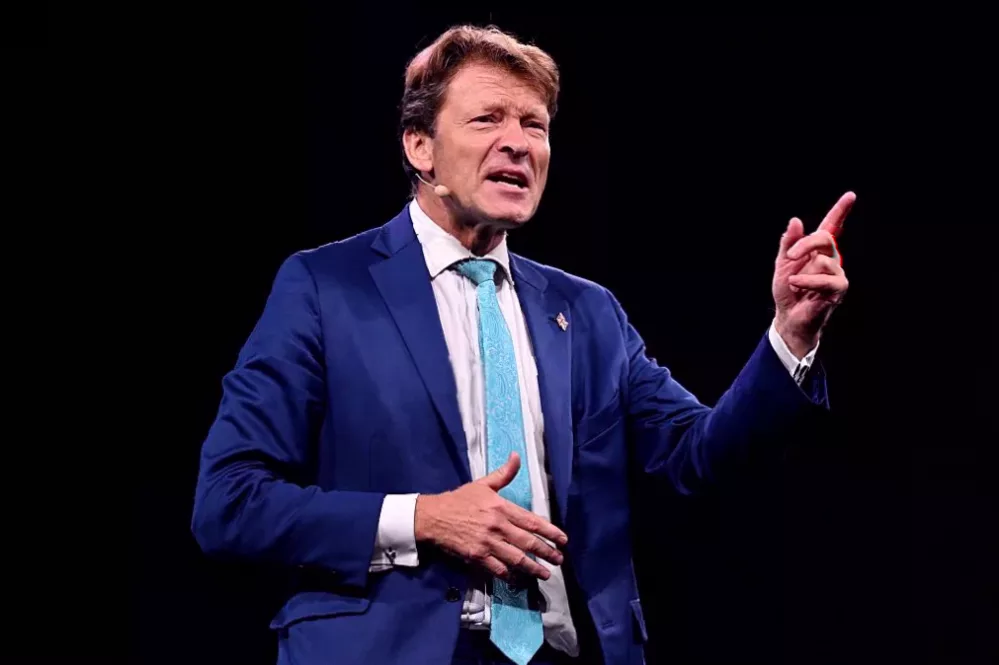
The matter was raised with Reform UK’s deputy leader, Richard Tice, who is the MP for Boston and Skegness. The incident has also been reported to Lincolnshire Police.

School and Diocese Insist It Was Not Worship
Responding to the allegations, the Diocese of Lincoln’s Board of Education, speaking on behalf of the unnamed school, has firmly rejected the characterisation of the lesson as an act of worship. A diocesan spokesman provided a detailed account, stating the lesson began following the relevant curriculum plan.
“During the lesson, which began following the relevant lesson plan, pupils were invited to demonstrate some of the movements associated with Muslim prayer,” the spokesman said. “Although this was outside the lesson’s intended approach, it was not an act of worship – no prayers or religious words were spoken and no child was required to take part. No mats were used and pupils were not asked to face any particular direction.”
The Diocese emphasised that the school’s RE curriculum follows its approved, non-confessional programme, which teaches pupils about different religious practices through “academic exploration and discussion.” It stated the curriculum is part of a wider sequence including Christian, Jewish and Sikh prayer and does not involve children taking part in acts of worship from any faith.
Church of England schools are legally required to provide a daily act of collective worship of a broadly Christian character, from which parents have the right to withdraw their children. RE lessons, while compulsory, also carry parental withdrawal rights. The Diocese acknowledged the lesson deviated from its intended approach and said the school would “undertake appropriate reflection to ensure future lessons continue to align fully with the intended non‑confessional approach of RE.”
Political Reaction and Calls for Clarity
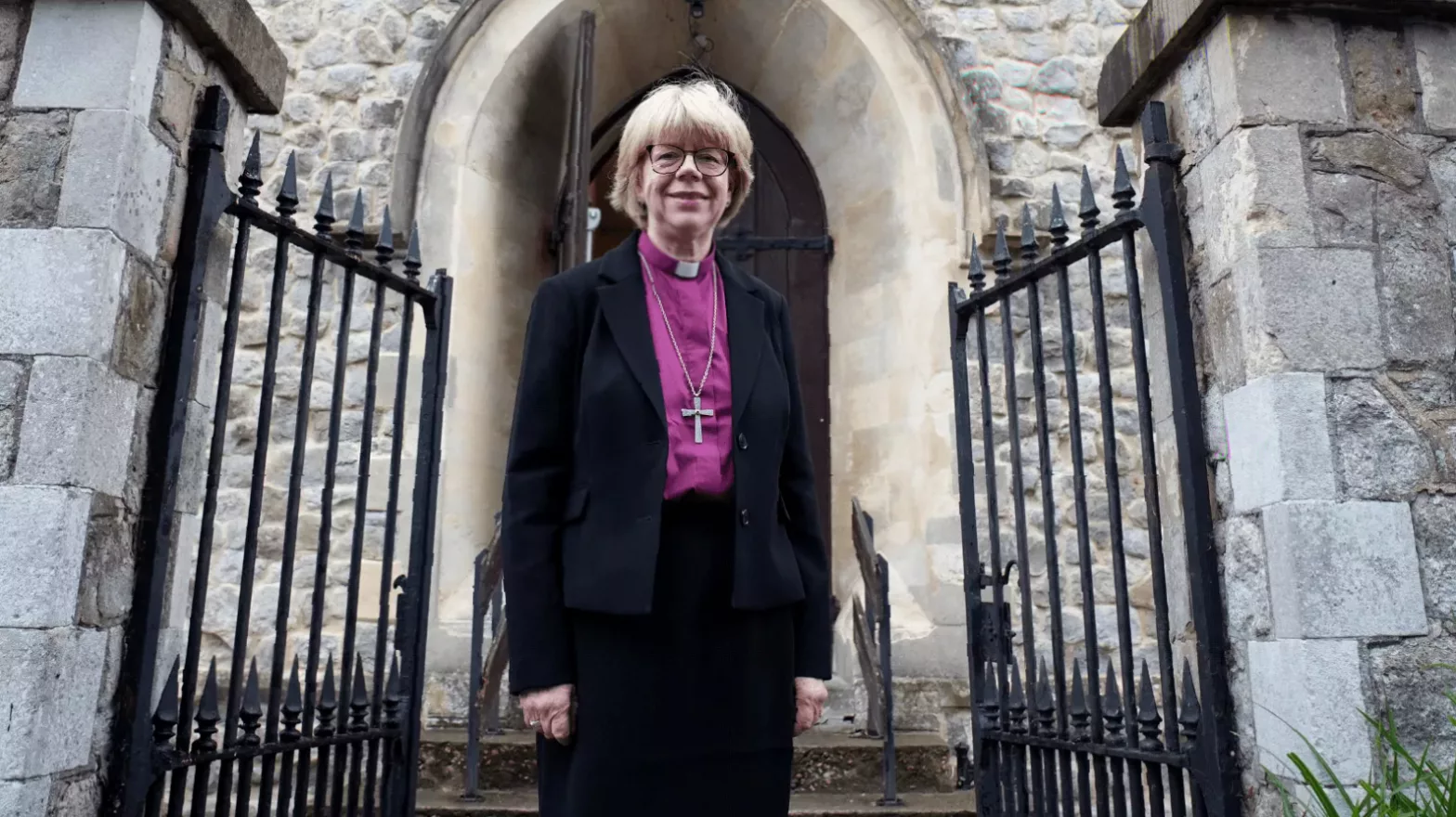
The allegations have drawn a political response from Richard Tice, who has written to the new Archbishop of Canterbury, Dame Sarah Mullally. In his letter, he sought clarification on how Church of England schools approach teaching other religions, “particularly in a way that respects parental rights and avoids compelling pupils to participate in religious practices.”
Reform UK has previously expressed concerns about religious education. The party’s stance has included calls from some councillors for RE to focus more exclusively on Christianity, citing fears that teaching multiple faiths could confuse or “brainwash” children.
The Diocese of Lincoln, which oversees CoE schools in the area, has itself been subject to scrutiny on other matters, including past safeguarding investigations and the recent arrest of the current Bishop of Lincoln on unrelated suspicion of sexual assault. Its RE curriculum materials, developed in response to recent Ofsted reports and national guidance, are designed to take a “religion and worldviews approach.” Nationally, Church of England education policy commits to being “deeply Christian” while showing “generous hospitality” and “deep respect for the integrity of other religious traditions.”
The incident in Lincolnshire echoes a similar event previously reported at a Church of England primary school in County Durham, highlighting an ongoing, sensitive debate around the methods used to teach world religions in schools with a religious character.