Report chief condemns ‘woke left’ over white working-class boys’ persistent class ranking


Five years after a landmark government report identified them as a “forgotten demographic” being failed by the system, white working-class boys from the poorest homes remain at the very bottom of England’s educational attainment tables, with new data revealing the scale of the persistent crisis.
In the 2022-23 academic year, just 36% of white British boys eligible for free school meals achieved the expected standard in GCSE maths and English, according to the findings. This figure stands in stark contrast to the national average of 65% for all pupils and is significantly lower than the attainment of many other disadvantaged ethnic groups.
A report’s contentious legacy and unheeded warnings
The original diagnosis was made by the Commission on Race and Ethnic Disparities (CRED), which was established in 2020 following the Black Lives Matter protests and published its report in March 2021. Its chair, Lord Tony Sewell, is now marking the anniversary with a stark declaration that “our warnings were not listened to.”
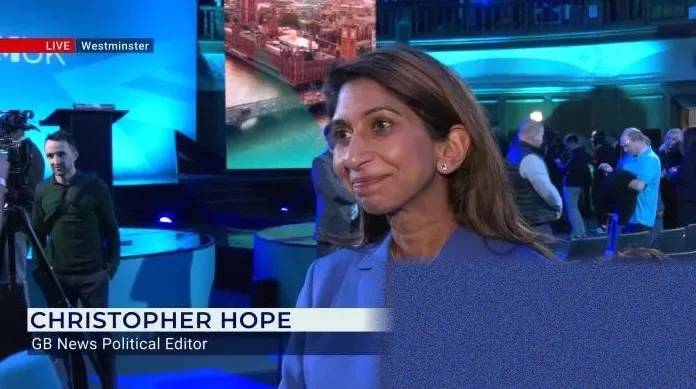
The CRED report concluded that the UK could no longer be described as institutionally racist, a finding that sparked fierce criticism from academics and campaigners at the time. However, it also argued that the “main drivers of unequal outcomes are class, geography and family stability, not race alone,” a point Lord Sewell is expected to reiterate at a Westminster panel event this week.
The government’s formal response, the “Inclusive Britain” action plan published in March 2022, outlined over 70 policy actions. Yet critics argued it sidestepped the report’s most contentious conclusions, and Lord Sewell’s upcoming remarks suggest a belief that its core message on class and family was diluted by the political “culture wars” of 2020.
The stark attainment gap and the family factor
The latest figures highlight a profound disparity. While only 36% of disadvantaged white British boys met the GCSE benchmark, their peers from other backgrounds on free school meals fared considerably better: Chinese boys achieved an 82% pass rate, Bangladeshi boys 68%, and Black African boys 58%. Even Black Caribbean boys, at 39%, recorded a higher rate.
Think tanks point to family structure as a critical, and often overlooked, differentiator. Analysis by the Centre for Social Justice (CSJ) of official data shows that just 20% of disadvantaged white children live with married parents. By comparison, nearly 60% of poor children from non-white households reside in two-parent married families.
The CSJ argues that this stability is a more reliable predictor of positive outcomes than characteristics like ethnicity or sexuality. Its recent “Lost Boys” report notes that an estimated 2.5 million UK children do not live with a father figure, linking fatherlessness to higher risks of truancy and mental health difficulties.

A broader crisis for boys and the NEET generation
The challenges extend beyond the white working class and reflect a wider gender gap in education. Boys consistently underperform girls on most major indicators. In 2022-23, boys were nearly twice as likely to be suspended from school and more than twice as likely to be permanently excluded. By GCSE level, 68% of girls achieved a grade 4 or above in English and maths, compared to 63% of boys.
This feeds into a troubling economic picture for young men. Since the pandemic, the rate of young men aged 16-24 who are Not in Education, Employment or Training (NEET) has surged by 40%, compared to a 7% rise for females. As of late 2025, 13.3% of young men were NEET. Individuals from lower working-class backgrounds have a NEET rate of 22%, triple the 9% rate of those from higher professional backgrounds.
School exclusion rates for boys have also climbed steeply post-pandemic. In the 2023-24 academic year, the permanent exclusion rate for male pupils was 17.9 per 10,000, matching a previous high from 2006/07.
A “national disgrace” and calls for a new focus
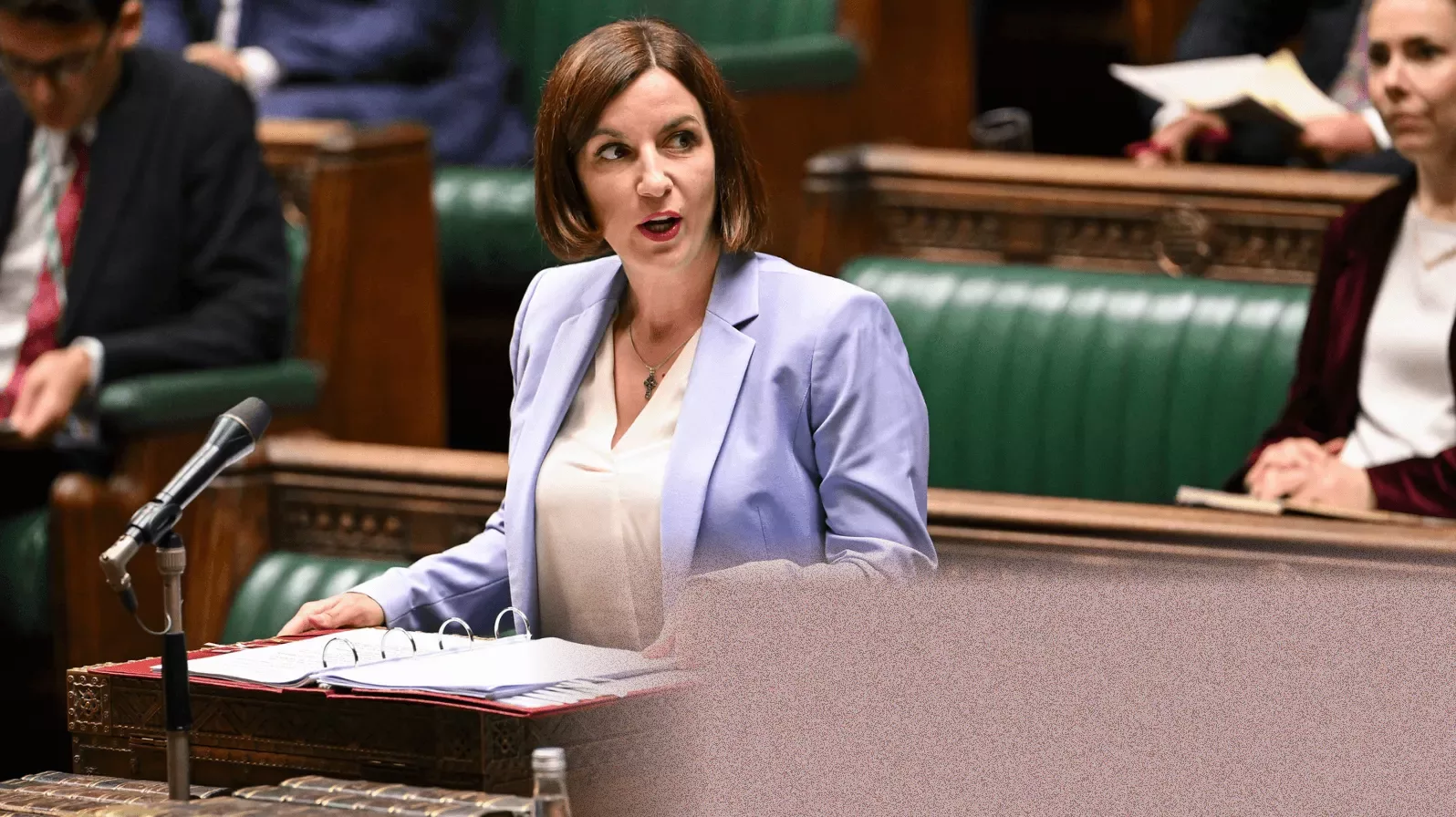
Education Secretary Bridget Phillipson has previously described outcomes for white working-class pupils as a “national disgrace” and pledged to make tackling this generational challenge a priority. The most recent data underscores the task ahead: for the 2023-24 year, only 18.6% of white British students on free school meals achieved at least a grade 5 in English and maths GCSEs.
Mercy Muroki, a former CRED commissioner and development director at the CSJ, stated that “Family stability, class, and aspiration matter far more for children’s life chances than many of the issues that dominated identity politics culture wars in 2020.”
As Lord Sewell prepares to address parliamentarians, his core message, according to advance remarks, is one of urgent refocus: “If we are serious about opportunity, we have to stop arguing about language and start delivering change in the places that need it most.” The CSJ is calling for a renewed emphasis on family policy and for directing the best teaching resources towards the lowest-performing boys, arguing that without such action, this forgotten demographic will remain left behind.