Charity issues warning over dwindling time to protect ‘forgotten forests’ within plantations

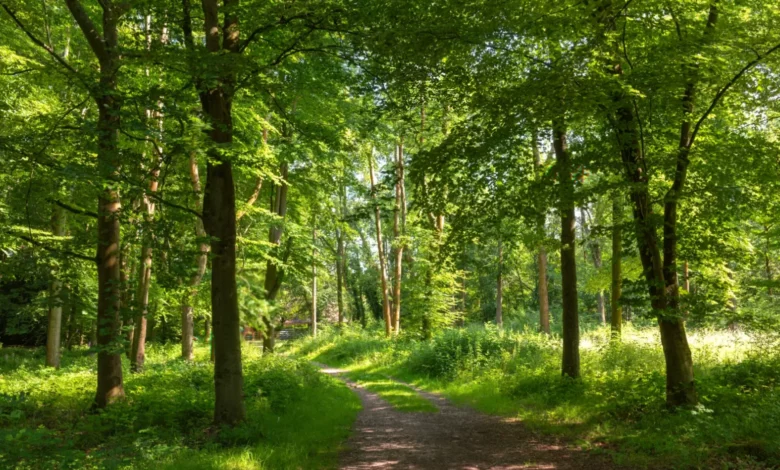
In the quiet depths of England’s forests, a critical decision point is approaching, one that will determine the fate of some of the nation’s oldest and most ecologically rich landscapes. Across the country, plantations of fast-growing timber trees, many planted after the World Wars to meet national demand, are reaching maturity. Their harvest presents a final opportunity to rescue the “forgotten forests” lying dormant beneath them: ancient woodlands that were clear-felled or poisoned to make way for these commercial crops.
The Buried Legacy of Britain’s Ancient Woods
These areas are known as Plantations on Ancient Woodland Sites (PAWS). They are tracts of land that have been wooded continuously since at least 1600, but whose native ecosystems were largely removed in the 20th century and replaced with monocultures, often of non-native conifers. Despite this brutal treatment, conservationists stress that the original, “amazing and irreplaceable” ecosystem has not been completely erased. According to Nick Phillips, the Woodland Trust’s lead on forestry policy, the ancient soils, seed banks, and fragments of native plants and trees are still hanging on, waiting for a chance to recover.
The scale is significant. Ancient woodland now covers just 2.5% of England, and of that precious remnant, some 40% is classified as PAWS. Furthermore, almost half of England’s now-rare temperate rainforest habitat—once widespread in western regions—exists as planted ancient woodland. These sites are biodiversity hotspots, supporting a quarter of England’s priority species. Their value extends beyond ecology; a government-backed study has valued the UK’s woodlands at £382 billion for their services in carbon storage, flood regulation, and air purification, with ancient woods forming a critical part of this natural capital.
A 2030 Deadline and a Stalled Rescue Mission
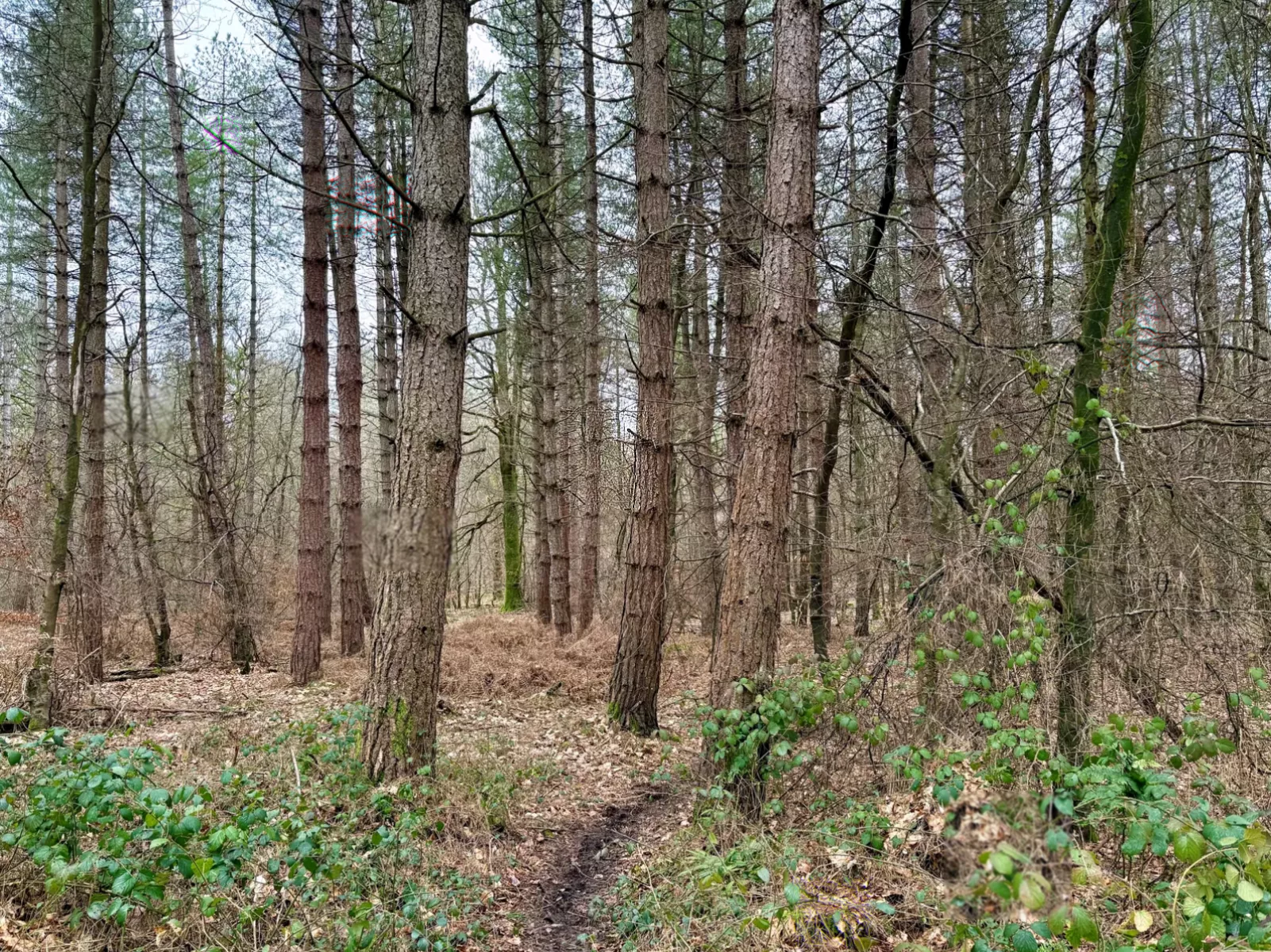
The government has set a target to restore the majority of these PAWS sites to native woodland by 2030. The Woodland Trust estimates this would require restoring 5,000 hectares of privately-owned forest every year until the deadline—an area cumulatively the size of Birmingham—alongside all PAWS on public land. However, the charity warns that progress has stalled catastrophically. Figures from the Forestry Commission show that almost no private land has entered restoration in the past few years.
“We are running out of time,” warned Mr Phillips. He frames the coming years as the “last chance” for these habitats. When the plantation trees are felled, landowners face a stark choice: replant for another cycle of commercial timber, which he calls “the most profitable thing to do,” or embark on restoration. Clear-felling and replanting would expose any lingering ancient flora to increasingly hot summers before subjecting them to another 50 years of dense shade, which Mr Phillips said would sound the “death knell” for the habitat. “Once they’re gone, they’re gone,” he stated. “However much tree planting we do – which is really important – this is not going to replace this. This is where the woodland wildlife is.”
How a ‘Forgotten Forest’ is Brought Back to Life
The restoration process is a careful, gradual one, designed to protect the fragile ancient features that remain. The preferred method is “continuous cover forestry” (CCF), a sustainable management approach that avoids clear-felling. Instead, plantation trees are periodically thinned, allowing light and space to gradually return to the woodland floor. This enables native saplings to grow, mature broadleaf trees to spread, and characteristic plants like bluebells to spring back from the soil.
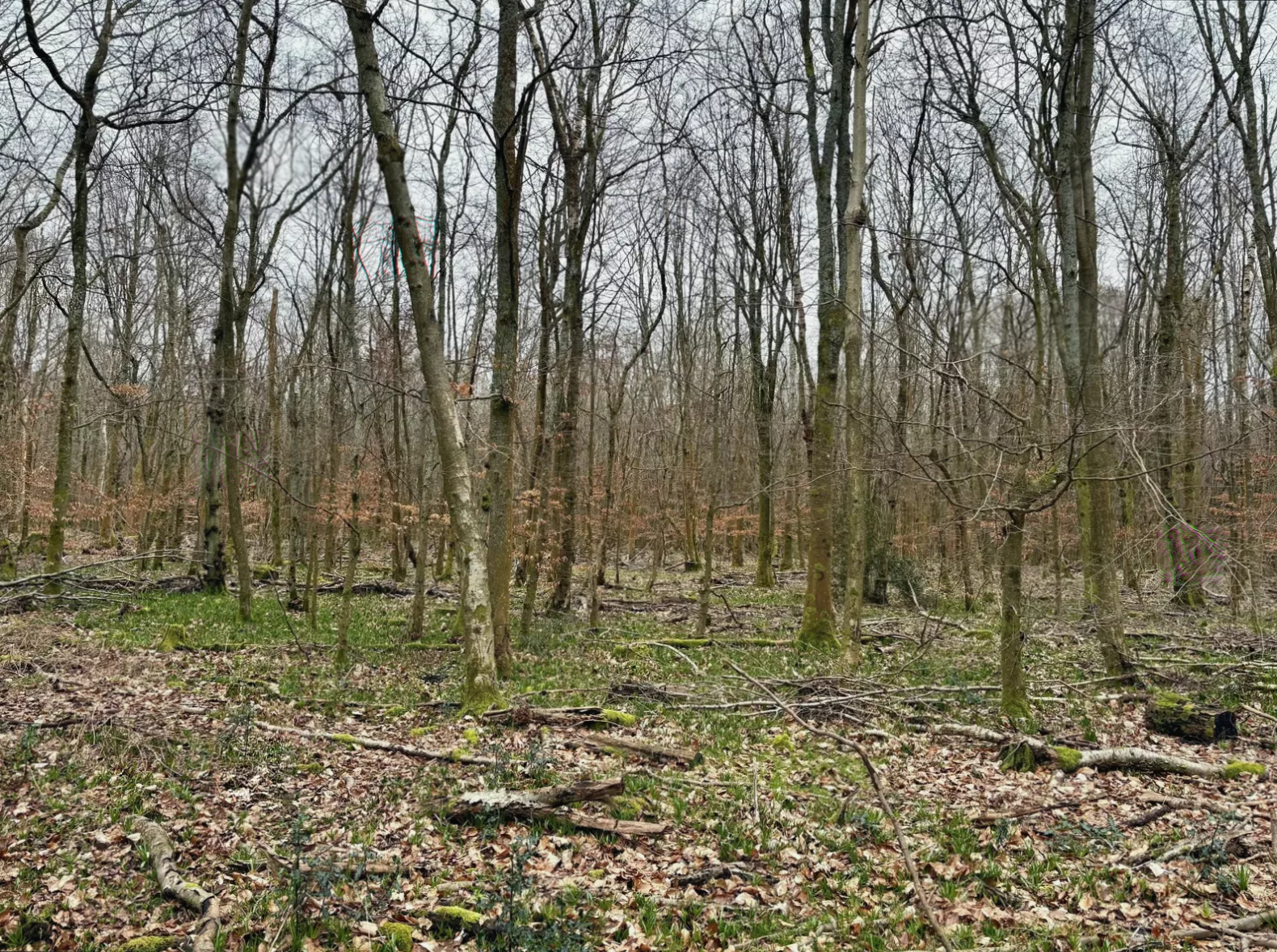
Penn Wood in Buckinghamshire serves as a living example. This ancient woodland, once used for beech in the local furniture industry and saved from becoming a golf course, was in a “critical condition” when surveyed. Site manager George Griffiths said 70% of the site was dominated by conifers, with no light reaching the floor and native broadleaf trees hemmed in. Now, under a CCF regime, nature is reclaiming its space. Young native birches grow between moss-covered oaks, and the green haze of bluebell leaves signals recovery. “It protects the forest floor and the soils, by not completely getting rid of what’s there and having nothing there,” Mr Griffiths explained. “We’re letting nature take its course.”
The Funding Gap and a Call for Action
While the Woodland Trust points to Penn Wood as proof of concept, it argues that a systemic lack of support is hindering wider progress. Although grants exist through schemes like the Countryside Stewardship grant scheme and the England Woodland Creation Offer, the trust says bespoke funding and advice are urgently needed to connect private landowners with the right resources and guide them through the technically sensitive restoration process.
The charity’s “forgotten forests” campaign is calling for three key actions: proper legal protection for ancient woodlands, a portion of the government’s pledged £1 billion for tree planting to be dedicated to their restoration, and a clear rescue plan to meet the 2030 target. Mr Phillips put the total cost at around £250 million—equivalent, he noted, to just one mile of the HS2 rail project.
In response, a spokesperson for the Department for Environment, Food and Rural Affairs (Defra) said: “Our majestic ancient trees and woodlands are irreplaceable – vital for wildlife, rich in history, and cherished by communities across the country.” They highlighted that the government is supporting Forestry England to restore 20,000 hectares of PAWS on the public estate over the last decade and has supported over 2,000 hectares through the Countryside Stewardship scheme. “Trees are at the forefront of our plans to connect communities with nature, support biodiversity and that is why this Government has committed £1 billion towards tree planting and support to the forestry sector.”
Yet, for conservationists standing among the slowly recovering trees of Penn Wood, the bureaucratic response feels disconnected from the urgency on the ground. With the clock ticking towards 2030 and chainsaws poised at mature plantations nationwide, the campaign to rescue England’s buried ancient forests is reaching its decisive hour.