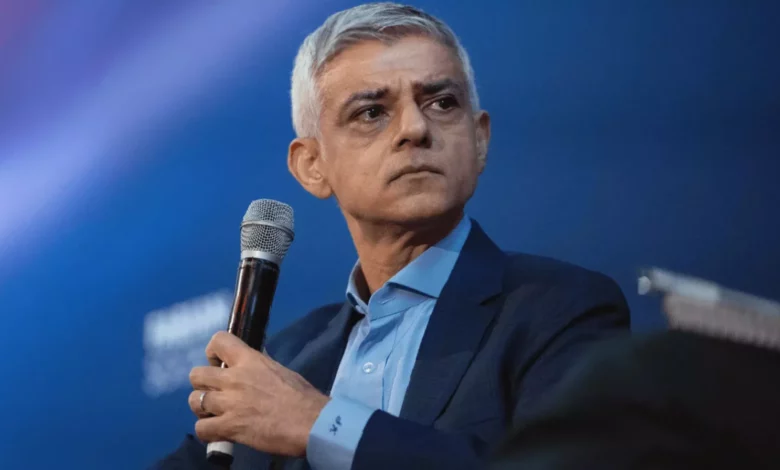
A petition demanding the resignation of London Mayor Sadiq Khan, signed by more than 40,000 people, is due to be delivered to City Hall today, reigniting a fierce political row over the capital’s response to child sexual exploitation.
The petition, organised by the advocacy group CitizenGo, will be handed to Reform UK London Assembly member Keith Prince, who is expected to present it formally. It accuses the Mayor of a “catastrophic failure” in leadership and highlights what campaigners call his refusal to launch a dedicated inquiry into grooming gangs in London.
The Semantics of Denial
At the heart of the controversy are statements made by Sir Sadiq. In January 2025, when asked on multiple occasions if rape gangs operated in London, he responded that he was “not clear” what the question meant and, following clarification, said he remained “none the wiser”. Last year, he also stated there was no “indication of… grooming gangs” operating in the capital on a scale comparable to the scandals in Rochdale or Rotherham.
A spokesperson for the Mayor has since countered that Sir Sadiq has “repeatedly said on record that there are grooming gangs in London” and that child safety is his top priority. However, critics argue this amounts to backtracking. Conservative London Assembly leader Susan Hall has accused him of “making a mockery out of semantics,” while the CitizenGo campaign frames his earlier comments as a denial.
Whistleblowers and Investigations
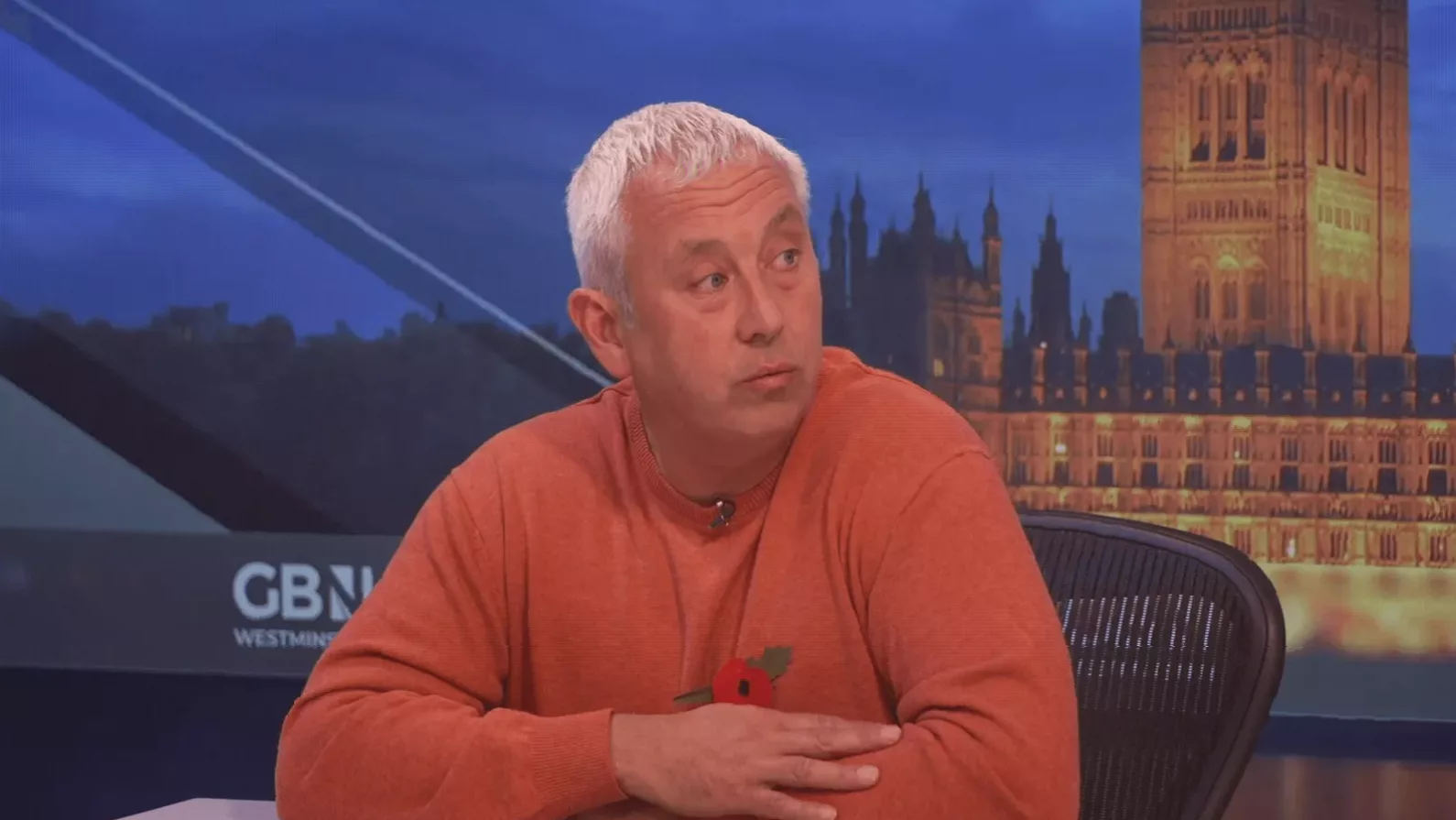
Allegations from within the police force have lent weight to the campaigners’ concerns. Former Met detective and whistleblower Jon Wedger has claimed he uncovered evidence of organised child sexual exploitation in London on a scale surpassing the Rotherham scandal. He alleges children as young as nine were trafficked and that his investigations into 50 cases were blocked, with superiors warning him he would “lose his home, job and children” as his work would “f*** the Metropolitan Police”.
These claims find some corroboration in recent investigative work. A BBC report last month uncovered that young girls had been forced into grooming gangs in London. Furthermore, Detective Sergeant John Knox, head of a Met child exploitation team in South London, stated that girls and young women were treated as the “lowest rung” in gangs.
Systemic Reckoning and a National Audit
The pressure on City Hall coincides with a major institutional reckoning within the Metropolitan Police. The force is set to reopen approximately 9,000 cases of child sexual exploitation from the past 15 years for review.
This move follows the damning findings of Baroness Louise Casey’s National Audit on Group-based Child Sexual Exploitation and Abuse. Her report identified widespread, organised and underreported abuse across Britain. Critically for London, it found discrepancies in how the Met and local authorities recorded child abuse cases and noted that officials had often “shied away from” recording the ethnicity of perpetrators, a sensitive but persistent feature of past grooming gang scandals. Baroness Casey’s recommendations included a change in the law and a national inquiry.
The Met, for its part, states it has always recognised the harm of group-based exploitation. It points to a “Child First” safeguarding approach, the training of 11,000 officers since 2022, expanded specialist teams, and a claim of 134 more suspects charged.
Political Crossfire and the Path Ahead
The issue has become a political lightning rod. The government has committed to a national inquiry into organised child sexual abuse, though its setup has faced early turbulence, with some survivors withdrawing from advisory panels.
Reform UK has seized on the topic. Leader Nigel Farage has called for Parliament to take control of the grooming gangs inquiry, alleging a “massive, massive cover up” and promising an independent inquiry if elected. The party has directly linked the issue to perpetrators “mainly of Pakistani heritage,” injecting a highly charged demographic element into the debate.
In response to the criticism, Mayor Khan’s office highlights ongoing work and funding. They cite a £15.6 million Violence and Exploitation Support Service and, separately, a new £2.4 million package for victims of Child Sexual Exploitation (CSE) to fund advocates and counselling. A spokesman stated the Mayor is “committed to doing all he can to protect children in London from organised criminal and sexual exploitation and bring perpetrators to justice,” and remains vigilant to “emerging and changing threats”.
As the petition arrives at City Hall, it symbolises a deepening clash between political narratives, institutional reform, and the grim, persistent allegations of exploitation that continue to surface. The delivery turns the spotlight back onto the Mayor’s past words and present actions, while the Met’s vast case review looms in the background, promising further revelations about London’s hidden vulnerabilities.