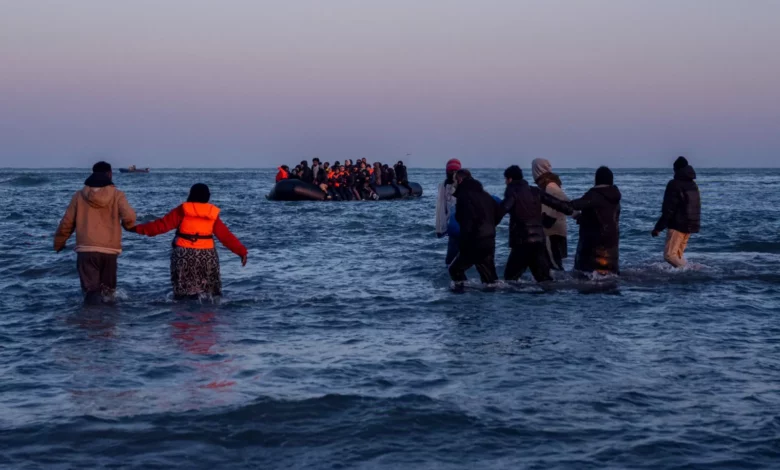
Negotiations for a new agreement between the UK and France to prevent small boat crossings of the Channel have stalled, forcing a last-minute extension to the existing deal amid a dispute over the policing of French beaches.
With just hours to spare before the £478m pact expired at midnight on Tuesday, the two governments agreed to extend it for two months. The original deal, first announced in 2023 and funded a new detention centre in France alongside hundreds of extra law enforcement officers on its shores. According to Downing Street, the UK has paid for two-thirds of the cost of policing France’s northern border under this arrangement.
The UK’s “Hard Bargain”
The sticking point in talks is the nature of a future agreement. The Home Office, under Secretary Shabana Mahmood, is pushing for what has been described as a “harder-edged” deal. A spokesperson for the Home Secretary said she is “driving a hard bargain with the French to deliver the best deal for the British people” and wants “more bang for our buck”.
Central to this are demands for a significant increase in the number and nature of interventions by French authorities. The UK is seeking more law enforcement officers on the beaches and a ramping up of measures to intercept migrant vessels in the water. Crucially, it has been reported that the Home Office wants to introduce performance-related clauses that would tie parts of a new funding package—reportedly worth around £650m—directly to the number of boats intercepted by the French.
This proposed “payment-by-results” model is a major source of contention. French officials have raised strong objections, arguing it could prioritise enforcement over rescue and endanger lives. France’s junior minister for the sea, Xavier Ducept, has stated that UK demands risk the lives of asylum seekers, insisting that rescue must come first, followed by the enforcement of the law.
Pressure to Act Amid Rising Numbers
The urgency for a revised deal stems from relentlessly high crossing numbers. Small boat arrivals hit approximately 41,500 in 2025, the second highest annual total on record and a 13% increase on 2024. Since 2018, around 193,000 people have been detected arriving by this route. So far in 2026, over 4,000 people have made the crossing.
The government points to its record of prevention, claiming that over 40,000 crossing attempts have been stopped since it took office, though the Home Office has not provided evidence to substantiate this figure. Independent analysis suggests the French interception rate has fallen from over 50% in 2023 to approximately one-third of attempted crossings today.
Amid the negotiations, the government has also been operating a pilot “one-in, one-out” scheme since August 2025. This allows the UK to return some small boat arrivals to France in exchange for accepting an equivalent number of asylum seekers from France via a legal route. By early February, 305 people had been returned to France and 367 had arrived in the UK under this arrangement.
Criticism and Alternative Paths
The stalled talks and the government’s approach have drawn criticism from across the political and humanitarian spectrum. Nigel Farage’s Reform UK has described the deal as a “scam” and said it would not give France “another penny”, a position the Home Secretary’s spokesperson labelled “reckless” and claimed would lead to a surge in crossings.
Charities argue that a focus on enforcement is misguided. Imran Hussain, director of external affairs at the Refugee Council, said policing alone is insufficient and called for safe and legal routes to address why people take dangerous journeys. He highlighted the suspension of family reunion routes as a factor pushing people towards smugglers.
Tim Naor Hilton, chief executive of Refugee Action, called the deal “scandalous” and said it had made no impact on crossings, advocating for the money to be spent on establishing new safe routes. Lavanya Pallapi, executive director of the Joint Council for the Welfare of Immigrants, said “border policies kill”, citing research that previous UK-France deals led to a surge in deaths.
The government maintains it is expanding safe and legal routes through community sponsorship and humanitarian programmes. Home Secretary Shabana Mahmood has also announced wider asylum reforms inspired by Denmark, aiming to make refugee status temporary and subject to review every 30 months to deter illegal migration.