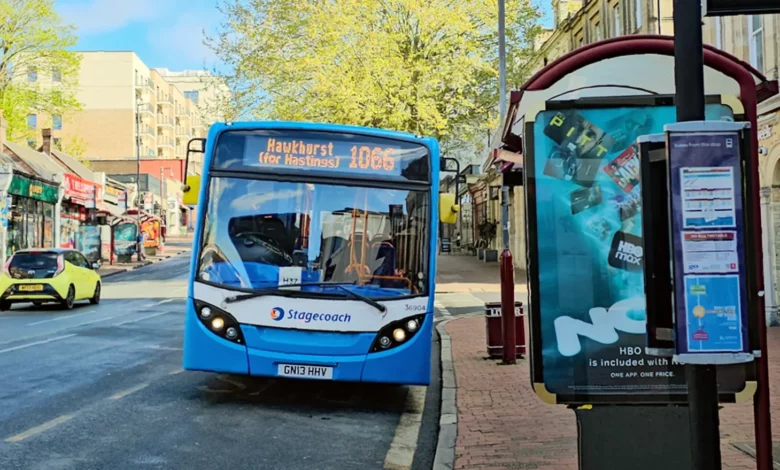
With the Bayeux Tapestry preparing for its first visit to Britain in over 900 years, a pilgrimage to the battlefield it immortalises feels particularly timely. From September 2026, the epic embroidery will be displayed at the British Museum, but for a more visceral connection to 1066, there is a uniquely budget-friendly approach: catching the 1066 bus from Tunbridge Wells to the town of Battle.
A £3 Ride Through the Weald
Operated by Stagecoach South East, the 1066 service is a relatively recent creation, stitched together from older routes in July 2023. It runs daily but infrequently, demanding careful timetable planning. The reward for this choreography is a fare capped at just £3 for a single trip—a price that makes the scenic, if sometimes bone-shaking, journey through the Kent and East Sussex Weald an undeniable bargain.
The route offers a slow travel panorama that a direct train misses entirely. From Tunbridge Wells, it winds past country cottages and manor houses, making its way to Wadhurst railway station—noted for being a mile from the town it serves. Quirks emerge quickly: a digital clock that only updates when the stop button is pressed, creating a Schrödinger’s timetable, and a scheduled pause at Hawkhurst where drivers and passengers alike can stretch their legs.
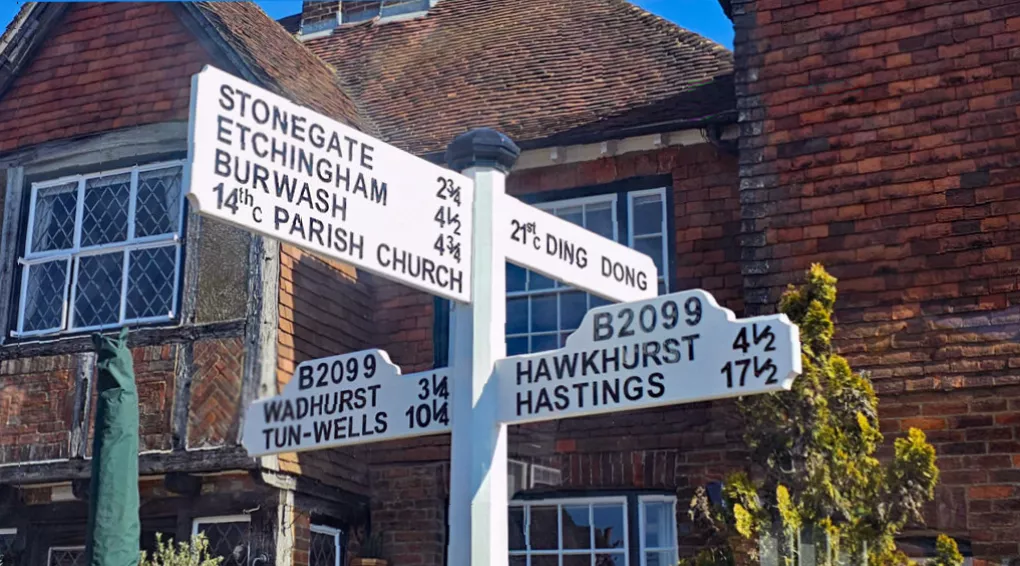
The journey is dotted with points of interest. Ticehurst offers the affectionately nicknamed “Ding Dong” pub and is also home to the renowned Pashley Manor Gardens. The route briefly skirts Kent, passing the striking houses of Flimwell Park, before a detour through the unexpectedly picturesque Robertsbridge—a village with a history of Cistercian abbey ruins and cricket bat manufacturing. After roughly an hour and twenty minutes, the bus finally rolls into Battle, depositing travellers at the doorstep of history.
Ground Zero for a Kingdom’s Transformation
The site, managed by English Heritage, is dominated by the imposing ruins of Battle Abbey. Founded by William the Conqueror in the early 1070s as penance for the bloodshed, its high altar was traditionally said to mark the exact spot where King Harold fell. Today, visitors can explore the substantial remains, where the most impressive structure is arguably the monks’ dormitory rather than the outline of the demolished church.
However, the very location of the clash that reshaped England is a subject of quiet academic dispute. While the abbey’s construction was long seen as definitive proof, historians point out it was begun a decade after 1066. Alternative theories have emerged: some, like historian Nick Austin, place the battlefield three miles south at Crowhurst; others, including John Grehan and Martin Mace, argue for Caldbec Hill, a mile north, citing its steeper slopes as a more strategic rallying point for Harold’s army. To date, archaeological excavations on the traditional site and its rivals have yielded no definitive artefacts, leaving the question open.
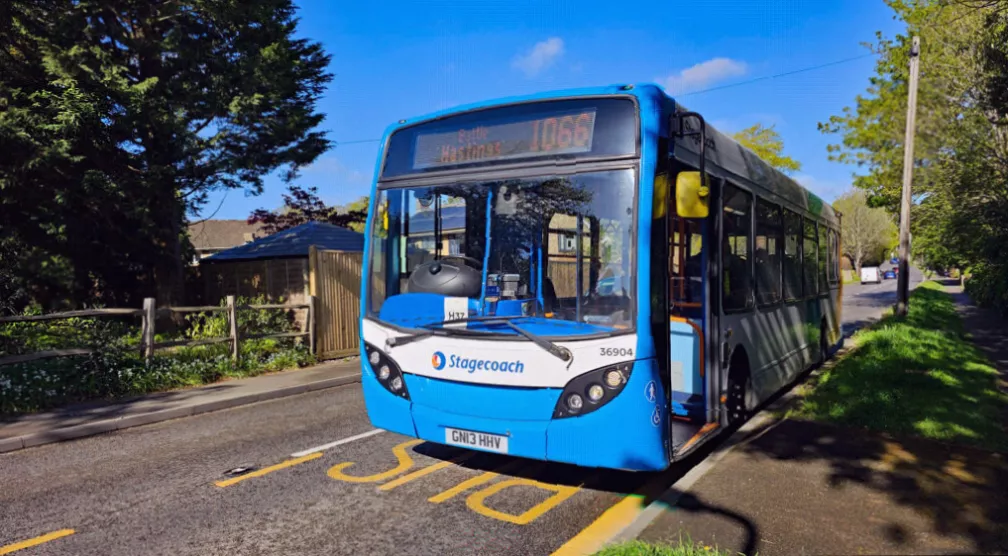
Despite the debate, the power of the place is undeniable. A circuit of the field, past wooden guardian figures reminiscent of Lewis chessmen, allows the imagination to take over. The view from the abbey gatehouse—rewarding a climb up a steep staircase—sweeps over the town and the rolling countryside, terrain that suddenly makes the strategic considerations of 1066 feel palpably logical.
Practicalities and the Journey Home
For those making the trip, advance planning pays. Entry to Battle Abbey is cheaper when booked online, with adult tickets from £13.60. English Heritage also offers a 20% Car-free Travel Discount for visitors arriving by bus, train, or bicycle—perfect for 1066 bus riders. The site includes a visitor centre with exhibits, a café, and a children’s playground. Keen-eyed visitors should look for the LEGO warrior by the entrance, a whimsical modern nod to the past.
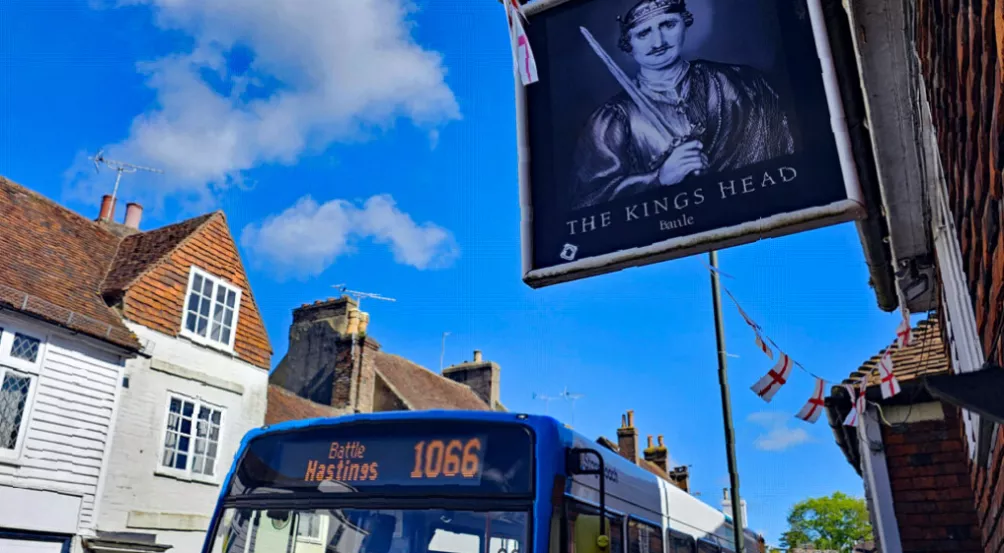
Be prepared for the unexpected. One traveller’s visit concluded with a fire alarm at the gatehouse, mustering everyone back into the abbey grounds for a twenty-minute wait. Fortune, in the form of roadworks delaying the departing bus, allowed for a narrow escape to the bus stop.
The final leg to Hastings reveals the landscape opening up into rolling hills. The bus route itself offers a final, slightly absurd mystery: a stop at a tiny lay-by on Battle Road, followed by another halt barely 100 yards later at a proper shelter. It eventually empties through Hastings suburbs before terminating at the railway station, where a queue often forms for the return journey—though few are likely bound for the full, picturesque haul back to Tunbridge Wells.