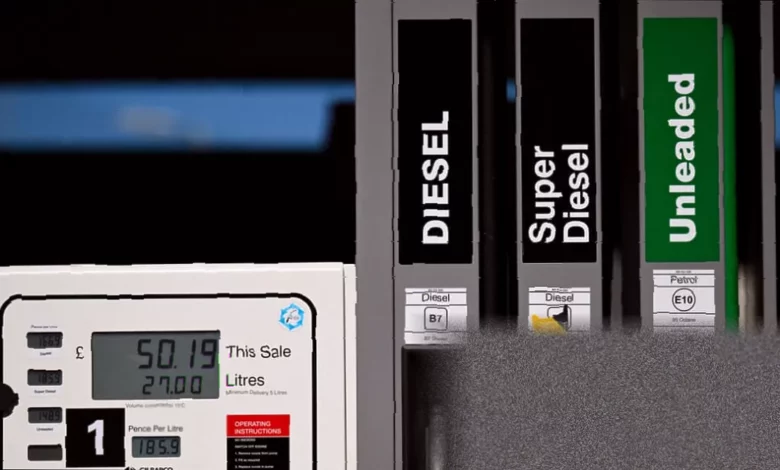
Petrol prices surged at their fastest monthly rate on record in March, adding 20 pence to the cost of a litre and heaping additional cost onto millions of drivers planning an Easter getaway. The unprecedented rise, from an average of 132.83p to 152.83p, eclipsed the previous record set in June 2022 following Russia’s invasion of Ukraine.
The spike was even more severe for diesel, which saw a 40p per litre increase to 182.8p, nearly double the previous monthly record. According to motoring services company the RAC, this has pushed the cost of filling a typical 55-litre family car with diesel over £100 for the first time since December 2022. The organisation’s foundation estimates motorists have paid an extra £544 million for fuel since the start of the conflict triggering the rises: the US-Israel war against Iran, which has driven up global oil prices. Brent crude futures saw sharp daily increases on fears of prolonged supply disruptions.
While the main rate of fuel duty remains frozen at 52.95 pence per litre, with a temporary 5p cut extended until August 2026, VAT at 20% is applied on top of the duty and wholesale price. The RAC noted that the price gap between supermarkets and the UK average has grown, with supermarket unleaded averaging 142.2p, though brand pricing has become more consistent nationwide.
Travel Warnings and Domestic Disruptions
Against this backdrop, the AA predicts this will be the busiest Easter on the roads since 2022, with 21.7 million car journeys planned—over one million more than last year. Traffic is expected to peak on Thursday as schools break up, with Easter Saturday also set to be heavily congested. Major hotspots are forecast to include the M6 through Birmingham, stretches of the M25, the M5 around Bristol, and the A303 in Wiltshire.
In a bid to ease journeys, National Highways is temporarily suspending around 1,500 miles of roadworks on motorways and major A-roads in England from Thursday through to Easter Monday. The AA reports that just over half of travellers expect journeys under 50 miles, with only 5% planning trips of 50-100 miles, suggesting some may be scaling back due to cost. Susannah Streeter, chief investment strategist at the Wealth Club, suggested consumers might opt for shorter trips and cut back on spending.
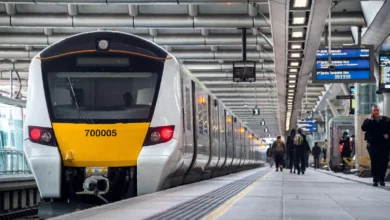
Rail travellers face significant disruption, prompting more to take to the roads. A £400 million engineering project will shut the West Coast Main Line between London Euston and Milton Keynes for six days from Good Friday. Separate engineering works will halt services between Preston and Lancaster on 4-5 April, affect routes in Hampshire and Kent, and reduce services between London Waterloo and Clapham Junction. Greater Anglia services on the Great Eastern Main Line will also be impacted from Good Friday to Easter Monday.
Further rail chaos is guaranteed as ASLEF drivers begin rolling 24-hour strikes from 5 to 8 April, affecting operators including Avanti West Coast, East Midlands Railway, GWR, LNER, Northern, and TransPennine.
Overseas Getaways and New Border Checks
Many are choosing to go abroad, with travel trade organisation Abta estimating two million UK residents will travel overseas this weekend. Popular destinations include the Canary Islands, mainland Spain, Portugal, Cyprus, and Turkey. EasyJet said it is preparing for its busiest Easter ever, with 16,000 flights scheduled from UK airports during the two-week break.
Those travelling to the European Union, however, are being warned to expect delays of up to two hours as countries deploy the new Entry/Exit System (EES). The system, expected to be fully implemented by 10 April, requires non-EU nationals to provide fingerprints and a photograph upon entry to the Schengen Area. Reports have already emerged of missed flights due to EES-related queues, posing a particular risk as the UK school holidays end.
The surge in road travel comes as the government pursues a target of net zero emissions by 2050, with transport decarbonisation a key component. Road transport accounts for roughly 24% of total UK greenhouse gas emissions, with cars being the largest contributor, despite improvements in vehicle efficiency.
For those driving, other costs remain high. The average comprehensive car insurance premium, though falling from recent peaks, is a significant household expense. Premiums vary dramatically by region, with London the most expensive and the South West generally the cheapest, and are heavily influenced by a driver’s age, experience, and no-claims bonus history.