Analysis: Why do some politicians’ social media strategies fall flat while others succeed?

The social media activity of Britain’s MPs is under intense scrutiny this week, as attempts at relatability and visibility online provoke everything from mockery to severe backlash, raising questions about how politicians navigate the digital landscape.
From Football to Silent Discos: A Week of Viral Scrutiny
The focus fell on two Labour figures in particular. Sir Keir Starmer was filmed during his regular five-a-side football game, a decades-old routine he maintains to clear his head. The footage prompted humorous online commentary about his “trampoline touch” and his teammates’ apparent reluctance to pass to him. This came during what was described as a brutally tough week in politics for the Prime Minister, who has previously been seen playing football even after being mobbed by protesters in February 2022.
More controversially, Walthamstow MP Stella Creasy faced a wave of public anger for posting a video of herself at a silent disco. The clip, shared amidst international conflict and a domestic cost-of-living crisis, was labelled “embarrassing” by some. Creasy defended the post as “showing that I’ve got personality,” but later detailed an extreme backlash that included death threats and vile commentary. She described it as a concerted attempt at character assassination, noting that one critic even reported her to social services—leading to an investigation that cleared her—and framed the incident as evidence that hatred of politicians has gone too far.
Dissecting the Political ‘Cringe’ Factor
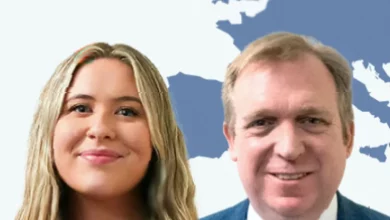
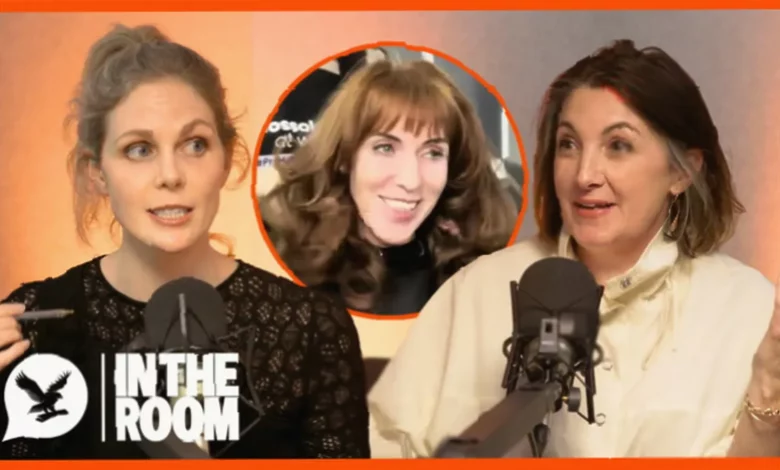
The phenomenon of politicians missing the mark online—often termed “cringe”—was recently dissected by Helen MacNamara, the former Deputy Cabinet Secretary, and Cleo Watson, a former adviser to Theresa May and Boris Johnson, on their podcast “In The Room”. They analysed what makes some content painfully awkward while other politicians emerge unscathed or even enhanced.
According to broader analysis, this cringe factor often stems from attempts to appear relatable that are perceived as inauthentic or ill-judged, such as David Cameron’s “Cam Cam” videos or Matt Hancock’s fitness app. Success requires content that feels genuine and is backed by clear messaging tailored for each platform. The incentive to go viral is strong, but viral messages rarely lend themselves to nuanced policy discussion or compromise, and MPs have even adapted their behaviour—giving shorter speeches, for instance—to suit social media’s appetite for soundbites.
The landscape is fragmented across platforms, each with its own pitfalls and opportunities. While X remains a key hub for politicians and media to break news, its influence is declining due to perceived toxicity, and sentiment there is often mistaken for wider public opinion. Facebook is a tool for targeted campaign ads, while Instagram is used for visibility, often managed by an MP’s team. The platform of growing significance is TikTok, which rewards clarity, authenticity, and storytelling; figures like Zarah Sultana, the most popular MP on the platform, and Nadia Whittome have used it effectively for mobilisation. Reform UK and the Labour Party are noted for their effective use of the platform, whereas Conservative strategies often favour well-produced video. An emerging alternative to X is BlueSky, increasingly used by Labour and Liberal Democrat MPs.
This shift matters because a significant number of people, particularly younger demographics, now use social media as a primary source for political news. However, research suggests these users are often less trusting of institutions like Parliament. MPs themselves believe social media has largely negatively impacted public attitudes, making it harder to source trustworthy information and creating overload, though some acknowledge its role in improving transparency.
Inside the Analysis
The discussion featuring MacNamara and Watson is part of their podcast “In The Room”, which launched in February 2026. The podcast provides insider analysis of political decision-making, examining why processes go wrong and what should happen next, drawing on the hosts’ shared experience of working behind the scenes in government. New episodes of the podcast are released every Friday, available on Apple Podcasts, Spotify, and YouTube.