Universities ordered to refund students up to £14k each after loan blunder affects 22,000


Thousands of students in England are facing demands to repay tens of thousands of pounds in living cost support after their universities incorrectly classified weekend-based courses, plunging individuals into financial crisis and triggering a major dispute between institutions and the government.
More than 22,000 learners across 15 universities have been informed that the maintenance loans and childcare grants they received are now deemed ineligible and must be paid back. Sums being reclaimed reach as high as £14,335 for some, with deadlines for repayment set within weeks.
‘Betrayed and let down’
The human impact of the administrative failure is severe. Khawaja Ahsan, who completed his first year studying cyber security at the University of West London, said he has been asked to repay £14,335. “I feel betrayed and massively let down,” he said, explaining that he and his wife work part-time and cannot afford a single payment.
Amira Campbell, President of the National Union of Students, described a climate of fear, stating students are “worried, they’re not sleeping, they don’t know where they’re going to find the money.” She emphasised that many affected are from working-class backgrounds who specifically chose weekend study to allow them to work.
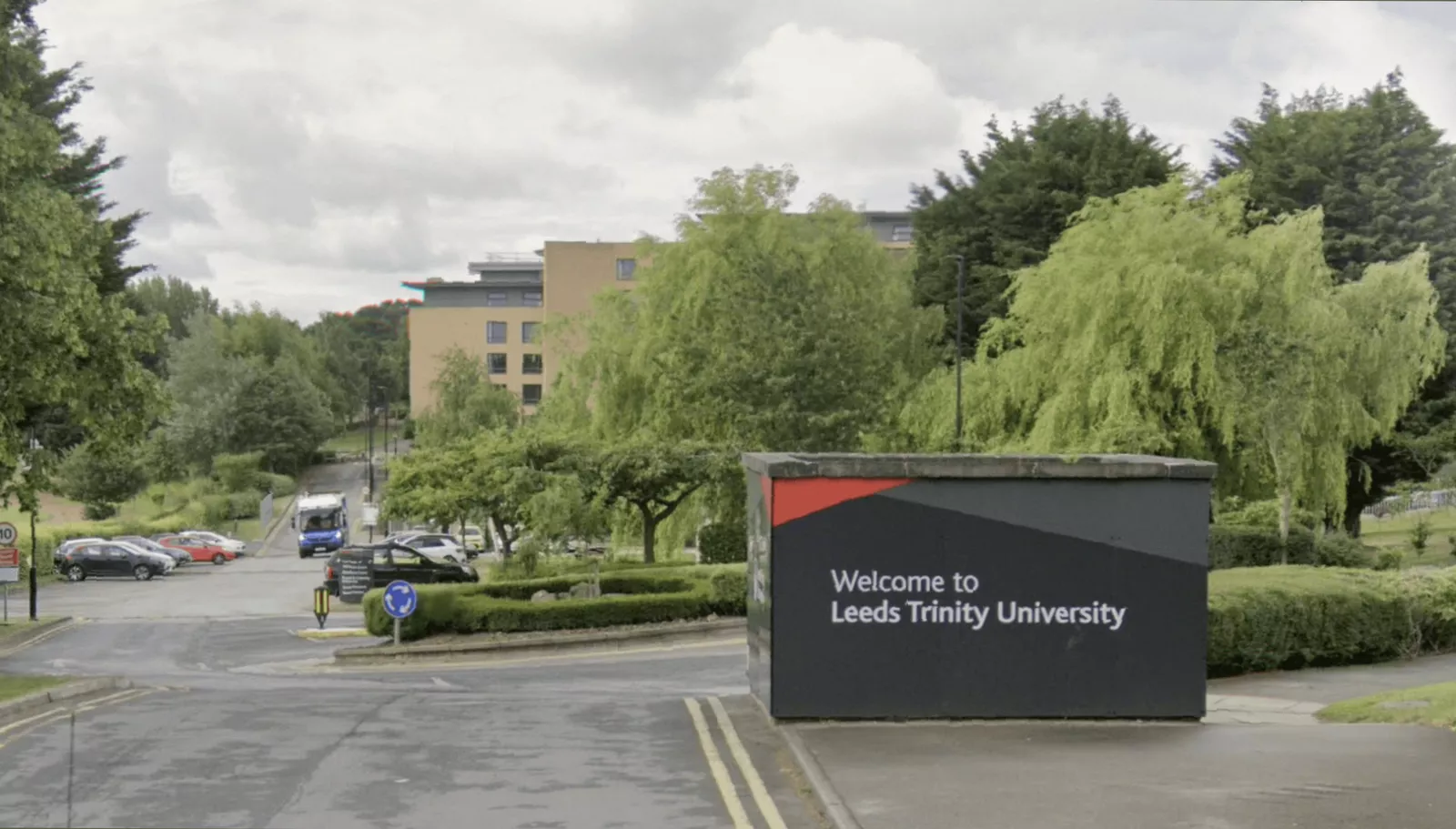
The universities involved include London Metropolitan, Bath Spa, Leeds Trinity, Southampton Solent, Oxford Brookes, and the University of West London.

The classification error
At the heart of the scandal is a technical but crucial distinction in how courses are registered. The Student Loans Company states that universities incorrectly classified weekend-only courses as “in-attendance” courses eligible for maintenance loans, when they should have been classified as “distance learning,” which does not qualify for such support.
According to the SLC, institutions failed to disclose that students “only attended on the weekend.” One SLC letter seen by the BBC reportedly stated: “Unfortunately, they didn’t tell us you only attended on the weekend.” The Department for Education has confirmed the issue arose from providers incorrectly registering the type of course.
Regulations dating back to 2011 state that courses requiring attendance only on weekends are considered distance learning. However, Universities UK, which represents 142 institutions, has argued the definition has been unclear and that they have been seeking clarification since December 2025. The DfE and SLC maintain the rules have always been clear.
Loan company demands repayment
The Student Loans Company, tasked with recouping the funds, said any overpayments must now be returned. An SLC spokesman stated that a “small number of providers” had incorrectly classified distance learning courses and are now working with the Department for Education to reassess eligibility.
The company has advised students facing financial difficulties to seek support. However, for many, the demand is immediate and overwhelming. Owen Dixon, founder of Best Student Halls, noted the situation adds to a “broader sense of instability” around student finance, which is already mired in debates over repayment thresholds and long-term affordability.
Universities react with ‘extreme concern’
Universities have reacted with anger to the sudden enforcement, criticising the handling of the situation. In a joint statement via Universities UK, they said they were “extremely concerned” by the “abrupt” decision to block payments and are seeking urgent clarification. Many are reportedly pursuing legal advice against the DfE and SLC.
In a bid to maintain future eligibility for their students, some institutions are attempting to adapt. Buckinghamshire New University and the University of Wales Trinity Saint David are offering additional weekday study hours to current weekend-only students. Others are trying to introduce weekday teaching or transfer students onto alternative courses.
Universities UK has stated that the rules “need clarifying and SLC should have better systems.” Crucially, these measures do not address the existing debts accrued from past loans, which students are still expected to repay.
Government points to ‘incompetence or abuse’
The government has placed the blame squarely on the institutions. Education Secretary Bridget Phillipson said: “This is not students’ fault. Too many organisations have let their students down, through either incompetence or abuse of the system.” She has accused universities of taking advantage of regulatory weaknesses and said they must act quickly to support those in financial difficulty.

The Department for Education has stated that some institutions failed to follow guidance, while others may have exploited loopholes. In a letter to providers in December, Ms Phillipson was explicit, stating that eligibility for maintenance loans “depends on regular in-person attendance” and that “Students whose attendance is limited solely to weekends will not meet the criteria.”
The NUS has warned that thousands could be plunged into poverty and has urged the Education Secretary to pause repayment plans, highlighting that trust in the student finance system is at an all-time low.
The scandal has erupted against a backdrop of wider criticism of the student loan system, including debates over above-inflation interest rates—which for post-2012 loans can reach RPI plus 3%—and frozen repayment thresholds. Some commentators have drawn parallels with past university fraud scandals and problematic franchising arrangements, areas where the DfE has previously tightened rules.
Amid the chaos, there are minor, isolated reprieves. Late on Wednesday, some students enrolled on a four-year acupuncture degree were told they would remain eligible for support, though the vast majority continue to face repayment demands with mid-April deadlines looming over their academic futures.