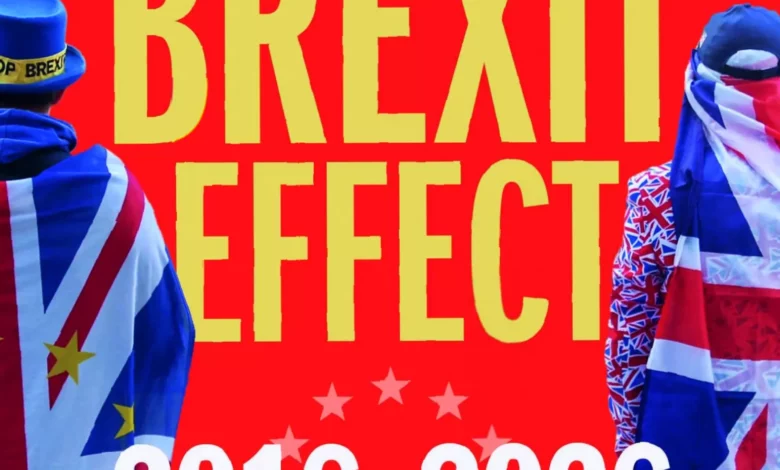
A new book, The Brexit Effect: 2016-2026, edited by Sir Anthony Seldon and published by Cambridge University Press, is set to expose explosive behind-the-scenes rows from the events that led to Britain’s decision to leave the European Union, with the serialisation beginning today. The volume, featuring essays by 41 prominent figures from both the Leave and Remain camps—several of whom have never commented publicly before—promises dramatic disclosures about the chaotic manner in which Brexit unfolded and who senior figures hold responsible for what has gone wrong since.
Among the revelations are alleged foul-mouthed comments by Boris Johnson directed at Theresa May, a horrified reaction to the referendum result from former US president Barack Obama, and bitter recriminations among Brexiteers themselves. One account, from Sir Conor Burns—former parliamentary private secretary to Johnson—suggests that May’s decision to appoint Johnson as Foreign Secretary was a deliberate move to “shaft” him, despite the role being widely seen as a plum job. Johnson himself is quoted having been critical of May’s Brexit strategy, calling her plans “crazy” and accusing her of orchestrating a “phoney Brexit”; he reportedly urged her to “channel Moses” and tell the EU to “let my people go.”
Barack Obama’s reaction to the 2016 result is also detailed in the book. Obama had previously warned that the UK would go to the “back of the queue” for US trade deals if it left the EU, and his horrified response underscores the deep concern at the highest levels of international diplomacy. The candid accounts extend to internal disputes among Leave campaigners, revealing a fractured movement even after securing victory.
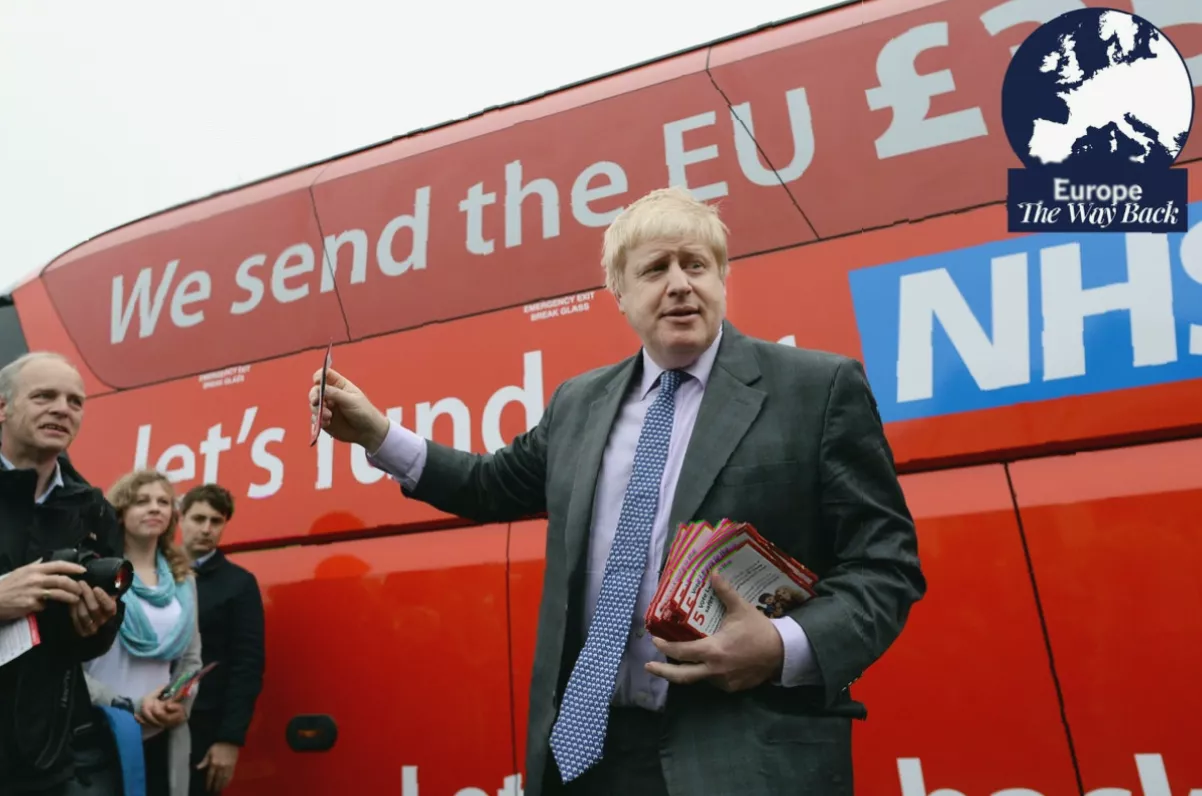
The book’s contributors come from the highest levels of public life across politics, diplomacy, academia, the church and beyond. The list includes former MP Steve Baker, ex-Cabinet Secretary Simon Case, political scientist John Curtice, economist Paul Johnson, ex-Foreign Secretary David Miliband, ex-Cabinet minister Emily Thornberry, lawyers Marina Wheeler and Jonathan Sumption, and former Archbishop of Canterbury Rowan Williams. Taken together, their essays examine not only the referendum campaign itself but also the decade of fallout that followed—the economy, immigration, trade, sovereignty, Britain’s place in the world, educational links, social cohesion and culture. The book aims to assess whether the claim of the Brexiteers, emblazoned on their famous red bus, proved true, and to what extent the dire warnings of those who opposed them came to fruition.
Anniversary and a new campaign
Publication of The Brexit Effect coincides with the tenth anniversary of the historic referendum on 23 June 2016, in which 51.9% of voters chose to leave the EU. The official departure date was 31 January 2020, with the transition period ending on 31 December that year. The Windsor Framework subsequently came into effect on 1 October 2023, revising the Protocol on Northern Ireland. Experts note that the Trade and Cooperation Agreement avoided tariffs but did not preserve the previous relationship within the single market and customs union, and that the UK economy has been made smaller than it otherwise would have been, with a gradual drag on trade, investment and productivity due to increased costs of doing business with the EU.
The anniversary has prompted growing calls from senior politicians for the UK to rejoin the bloc. Labour leadership hopeful and former health secretary Wes Streeting has publicly advocated for eventual re-entry, describing Brexit as a “catastrophic mistake” and insisting that “Britain’s future lies with Europe.” This stance has sparked internal debate: Labour figure Lisa Nandy called his comments “odd,” while other potential leadership contenders such as Andy Burnham have expressed a long-term case for rejoining but are not campaigning on the issue in immediate by-elections. Business and trade minister Peter Kyle has stated that rejoining would not “magically solve” Britain’s problems, and some sources suggest the EU itself is hesitant about a “second marriage” after what it considers a painful divorce.
The serialisation of Seldon’s book is part of a new campaign by The Independent titled Europe: The Way Back, which aims to explore how Britain can rebuild its shattered links with Europe. The campaign will include news, analysis, interviews and live events examining the effect Brexit has had on every aspect of life, and will answer key questions about whether the country is better or worse off—not only in monetary terms—as a result of cutting ties with Brussels. The Independent states that the debate about Europe is not over and has entered a new phase, and it will establish a fair picture of Britain ten years on from the referendum and where the country should go from here.
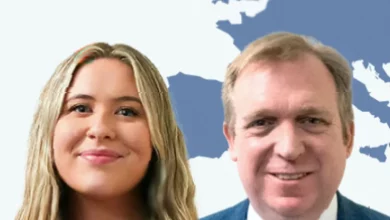
Readers can sign up to a free weekly newsletter—delivered every Wednesday by political editor David Maddox and political correspondent Millie Cooke—offering exclusive reporting, analysis and insight on the biggest developments shaping relations between Britain and Europe. Subscribers to the premium service gain access to extracts from The Brexit Effect, along with invitations to live events, webinars, expert Q&As and podcast recordings. The paperback edition of the book is published by Cambridge University Press at £16.99, with a publication date of 18 June 2026.