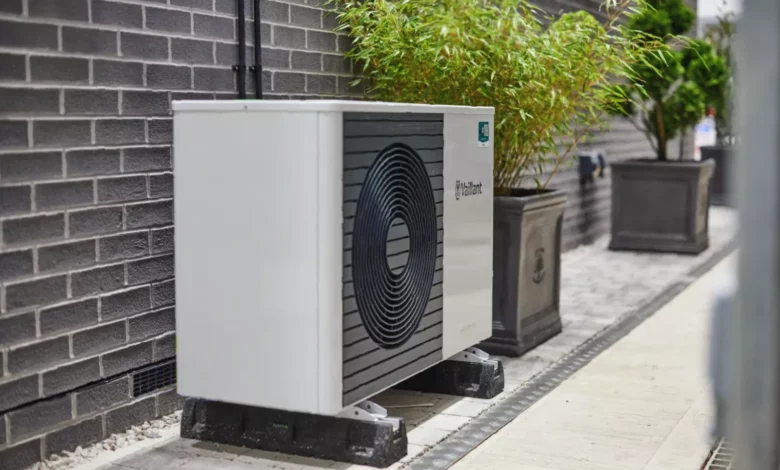
Claims that the government’s flagship heat pump grant scheme is predominantly subsidising wealthier households are based on official figures, but statistical experts and national data suggest the comparison being drawn is flawed and the full picture is more complex.
The Claim and Its Source
Reform UK Treasury spokesman Robert Jenrick this week stated: “More than half of the grants (for heat pumps) are going to households that earn more than £52,000-a-year – so some of the lowest-earning people in the country are paying for better-off people to have them.” This claim is drawn directly from a government interim evaluation report of the Boiler Upgrade Scheme (BUS), published in January 2025.
The report, based on a survey of grant recipients, stated that 57% of households which had benefited from the scheme had an annual household income of more than £52,000 before tax. This percentage excludes the 17% of survey respondents who chose not to disclose their income. Looking only at those who answered, 57% reported an income at or above £52,000, while 43% were below that threshold.
A Problematic Comparison
The government’s own report described this 57% figure as “high” compared to the “median national household income of £32,300“. However, this comparison is between two fundamentally different measures of income.
The BUS survey asked households for their total approximate income “before tax and any other deductions”. The £32,300 figure, sourced from Office for National Statistics (ONS) data for the year ending March 2022, refers to median household disposable income—the amount left after direct taxes like Income Tax and National Insurance have been paid. The ONS has since revised this disposable income figure to £32,400.
The Department for Energy Security and Net Zero (DESNZ) told the Press Association it used the disposable income figure for comparison because it was a median, providing a middle-point benchmark. It also noted the BUS’s predecessor, the Renewable Heat Incentive, used pre-tax income in its evaluations.
What Official Statistics Show
The ONS advised that a more appropriate, though still imperfect, comparison would be with gross household income figures, which are calculated before direct taxes. According to ONS data for the year ending March 2022, the mean (average) gross household income was £63,549. For households living in a home they own, the mean gross income was higher, at £73,842.
Critically, the ONS does not publish a median figure for gross household income, nor does it publish gross income ranges. The mean figures can be significantly skewed upwards by a small number of very high earners, making them less representative of a typical household’s situation than a median. Consequently, the ONS itself indicates there is no official statistic that provides a direct, reliable comparison for the £52,000 pre-tax data point from the BUS survey.
The Boiler Upgrade Scheme in Detail
Launched in May 2022, the BUS provides grants to homeowners in England and Wales to install low-carbon heating systems, with the vast majority supporting heat pumps. The grant offers £7,500 towards an air source or ground source heat pump, and £5,000 for a biomass boiler. The scheme has been extended until April 2028.
To qualify, applicants must be replacing an existing fossil fuel heating system and have a valid Energy Performance Certificate (EPC) with no outstanding recommendations for loft or cavity wall insulation. The scheme is administered by Ofgem.
The latest government data shows the BUS has supported the installation of over 49,000 systems since its inception, with air source heat pumps accounting for approximately 97% of grants paid. Around 75% of installations replaced fossil fuel systems, most commonly gas boilers.
Costs, Savings and the Wider Debate
The average cost of installing an air source heat pump is estimated to be between £7,000 and £15,000 before the grant, potentially bringing the net cost to the homeowner down to as little as £5,000. Ground source heat pumps are more expensive, with installation often costing £24,000 or more.
Running costs are a key factor. On average, switching from a gas boiler to a heat pump can trim around £290 a year from energy bills, according to analysis, though savings are more significant for those replacing oil, LPG, or electric heating. Heat pumps are highly efficient, typically generating three to four units of heat for every unit of electricity consumed.
Reform UK has pledged to scrap the BUS, arguing it benefits affluent homeowners and that the savings should be used for tax cuts and reducing green levies. Energy analysts have warned that abandoning such schemes could increase the UK’s reliance on volatile global gas markets.
The political debate over the scheme’s fairness occurs alongside broader changes in energy policy. Reforms to Energy Performance Certificates (EPCs), which assess a home’s efficiency, have been delayed until the second half of 2027.
Ultimately, while the claim that a majority of BUS grants go to households earning over £52,000 is rooted in a government survey, there is no reliable like-for-like official data with which to compare this figure and assess its true significance against national income distribution. The complexity of income metrics underscores the difficulty of making definitive statements about the scheme’s demographic reach based on the currently published data.