
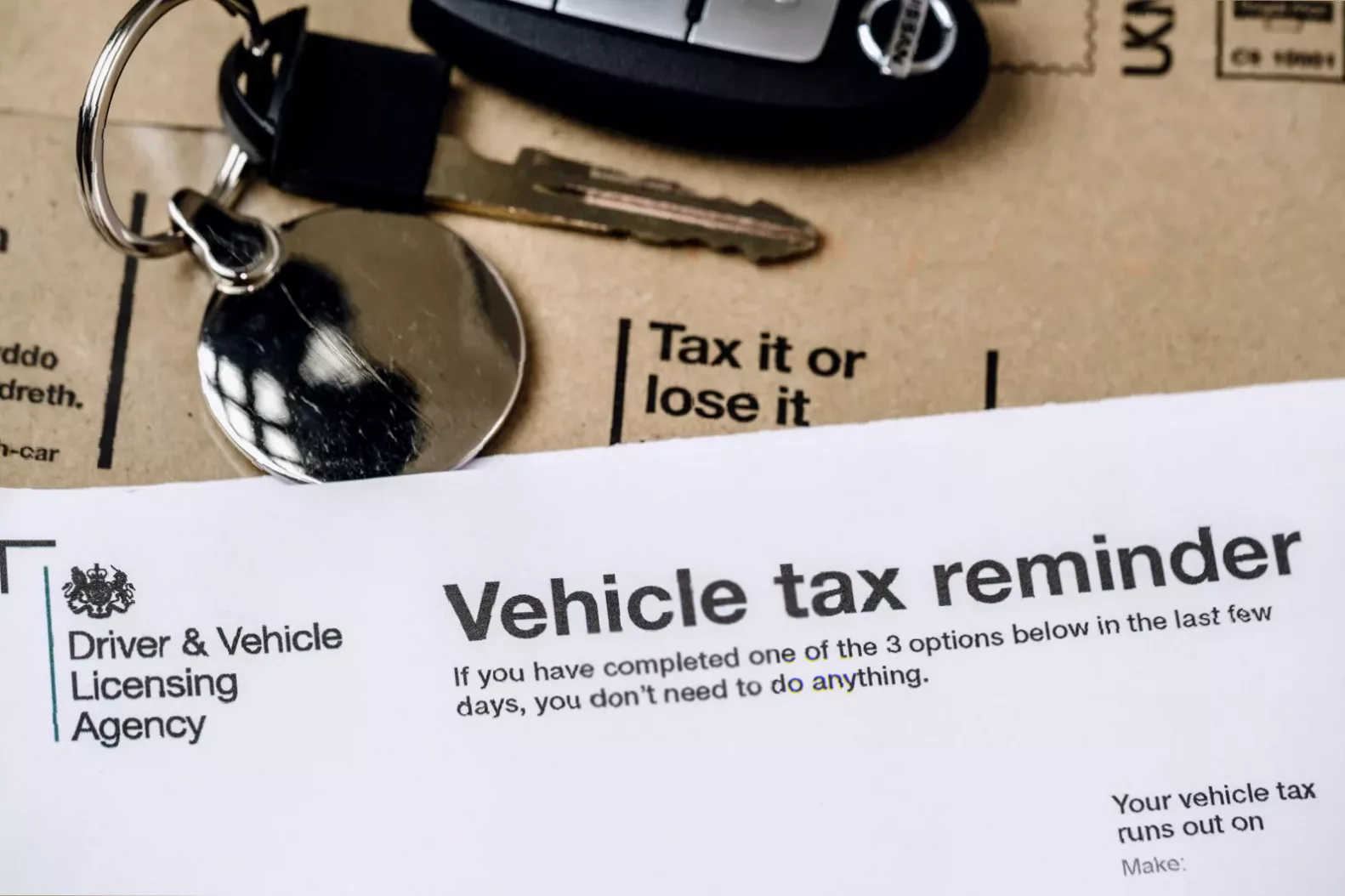
Millions of UK drivers will see their annual car tax bills rise from next month as part of a series of changes designed to adapt the tax system to modern motoring and address lost revenue from fuel duty.
The increases, which take effect from 1 April 2026, will see Vehicle Excise Duty (VED) rates rise broadly in line with RPI inflation, affecting owners of petrol, diesel, hybrid, and electric vehicles. The Government has now published the detailed rates, allowing motorists to calculate their new costs.
Older Vehicles Face Direct CO2-Linked Increases
A significant portion of the changes applies to the millions of cars registered between 1 March 2001 and 1 April 2017, which are taxed based on specific CO2 emission bands. For these vehicles, the tax increase is not a blanket rate but varies according to environmental impact.
Owners of the least polluting cars in Bands A, B, and C (emitting up to 120g of CO2 per kilometre) will see no increase, with their annual VED remaining at £20. However, costs will rise for all other bands. The largest increase is reserved for the most polluting vehicles: drivers of cars emitting over 255g/km (Band M) will see their annual bill rise from £760 to £790. Those in Band L (226-255g/km) will pay £760, up from £735.

For other bands, typical increases range from £5 to £15. For example, Band D (121-130g/km) rises from £165 to £170, while Band K (201-225g/km) increases from £430 to £445.
Electric Vehicles Lose Exemptions and Face New Charges
The changes mark a significant shift in the taxation of electric vehicles (EVs), ending the era of zero VED. New EVs registered from April 2025 already pay a £10 first-year rate, followed by the standard annual rate. From April 2026, the standard rate for most cars registered after April 2017, including EVs, will rise from £195 to £200.
EVs registered between April 2017 and March 2025, which have been paying £195, will see their renewal cost rise to £200. Older EVs registered before April 2017 will continue to pay the lower rate of £20.
In a move that will benefit some EV buyers, the government is also adjusting the Expensive Car Supplement, often called the luxury car tax. From April 2026, the threshold at which this £425 annual supplement kicks in will rise from £40,000 to £50,000 for electric cars. This change is retrospective for EVs purchased on or after 1 April 2025, meaning those priced between £40,000 and £50,000 will no longer face the extra charge for five years from the vehicle’s second year.
Company Car Tax and Discouraging High Emissions
The tax burden is also increasing for users of company vehicles. The Benefit-in-Kind (BiK) rate for electric company cars will rise from 3% to 4% from 6 April 2026, leading to slightly higher monthly tax deductions for employees based on the car’s value.
Furthermore, the government is implementing steep increases to the first-year VED rates—the so-called “showroom tax”—for new, high-emission cars. The aim is to discourage their purchase. From April, the first-year rate for a new car emitting over 255g/km CO2 will be £5,690, an increase of £200. An average new petrol car (around 143g/km) will incur a £560 first-year charge, while an equivalent diesel (around 164g/km) will face £1,360.
Other measures confirmed by Chancellor Rachel Reeves in the Autumn Budget include an inflation-linked increase in VED for heavy goods vehicles and the heavy goods vehicle levy from April 2026. In a positive change for voluntary services, search and rescue vehicles will be exempted from VED entirely from April 2027, a move expected to save teams around £2,000 per vehicle annually.
The Future: A Pay-Per-Mile Tax for Electric Vehicles
Looking further ahead, the government has confirmed the introduction of a fundamental new tax for electric and plug-in hybrid vehicles. From April 2028, the Electric Vehicle Excise Duty (eVED) will charge drivers based on mileage.
Under the new system, fully electric vehicles will be charged 3 pence per mile, while plug-in hybrid vehicles (PHEVs) will pay 1.5 pence per mile. The government states these rates are approximately half the fuel duty paid by drivers of petrol and diesel cars. For an average EV driver covering 8,000 miles a year, this would mean an additional annual cost of around £240 on top of the standard VED.
The Treasury has stated that the system will not require in-car tracking devices. Instead, mileage is expected to be checked around the time of a vehicle’s first and second registration anniversaries. These per-mile rates will then be uprated in line with inflation from the 2029-30 financial year onwards.