The global oil market is facing its most severe shock in two years, with prices surging past $100 a barrel, as geopolitical conflict in the Middle East collides with starkly divergent approaches between Western allies on how to handle Russia.
Brent crude, the international benchmark, soared this week, at one point reaching $126 a barrel, its highest level since 2022. The immediate catalyst is Iran’s effective blockade of the Strait of Hormuz, a retaliatory move following US and Israeli strikes on February 28. This vital waterway normally carries approximately 20% of the world’s daily oil supply, and its closure represents an “unprecedented scale” of market challenge, according to the International Energy Agency (IEA).
Atlantic Divide on Russian Sanctions
As the crisis deepens, a clear fissure has opened between London and Washington. In what it calls a “narrowly tailored, short-term measure,” the US Treasury Department has announced a temporary 30-day waiver allowing countries to purchase Russian oil “currently stranded at sea.” Treasury Secretary Scott Bessent stated the move aimed to “increase the global reach of existing supply” and stabilise energy markets, arguing it “will not provide significant financial benefit to the Russian government.”
This decision has been met with firm opposition from the UK. Energy Minister Michael Shanks stated unequivocally that “the UK Government will not be loosening sanctions on Russia at all.” He emphasised this was a “critical moment” in the conflict and that the UK must “make sure that we are bringing all pressure to bear on Russia so that we can win this war in Ukraine.” A Downing Street spokesperson reinforced the point, stating that “all partners should maintain pressure on Russia and its war chest.”
The US waiver applies to an estimated 100 to 124 million barrels of Russian crude already in transit. However, European allies fear any easing undermines the concerted effort to deprive the Kremlin of revenue. Russia has been using a “shadow fleet” of third-party tankers to circumvent Western sanctions, and the UK has vowed to continue targeting this practice.
The Russia-Iran Nexus
Senior UK ministers have drawn direct links between the two geopolitical crises, accusing Moscow and Tehran of a coordinated economic assault. Foreign Secretary Yvette Cooper, speaking during a visit to Saudi Arabia, accused Russia and Iran of attempting to “hijack the global economy,” citing longstanding connections on technology and tactics.
Defence Secretary John Healey went further, suggesting Russian President Vladimir Putin’s “hidden hand” may be behind Iran’s drone warfare tactics, noting that Iranian operators are increasingly adopting Russian methods. He explicitly stated that Putin is “benefiting from sky-high oil prices at the moment,” as the increased revenue helps fund his war in Ukraine. Analysis is reportedly underway on an Iranian drone that struck a UK base in Cyprus for evidence of Russian components.
The economic rationale is clear for Moscow. With oil prices skyrocketing due to the Middle Eastern conflict, Russia stands to gain significantly, even with sanctions in place. Iran’s new supreme leader, Mojtaba Khamenei, has vowed to continue blocking the Strait of Hormuz, a stance that analysts warn could push oil prices to $150 per barrel or higher if prolonged.
Global and Domestic Repercussions
In response to the market turmoil, the IEA has coordinated a record release of 400 million barrels of oil from emergency reserves—more than double the amount released after Russia’s invasion of Ukraine in 2022. The UK has pledged 13.5 million barrels from its stocks. While this may offer temporary relief, the disruption threatens global supply chains far beyond oil, with shortages of fertiliser, critical minerals, and helium already being felt.
Domestically, the UK government is moving to shield consumers from immediate price shocks. Chancellor Rachel Reeves and Energy Secretary Ed Miliband are meeting with fuel retailers and energy suppliers with a stark warning against profiteering. Reeves stated she “will not tolerate” firms exploiting the situation and has asked the Competition and Markets Authority to stay on “high alert” for “unjustifiable” price hikes.
The impact is already being felt. The Iran conflict is estimated to be costing UK motorists £15 million a day in extra fuel costs, with average unleaded petrol prices nearing 140p per litre and diesel over 157p. The government is promoting its Fuel Finder service to help drivers locate cheaper petrol stations. Particular concern surrounds users of home heating oil, which is not covered by the Ofgem price cap, with ministers promising intervention against unfair practices.
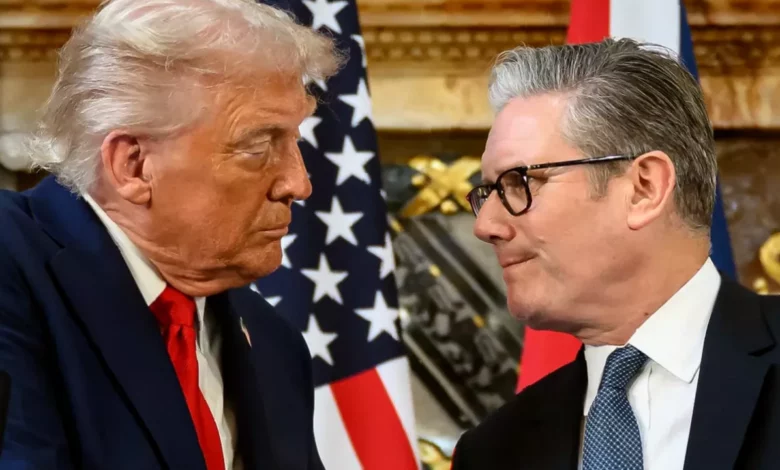
Prime Minister Keir Starmer, whose initial response to the Middle East conflict faced criticism from US President Donald Trump and others, said he was working to “de-escalate the situation” and coordinating with world leaders on oil supply. The UK has provided military support in the region, including defensive operations and the deployment of RAF assets and HMS Dragon.