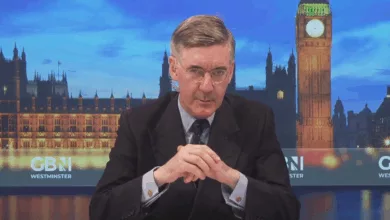
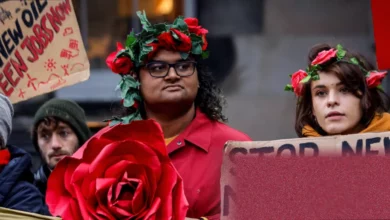
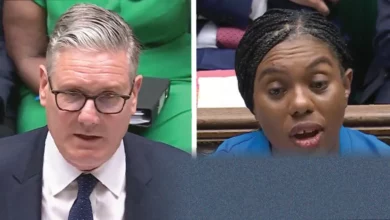
Clarkson accuses Polanski of supporting violent antisemitic thug over Golders Green police criticism

Jeremy Clarkson has publicly ridiculed Green Party leader Zack Polanski’s physical appearance and political views, branding him unelectable and accusing him of siding with a “violent antisemitic thug” over the police who arrested the suspect in last week’s Golders Green terror attack.
Writing in his column for The Sun, Clarkson expressed his “bewilderment” at Polanski’s response to the stabbing of two Jewish men in north London on 29 April, a incident that has been declared terrorism by the Metropolitan Police. The former Top Gear host focused first on what he characterised as Polanski’s misguided statements, before unleashing a series of personal attacks that drew mockery and scorn.
Clarkson’s criticism of Polanski’s public statements
Clarkson seized on Polanski’s decision to reshare a post on X that alleged police officers involved in the arrest of suspect Essa Suleiman were “repeatedly and violently kicking a mentally ill man in the head when he was already incapacitated by Taser”.
“He castigated those policemen who tackled the knife-wielding thug in London,” Clarkson wrote. “He’s so right-on and so down with the ‘Gram as he pursues the teenage vote that he’s going to side with a violent antisemitic thug rather than the policemanists who arrested him.”
Polanski later apologised for sharing the post “in haste”, acknowledging that social media was not the “appropriate channel” for raising such concerns. He maintained, however, that police should not be above scrutiny, telling Sky News: “I think you can both recognise the bravery of officers who run towards incidents that most of us, including myself, would certainly want to run away from, and find the appropriate forum to say that no one, especially the police, should be above scrutiny.”
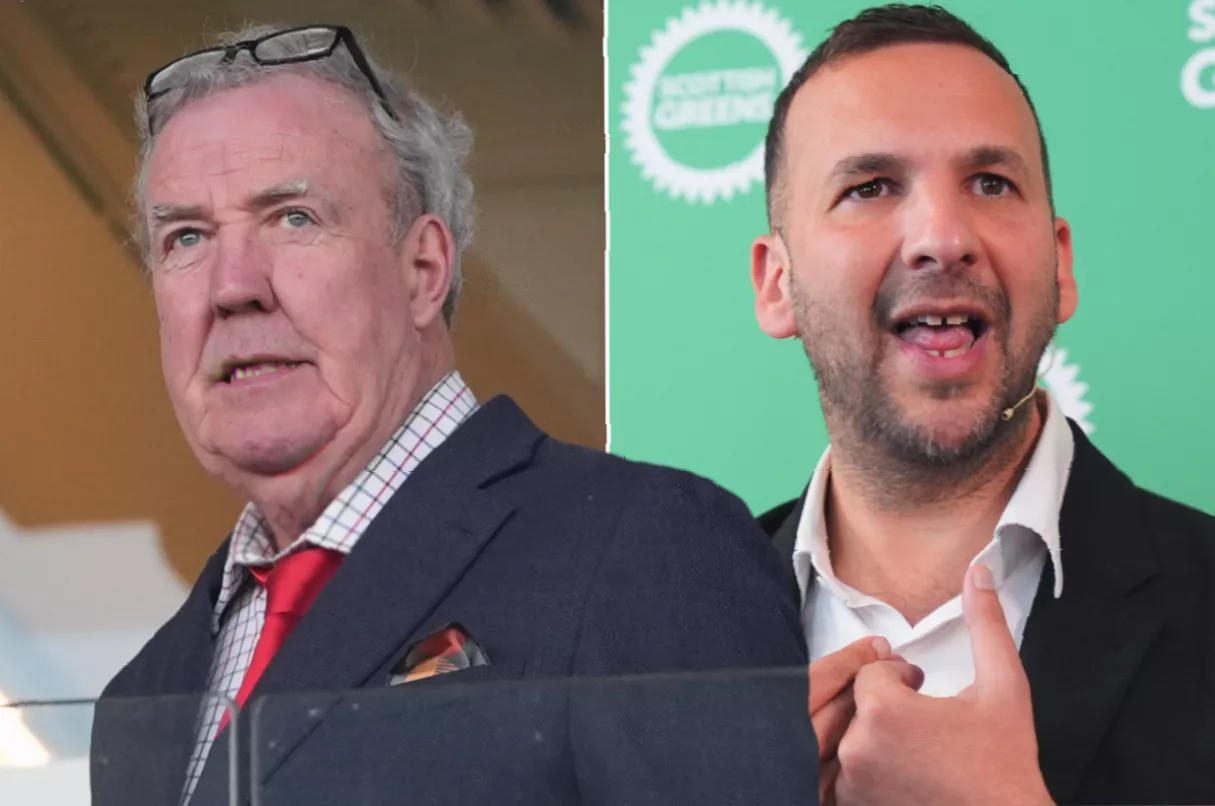
The Green Party leader has also criticised Metropolitan Police Commissioner Sir Mark Rowley for sending him an open letter about the controversy, describing it as an inappropriate way to conduct political discourse during local elections. Rowley, in his letter, accused Polanski of sharing “inaccurate and misinformed commentary” that “undermines officer confidence to act” and contributes to “rising tensions”. Rowley defended the officers’ actions as “nothing short of extraordinary” given the dangerous circumstances, including the fear that Suleiman might have carried an explosive device. He denied his letter was a political intervention, insisting he was defending his officers’ ability to perform their duties.
Prime Minister Sir Keir Starmer also condemned Polanski’s actions as “disgraceful” and said the Green Party leader was “not fit to lead any political party”. Anthony Slaughter, the Green Party’s leader in Wales, called the repost “inappropriate” and “divisive”.
Personal attacks on Polanski’s appearance
Turning from policy to person, Clarkson mocked Polanski’s physique and suitability for public office. “I do wish people would stop touting Zack Polanski as a serious contender in the next election. He isn’t. My donkey is more likely to get elected,” he wrote.
He added: “The man isn’t even built properly — a point that becomes clear if you watch that social media gif of him running through a conference hall. Tom Cruise he is not. It’s like his arms are where his legs should be and vice versa and as a result, he has the stupidest running style I’ve ever seen.”
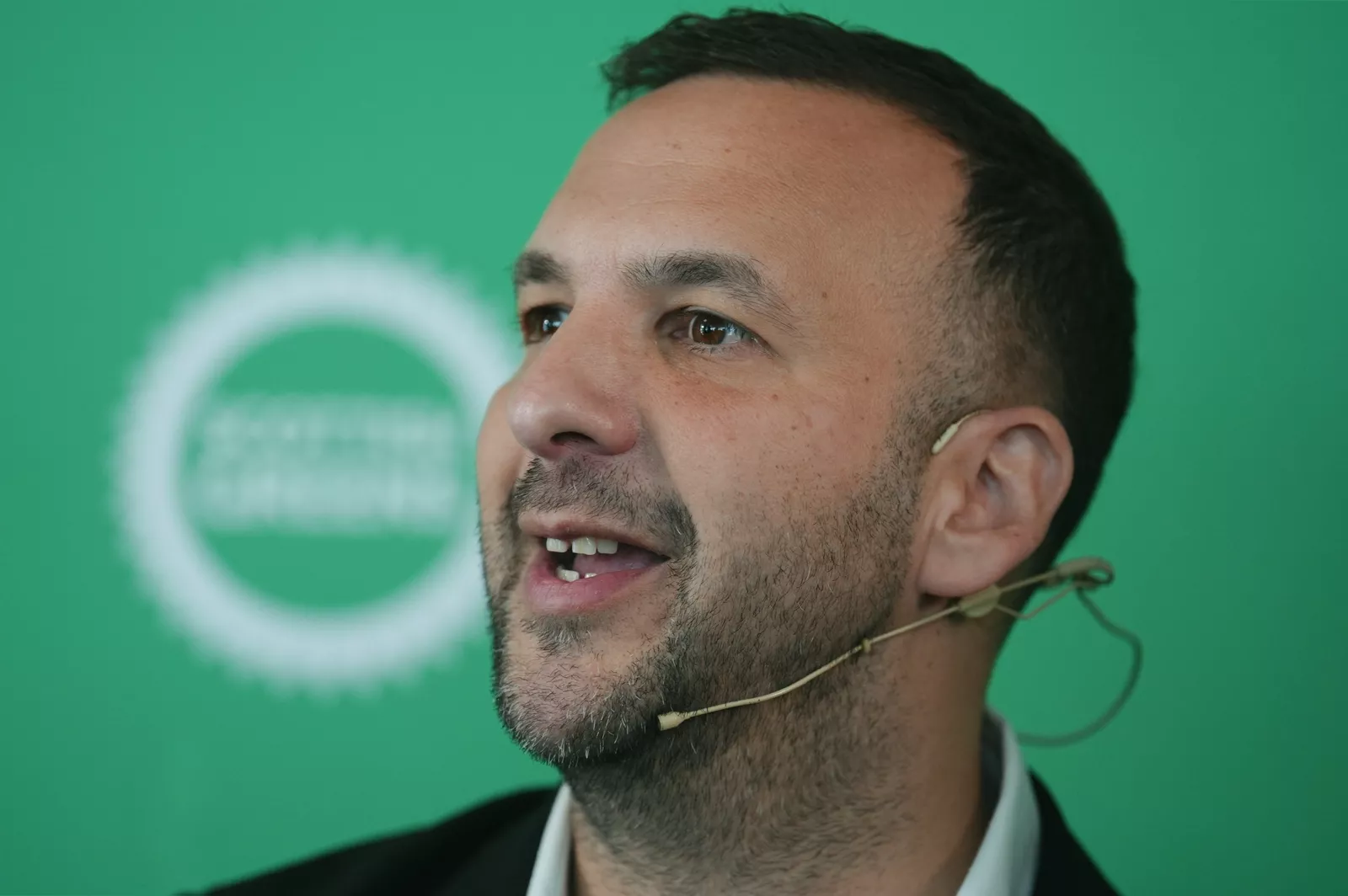
This is not the first time Clarkson has publicly disparaged Polanski. He previously referred to the Green leader as a “snaggle-toothed vegan” and mocked his “silly walk” as well as the party’s policies, including drug reform proposals.
Context of the Golders Green terror attack
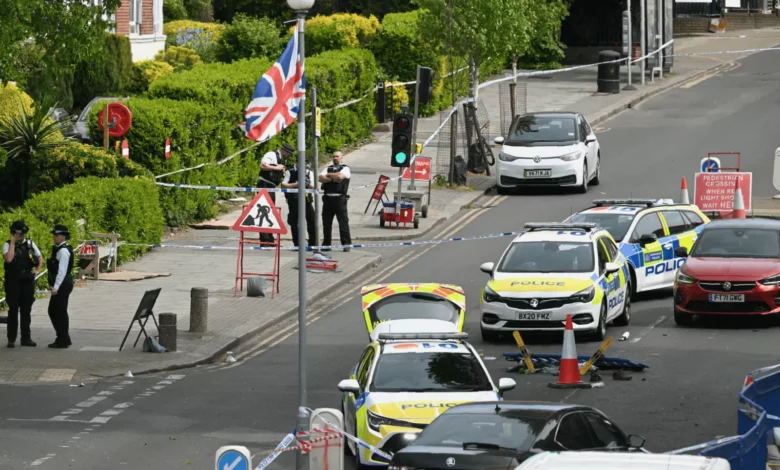
The stabbing attack on 29 April left two Jewish men seriously injured. Shloime Rand, 34, was stabbed in the chest, puncturing his lung; he has since been discharged from hospital. Moshe Shine, 76, who was reportedly wearing a kippah at the time, was stabbed in the neck and remains in stable condition.
The suspect, 45-year-old Essa Suleiman, a British national born in Somalia who came to the UK as a child, was subdued by police using a stun gun and arrested. He has been charged with three counts of attempted murder and one count of possessing a knife in a public place. He also faces a third count of attempted murder in connection with an alleged attack on Ishmail Hussein in Southwark earlier the same day. Suleiman appeared at Westminster Magistrates’ Court on Friday and was remanded in custody.
Counter-terrorism police confirmed that Suleiman had been referred to the government’s Prevent counter-terrorism programme in 2020, but his case was closed within the same year.
In the wake of the attack, the UK’s national terrorism threat level was raised from “substantial” to “severe”, meaning an attack is “highly likely”. The increase reflected not only the Golders Green incident but also a broader rise in threats from both Islamist and Extreme Right-Wing terrorism, as well as increased state-linked threats. The elevated threat to Jewish and Israeli individuals and institutions has been specifically noted.
The Iran-linked group Ashab al-Yamin (also known as Harakat Ashab al-Yamin al-Islamia) has claimed responsibility for the attack, calling it “heroic” and urging further attacks against Jews. Counterterrorism officials are examining the group’s alleged links to Iran.
Separately, Conservative leader Kemi Badenoch has demanded a moratorium on pro-Palestinian marches, arguing they are “creating a climate that is normalising a hatred towards Jews” and are used as a “cover for violence and intimidation against Jews”. The Metropolitan Police and Greater Manchester Police announced in December they would adapt their approach to the “globalise the intifada” slogan, which is regarded by many as a call for violence against Jews. The British Society for Middle Eastern Studies (BRISMES) has expressed concern that arrests for using the phrase criminalise political speech.