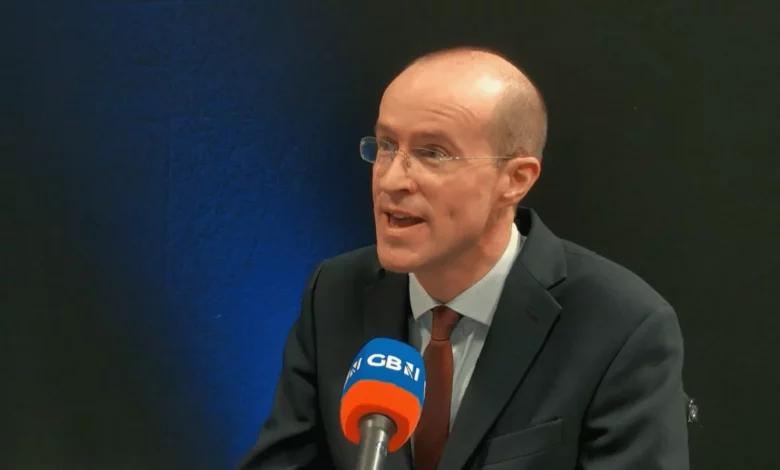
Rejoining the European Union would impose an annual bill of approximately £22 billion on the UK, a figure calculated by the architect of the victorious Brexit campaign. Lord Elliott of Mickle Fell, formerly Matthew Elliott, the chief executive of Vote Leave, stated the substantial cost would be a defining feature of any renewed membership, dwarfing the budget for critical domestic services like prisons.
The £22 Billion Price Tag
Lord Elliott’s estimate is derived from the UK’s final financial commitment as a member state, adjusted for subsequent inflation and the pivotal loss of the British rebate. He explained that in 2020, the UK’s gross contribution to the EU budget was approximately £17 billion. Applying inflation to that amount brings it to around £22 billion in today’s terms.
The calculation hinges on the assumption that the UK would not secure the special rebate, a mechanism established in 1985 that historically reduced the nation’s net contribution. The rebate was complex, but its effect was significant; in 2014, for instance, it reduced the UK’s national contribution by 35%, amounting to a reimbursement of over €6 billion that year. Between 1985 and 2014, the UK was reimbursed more than €111 billion through this mechanism. Losing it upon re-entry, Lord Elliott argues, would mean the Treasury facing the full, inflation-adjusted gross contribution.
This projected £22 billion annual fee starkly contrasts with the UK’s average net contribution in the years preceding Brexit. According to HM Treasury figures, the UK’s average net contribution between 2014 and 2018 was £9.6 billion per year. In 2018, the net contribution was £11.0 billion, or £8.6 billion on a wider measure of financial flows. The European Commission estimated the 2020 net contribution to be around £11.5 billion.
Public Appetite for Rejoining
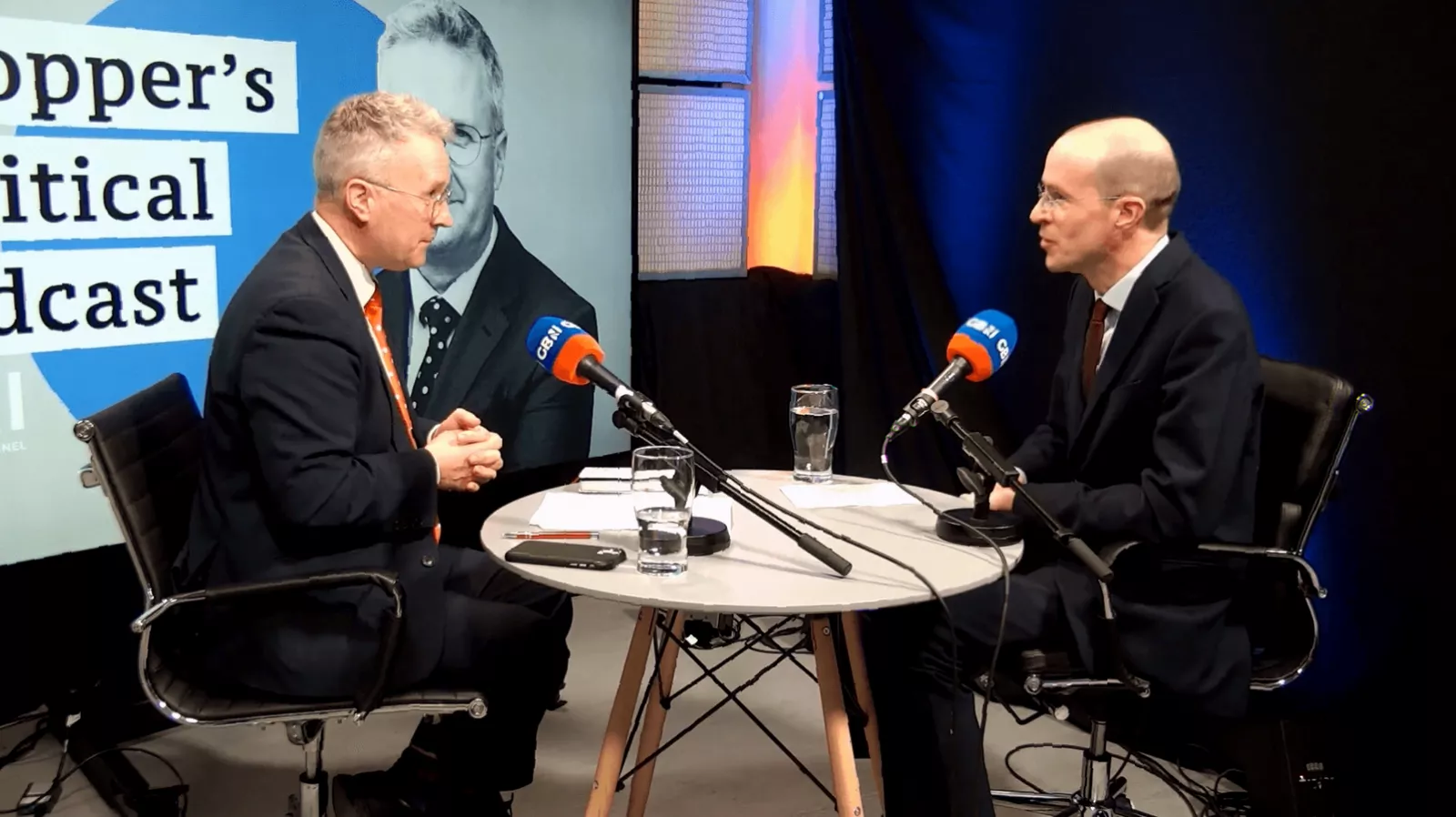
Alongside the financial argument, Lord Elliott pointed to polling which, he claims, indicates a lack of public desire to re-enter the bloc. “The polling I look at shows that people don’t want to rejoin,” he told GB News’ Chopper’s Political Podcast. He acknowledged that polls repeatedly suggest public concern about the cost and impact of the original decision to leave a decade ago, but insisted the appetite for full reversal is not there, with voters “still worried about the cost of rejoining.”
The Economic Argument Over Brexit’s Impact
The debate over cost feeds into a wider, fiercely contested economic argument about the consequences of Brexit itself. Lord Elliott directly challenged claims made by Chancellor Rachel Reeves that leaving the EU has cost the UK 8% in economic growth. He questioned the accuracy of this figure, suggesting it was derived from “a combination” of the economies of the US and Estonia. “What they really should pick is basically France and Germany. And actually we’ve outperformed France and Germany,” he argued.
His critique touches on a deeply divided economic analysis. Chancellor Reeves has consistently argued that Brexit has damaged the UK’s growth, inflation performance, and trade, advocating for closer economic ties. This view finds some support in analyses suggesting UK GDP growth has lagged behind comparable countries since 2016, and from institutions like the Office for Budget Responsibility and the Bank of England, which have indicated Brexit has had a significant negative economic impact.
However, other data, including from the OECD, shows that since 2016, real GDP growth in the UK (12.5%) has been faster than in France or Italy, and substantially faster than in Germany or Japan, with only the USA and Canada expanding faster among G7 nations.
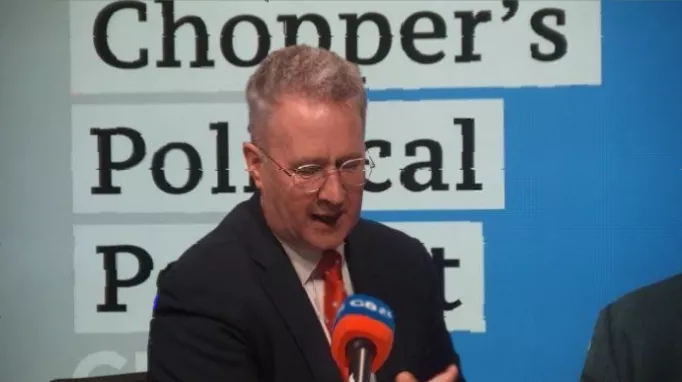
This perspective was firmly rejected by Sir Ed Davey, leader of the Liberal Democrats, who is a staunch critic of Brexit. Appearing on the same podcast, Sir Ed argued for rejoining the EU’s customs union, stating, “People want to see trade increased and they want to see our businesses have reduced costs because unfortunately there’s a lot of bureaucracy that’s come with Brexit.” He described “lots of red tape, lots of delays, lots of extra costs” as bad for business, trade, jobs, and Treasury revenue, concluding, “So we’ve got to reverse that I think.”
The financial context of the UK’s separation also continues. The post-Brexit settlement with the EU is forecast to cost around £30-35 billion, with the UK having paid £23.8 billion of an estimated £30.2 billion by December 2023. Final payments are projected to extend for decades, a lingering fiscal legacy of the departure Lord Elliott helped to engineer.