The Scottish Greens have launched a bold manifesto pledge to abolish homework for all primary school children, aiming to trigger a fundamental reimagining of the country’s education system.
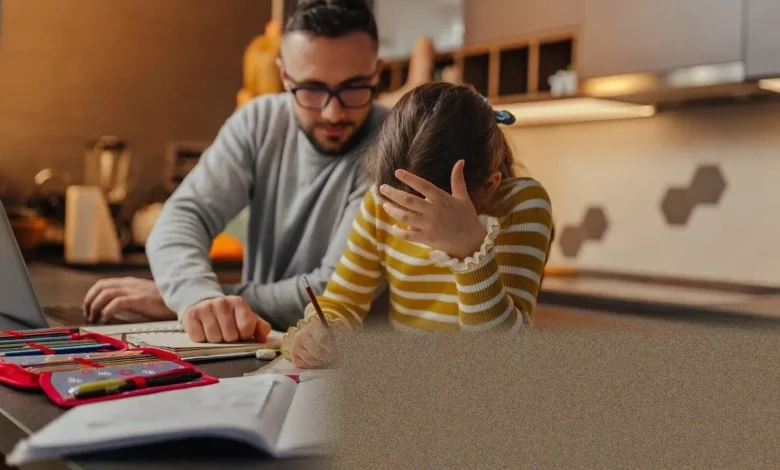
Setting out their platform for the Holyrood election, the party argues the policy would free younger pupils to learn through play and exploration, contending that traditional homework provides “little, if any, proven benefit” and can actively harm a child’s engagement with education.
The case for ending the ‘homework dread’
Scottish Greens co-leader Ross Greer stated the evidence suggests primary homework may cause more harm than good. “It can dampen rather than encourage curiosity, turning education into something to dread rather than love,” he said. The party’s position, also pledged in their 2021 manifesto, is that young children require time after school for play, exploration and socialising—activities they say are valuable learning experiences in their own right but are disrupted by set tasks.
The Greens further argue that homework can exacerbate inequality, disadvantaging pupils who lack access to technology, learning resources or a supportive home environment. They also cite research indicating homework can contribute to anxiety and mental health issues, while widening the attainment gap.
Mr Greer linked the issue to a broader problem of an “excessively crowded” primary curriculum, which he said puts pressure on teachers to assign more homework simply to cover all required material. “That isn’t the solution though, fixing the curriculum is,” he said, rejecting the maintenance of homework purely as established practice. The party’s philosophy aligns with student-centred approaches like the Reggio Emilia model, which values play and child-directed exploration, and has influenced some early years centres in Scotland.
Reforming a ‘Victorian-era’ exam system
Alongside scrapping primary homework, the Greens propose significant changes to secondary assessment, aiming to reduce the emphasis on high-stakes final examinations. They describe the current setup as a “Victorian-era system” that is not a “fair or accurate way of measuring a young person’s knowledge or abilities.”
The party advocates for a greater reliance on continuous assessment, where work throughout the year contributes more to final grades. They argue this approach is fairer, as external factors like illness or a poor night’s sleep can unfairly impact performance in a single high-stakes exam. These proposals align with the key recommendations of Professor Louise Hayward’s Independent Review of Qualifications and Assessment, published in June 2023.
Government urges balance, backs school autonomy
The Scottish Government has indicated partial agreement with the direction of travel on exam reform. A government spokesman confirmed agreement with the Hayward Review’s recommendation to shift the balance of assessment methods, stating that “internal and continuous assessment will contribute to a greater percentage of a final grade.” This process has already begun, with written examinations eliminated from practical subjects like metalwork and woodwork where coursework is deemed more appropriate.
However, the government emphasised that rebalancing does not mean abolition. “This means that, in the future, internal and continuous assessment will contribute to a greater percentage of a final grade,” the spokesman said, ruling out removing examinations altogether.
On the contentious issue of primary homework, the government struck a different note to the Greens’ call for a blanket ban. A spokesman stated that headteachers and primary school teachers should be empowered to make such decisions for their pupils, favouring a devolved, school-level approach. These discussions form part of a wider reform landscape, following the Education (Scotland) Bill which passed in June 2025 to replace the SQA and establish a new inspectorate.