Britain must act decisively to secure its place in a world reshaped by the “age of Donald Trump”, the leader of the Conservative Party has warned, arguing that the nation’s defence and diplomatic posture requires urgent and fundamental recalibration.
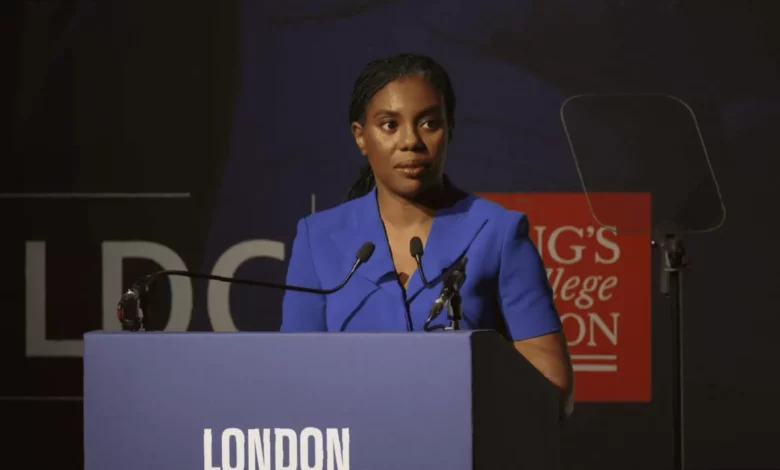
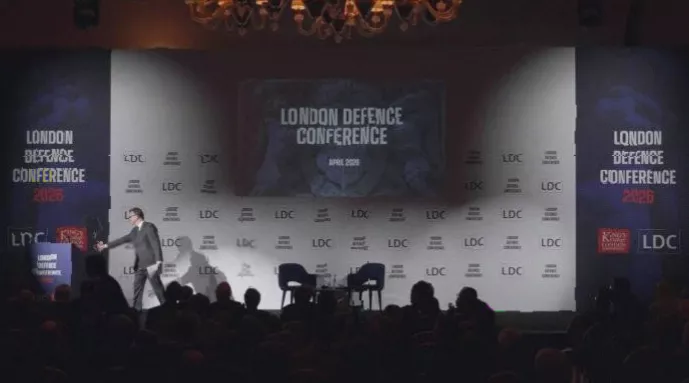
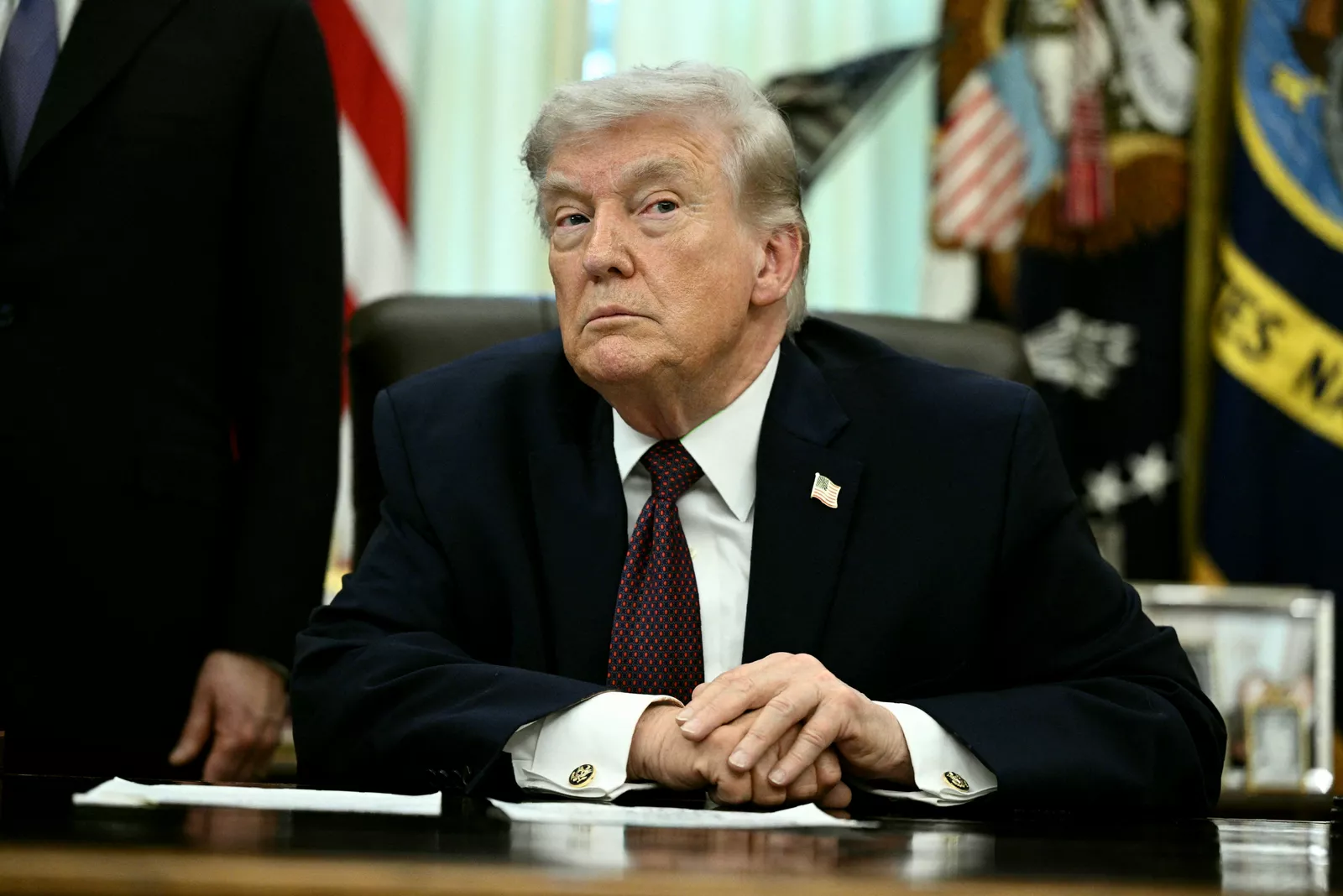
Kemi Badenoch issued the stark call to arms during an address to the London Defence Conference, stating the UK must “show we are willing to get our hands dirty” on defence and act independently to protect British interests. “The United States is playing by very different rules from what we’re used to,” she told the audience. “We are in the age of Donald Trump.”
The new geopolitical reality
In her analysis, Badenoch framed the former and potential future US president’s approach not as an aberration but as a potential new status quo, forcing a uncomfortable reckoning for Europe. “For decades, the United States has been complaining, at least privately, that Europe is not pulling its weight on defence,” she said. “President Trump may be unorthodox in how he speaks to us, but there are forces at play here that are much larger than his presidency.”
She acknowledged widespread dismay at his methods, stating that many find his actions “anathema”, his words “unstatesmanlike”, and his treatment of allies “needlessly provocative”, adding that some of his social media posts had “dismayed me, too”. However, she argued the substantive critique could not be ignored. “The mirror that he is holding up to Europe that we find so uncomfortable to look in is showing us that, without the United States, we cannot properly defend ourselves,” she warned. This aligns with her previous warnings of a “crisis of confidence” in Western civilisation and that the “‘Pax Americana’ of half a century is evolving, potentially even ending.”
The context for this speech is a global security landscape described at the same conference as having shifted from a “post-war” to a “pre-war” era, confronted by an “axis of authoritarian states” led by Russia, China, Iran, and North Korea.
Britain’s ‘woeful’ readiness and a Conservative blueprint
Badenoch directed sharp criticism at the current state of UK defence, accusing the Labour government of a “lack of readiness” and stating Britain looked “woefully unprepared” during a recent conflict in the Middle East while allies like France and Germany mobilised more effectively. She has pledged that a Conservative government would launch “the biggest peacetime programme of rearmament in our country’s history” to “reassert” Britain as a global power.
Her party’s specific proposals involve raising defence spending to 3% of GDP by the end of the current Parliament, an increase of £1.6 billion a year. This would fund, she said, the largest net increase in British troops since World War II – 20,000 new personnel, comprising 6,000 regular soldiers and 14,000 reservists. To finance this, the Conservatives propose reinstating the two-child benefit cap and reallocating £17 billion from “costly eco-projects” and “wasteful net zero schemes”, including the National Wealth Fund. They also plan to create a £50 billion Sovereign Defence Fund, leveraging private capital.
Further differentiating her party from the government, Badenoch pledged to scrap Labour’s Chagos Surrender Deal, which the Conservatives claim would cost £35 billion over 99 years. The deal has reportedly been put on indefinite hold after the US withdrew support, a move linked to deteriorating UK-US relations under Trump.
Lessons from the past and charges for the present
In a notable admission, Badenoch acknowledged her own party’s past shortcomings while in government. “I will be honest, the Conservative Party made mistakes in government,” she said. “We did not do enough early enough to rebuild the resilience and readiness that a more dangerous world required.” This reflects a historical dip where defence spending fell by 22% between 2010 and 2017 before rising again.
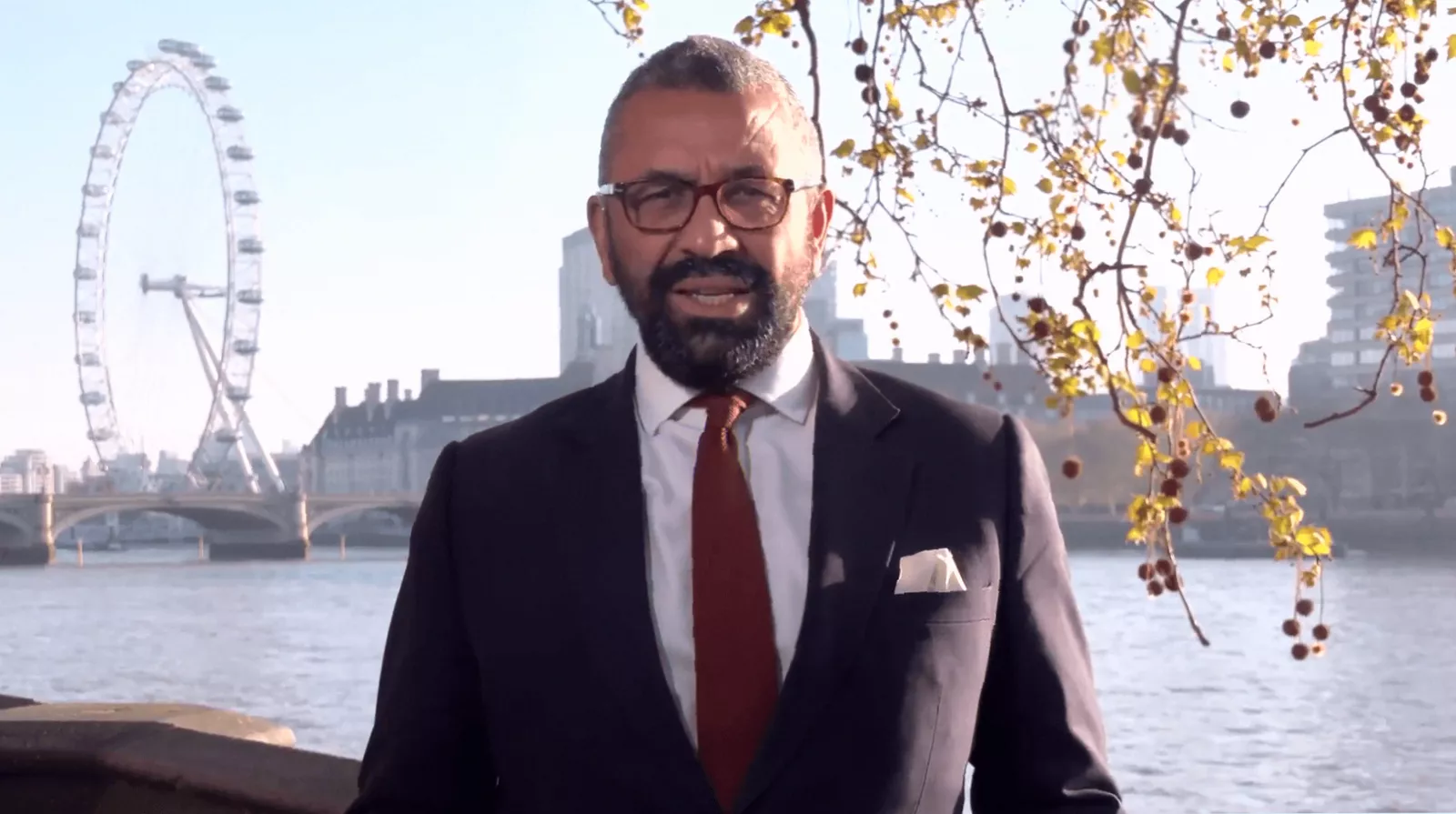
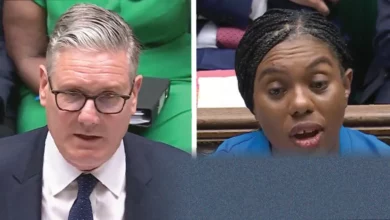
She contrasted this with her critique of the Labour administration, accusing Prime Minister Keir Starmer of being “all mouth and no trousers” on defence and having “hollowed out” the armed forces. She labelled delays to the defence investment plan a “national scandal” and claimed Labour had prioritised welfare spending over defence. Labour has committed to spending 2.5% of GDP on defence by 2027, with an ambition to reach 3% in the next parliament, but has faced pressure to provide a detailed plan.
Badenoch argued that Starmer’s “rowing with the US leader” was putting the “Atlantic Alliance under greater strain every day”. Power, she concluded, “does not come from wishful thinking” or “speeches about values if those values are not defended by hard capability.” The UK’s military position has weakened, with spending now behind Germany’s and the British army being the smallest in Europe relative to its workforce, apart from Luxembourg’s. Her message was clear: in the age of Trump, Britain must first look to its own capabilities.