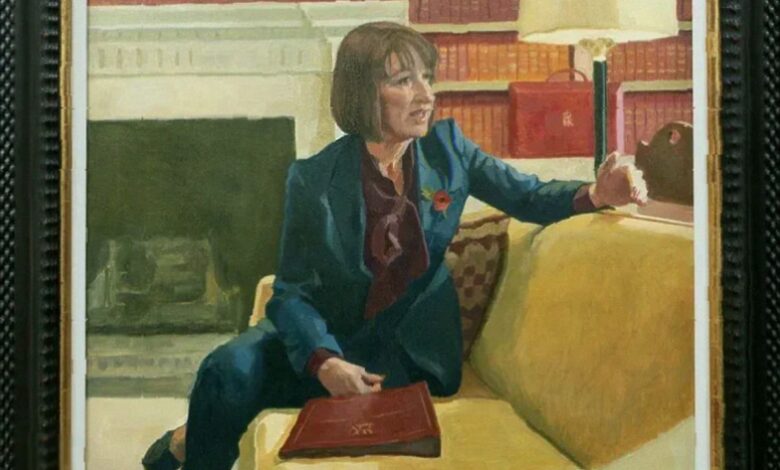
A £3,000 oil painting of Chancellor Rachel Reeves has sparked public anger after it was acquired for the Parliamentary Art Collection using taxpayers’ money, drawing sharp criticism for its timing amidst a historic rise in the UK’s tax burden.
Purchase and Process
The portrait, by artist Sally Ward, depicts Ms Reeves in her 11 Downing Street study consulting advisers on her inaugural Budget. It was quietly unveiled at the end of last month following a competition organised by the Society of Women Artists (SWA) for its 170th anniversary. Commons sources confirmed the £3,000 sum was paid as an “acquisition prize” from the budget of the cross-party Speaker’s Advisory Committee on Works of Art.
The Treasury confirmed the Chancellor did not commission the work, which was the result of an open call by the SWA. The acquisition falls under the remit of the Speaker’s Advisory Committee, which manages the Parliamentary Art Collection with a policy to address gaps in representation and tell Parliament’s story. Portraiture of notable office-holders is a key category for acquisition.
The artist, Sally Ward, is a professional portrait painter who has exhibited with the Royal Society of Portrait Painters and was a finalist on Sky Portrait Artist of the Year. Notably, she also has a background as a civil servant, having worked as an advisor for the Treasury.
Criticism of ‘Vanity Project’
The expenditure has been condemned as tone-deaf by the TaxPayers’ Alliance, given the acute financial pressures on households. William Yarwood, the campaign group’s director, said: “Taxpayers will be framing this as a total lack of self-awareness from the chancellor. While Reeves tells households to tighten their belts and hike taxes even further, she seems perfectly happy for the public to pick up the tab for her own vanity projects.”
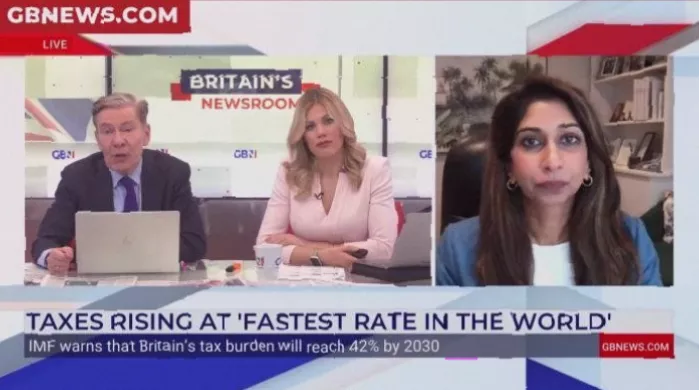
Critics argue the allocation of public money demonstrates poor judgement as Britons confront a record tax burden and the fallout from the ongoing Middle East crisis, which has driven up energy prices and inflation.
The controversy is amplified by the Chancellor’s own fiscal record. Since taking office in July 2024, Ms Reeves has introduced approximately £75 billion annually in additional taxation, according to the Office for Budget Responsibility’s historical records. This positions her as the most significant tax-raising Chancellor over the past sixty years, substantially exceeding the measures of Gordon Brown.
Defence as a Landmark
Ms Reeves has defended the portrait as a celebration of female achievement in British politics. Speaking at its unveiling, she said: “When I stood at the despatch box to deliver the first Budget by a female Chancellor, I was acutely aware of the generations of women who had fought to make that moment possible. I am deeply honoured that Sally Ward’s portrait will join the Parliamentary Art Collection as a permanent record of that history.”
She added that she hoped the portrait would serve as a reminder to every young woman and girl “that there should be no ceiling on their ambition.” Ms Reeves became the first woman to hold the office of Chancellor in its over 800-year history.
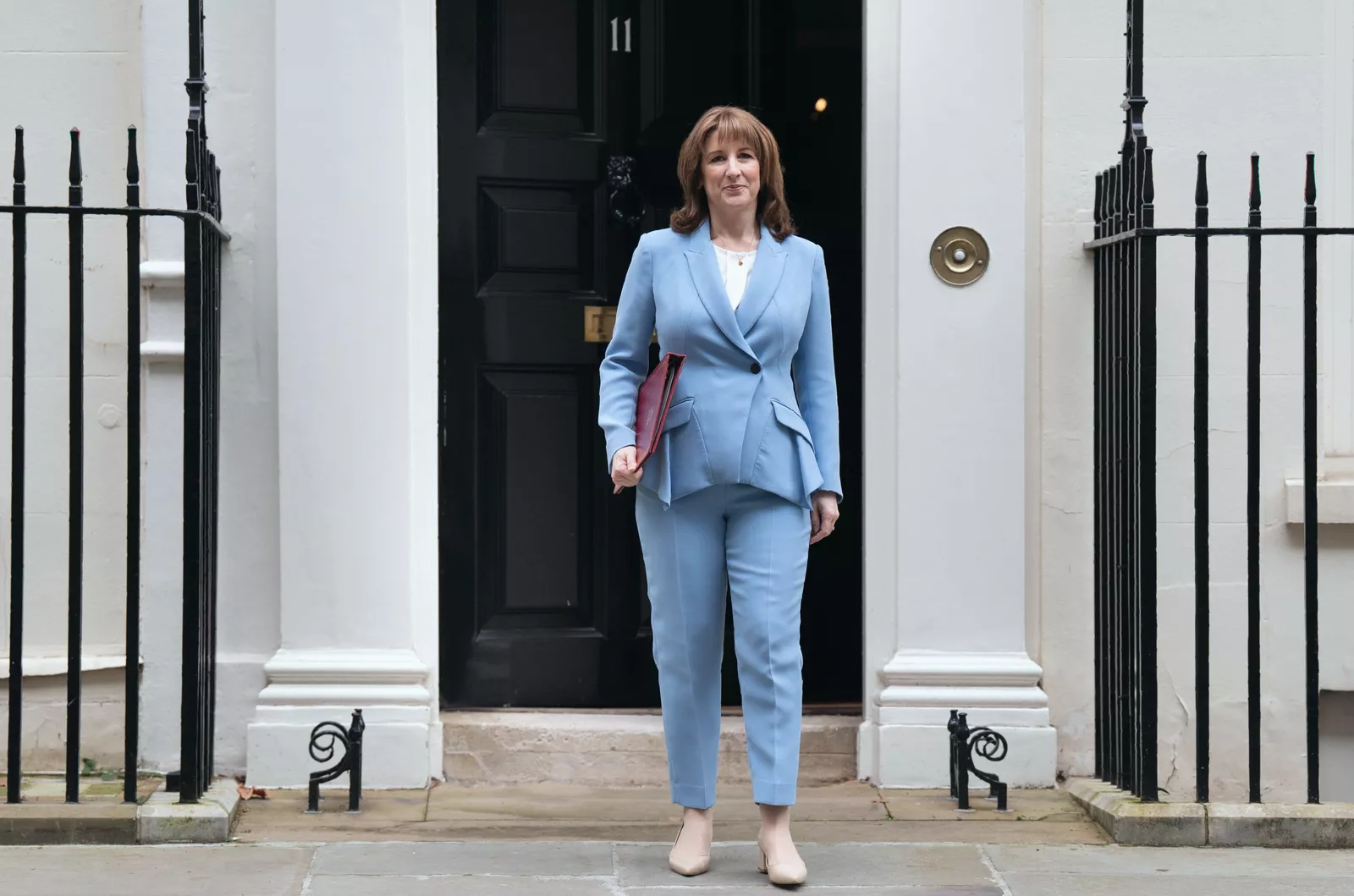
This is not the first change she has made to official artwork. The Chancellor has previously overhauled Treasury displays, replacing a portrait of former Conservative Chancellor Nigel Lawson with an image of “Red Ellen” Wilkinson, a former Labour minister under Clement Attlee, as part of an effort to ensure art in No. 11 Downing Street featured or was created by women.
The Weight of the Tax Burden
The political furore over the painting’s cost is set against a stark fiscal backdrop. The Office for Budget Responsibility has forecast that the overall tax burden will climb to an unprecedented 38.5 per cent of GDP by 2030-31, the highest level since records began in 1948. Some analyses suggest it could surpass 40 per cent, a level not seen since the Second World War, with the OBR warning that such a high burden could stifle growth.
Ms Reeves’s first Budget in October 2024 introduced tax rises worth £40 billion, the largest at a budget since 1993. Subsequent measures have included increases to Capital Gains Tax and changes to inheritance tax. Much of the additional revenue has been directed towards rising welfare expenditure, with pressure from Labour backbenchers to abandon spending restraints.
With Spring Statement projections already indicating a historic peak in taxation, the purchase of the portrait has provided a symbolic flashpoint for broader discontent over the nation’s financial direction.