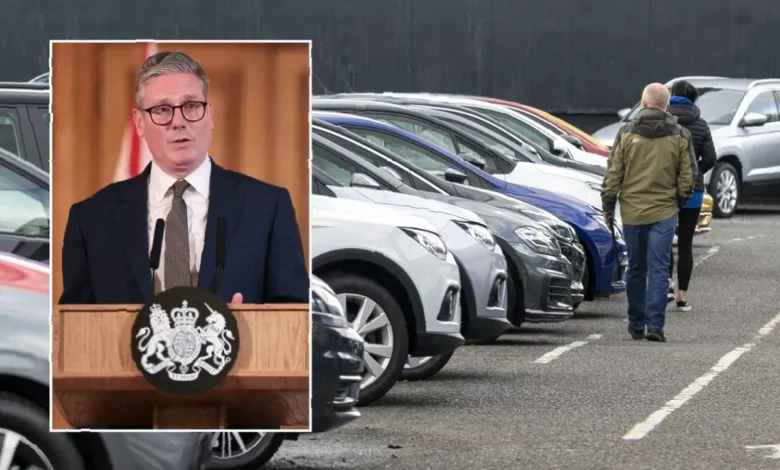
Drivers could be forced to pay an additional £1,800 for the average family car if the government proceeds with plans to realign the UK with European Union regulations, according to new analysis.
The projected price hike is linked to the potential adoption of the EU’s forthcoming Euro 7 emissions standards, a move currently under consideration by the Department for Transport. This comes as Prime Minister Sir Keir Starmer advocates for closer ties with Brussels, arguing the benefits of the relationship are “simply too big to ignore”.
The Cost to Consumers
Independent analysis commissioned by the European Automobile Manufacturers’ Association (ACEA) from Frontier Economics paints a stark picture of the potential financial impact. The study estimates that complying with the proposed Euro 7 rules could add around €1,862 (£1,600) to the manufacturing cost of a new petrol car and €2,629 (£2,260) for a diesel model. For diesel lorries, the increase is far steeper, estimated at approximately €11,707 (£10,000).
Translated to the forecourt, this could mean a five per cent increase on the price of an average family car, currently around £34,000, adding roughly £1,800 to the final bill for consumers. The Frontier Economics report suggests these figures are significantly higher than initial estimates from the European Commission, which had projected costs of between €180 and €450 for cars and €2,800 for lorries.

Understanding the Euro 7 Standards
The Euro 7 standards represent the EU’s next generation of vehicle emission rules, designed to further reduce air pollution. While the UK helped develop the standards through the United Nations Economic Commission for Europe, their adoption in Great Britain is not automatic and is subject to a government consultation closing on 25 May 2026.
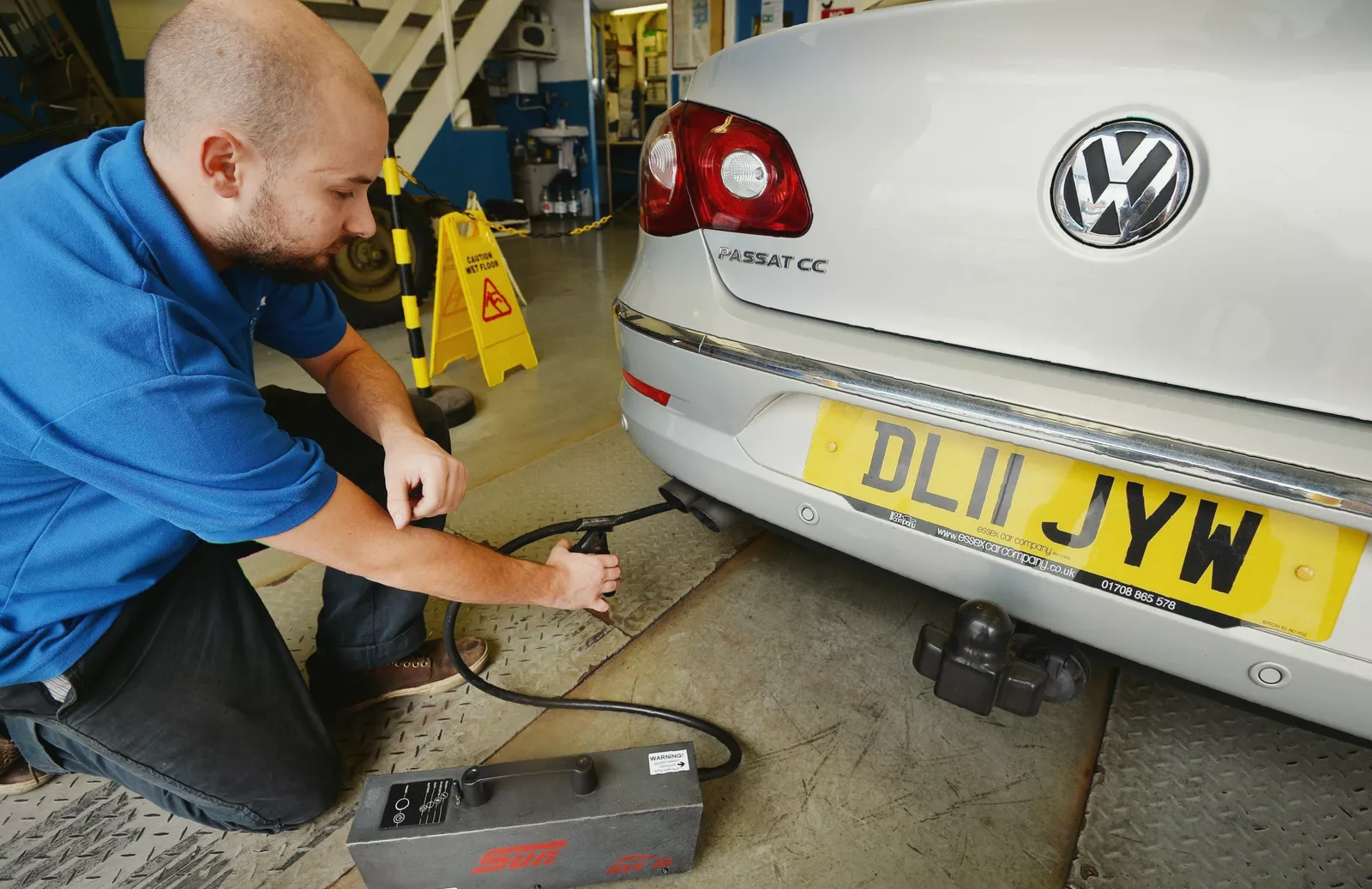
The proposed regulations introduce several significant changes. For the first time, they would set limits on non-exhaust emissions, targeting pollutants from brake dust and tyre particles. They also impose stricter, more realistic testing conditions, including short journeys and higher temperatures, and require vehicles to meet emission standards for a longer lifespan—10 years or 200,000 km.
Notably, the standards would also apply to electric vehicles for the first time, setting rules for battery longevity and addressing their non-exhaust emissions. The EU’s implementation timeline would see Euro 7 take effect for new light-duty vehicle models from 29 November 2026, and for new heavy-duty models from 29 May 2028.
The Department for Transport’s consultation proposes updating the minimum emission standard for new light and heavy-duty vehicles in England, Scotland and Wales to match the Euro 7 standard, aligning with the EU. Northern Ireland would automatically adopt the rules due to its different post-Brexit settlement.

Industry Concerns and Political Reactions
The automotive industry has voiced strong reservations. ACEA has stated that the “significant investment” required comes at a “critical juncture”, with manufacturers already grappling with decarbonisation, high energy prices, and supply chain issues. The association argues that the environmental benefits of Euro 7 are marginal compared to its high cost, suggesting that encouraging fleet renewal and accelerating electrification would yield greater improvements.
Some industry figures, such as Volkswagen’s Thomas Schäfer, have suggested compliance costs could reach up to €5,000 per vehicle. The Frontier Economics study also highlighted potential indirect costs, including a 3.5% increase in fuel consumption over a vehicle’s lifetime.
The political response has been sharply divided. Shadow Transport Secretary Richard Holden has criticised the potential move, telling The Telegraph: “Drivers are facing huge costs and challenges already – whether through anti-driver measures, rocketing fuel prices or charge after charge. Labour should not be aligning with these EU rules. We have no vote in these regulations, yet this weak Labour Government is choosing to impose them anyway.”
He accused the government of burdening drivers “with a brand new and totally unnecessary cost”.
The government’s approach is reportedly to use so-called “Henry VIII” powers, allowing it to amend Acts of Parliament by order to dynamically align with evolving EU rules in specific sectors, particularly around the single market, without full parliamentary scrutiny on each change. This forms part of a strategy to reduce trade barriers, though the government maintains its “red lines” of not rejoining the single market, customs union, or accepting freedom of movement.
The potential extra cost for motorists emerges against a backdrop of already high fuel prices, with tensions around the Strait of Hormuz impacting global oil supplies. Current RAC Fuel Watch data indicates drivers are paying around 158p per litre for petrol and 191.5p for diesel.