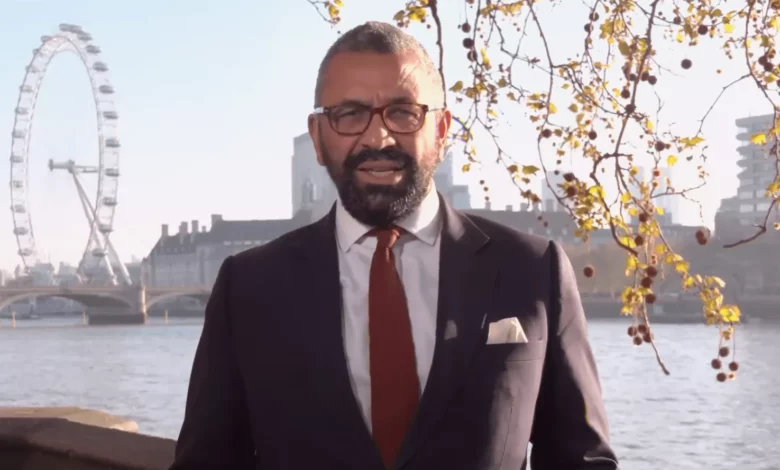
A senior Conservative shadow minister has publicly acknowledged that his party failed to invest sufficiently in the armed forces while in government, marking a significant admission on a politically sensitive issue.
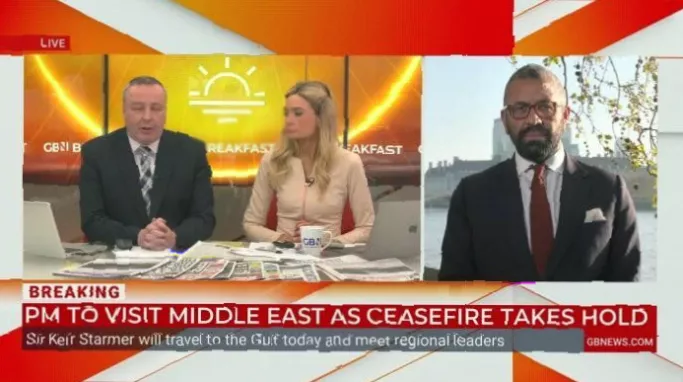
Sir James Cleverly, the shadow housing secretary, told GB News that the Conservatives “got things wrong” on defence spending and were now “changing our behaviour”. He stated plainly: “We recognise that we could and indeed should have perhaps spent more on defence.”
Sir James framed this contrition as a key point of contrast with the current Labour government, claiming Labour had “been warned from day one that they need to give certainty over defence” but had “chosen to increase the welfare budget rather than invest that money in defence”.
The Conservative shift on defence
The admission forms part of a wider effort by the party’s leadership to recalibrate its stance. Sir James pointed to senior colleague Kemi Badenoch as having made it clear the party would recognise past errors and “do things differently”. This follows years of external criticism and internal discussion over whether successive Conservative governments adequately funded defence amidst growing global instability.
The party’s approach is now set against the benchmark of the NATO alliance’s target for members to spend 2% of their gross domestic product on defence. While the UK has met this target in recent years, debates have intensified over whether this baseline is sufficient in a world reshaped by the war in Ukraine and other threats. Analyses have often pointed to specific areas of potential underinvestment, including army personnel numbers, equipment stocks, and next-generation capabilities.
Labour’s record and pledges
Sir James’s criticism of Labour’s prioritisation of welfare over defence references a long-standing political divide. The Labour Party, in its current manifesto, has made its own commitments to the armed forces, including a pledge to conduct a strategic defence review and to maintain the UK’s nuclear deterrent. The party has also committed to spending 2.5% of GDP on defence, but has not set a firm timeline for achieving this increase, arguing that economic stability must come first.
This difference in timeline and methodology forms the core of the Conservative attack, which seeks to portray Labour as hesitant and uncertain on national security funding despite the heightened geopolitical climate.
The search for defence certainty
The political exchange underscores a fundamental lack of long-term certainty for the Ministry of Defence. Strategic reviews and shifting budgetary timelines make multi-year procurement and recruitment planning difficult for military chiefs. The war in Ukraine has accelerated calls across the political spectrum for a “wartime mindset” and sustained investment, but translating that into a locked-in, cross-party funding consensus has proven elusive.
The ultimate measure, beyond political claims, will be the published defence budgets. Both parties are now grappling with how to fulfil ambitions for a more robust military while managing constrained public finances, with each attempting to frame the other as the source of uncertainty for the armed forces.