Shabana Mahmood Cuts Asylum Assessment Time Effective Today, Notes No Easy Solution to Illegal Migration


Home Secretary Shabana Mahmood has embarked on the most sweeping reform of Britain’s asylum system in decades, declaring an end to automatic permanent sanctuary for refugees and a new era of temporary protection subject to strict, regular reviews.
From today, adults granted asylum will see their refugee status become provisional, with permission to stay slashed from five years to just 30 months before a mandatory reassessment. The policy, which the Home Office hopes will lead to more returns to countries deemed safe, forms the centrepiece of a drive to make the UK a less attractive destination and tackle a crisis Ms Mahmood says has left up to 1.2 million illegal migrants in the country.
The Danish blueprint and a longer road to settlement
The shift takes direct inspiration from Denmark, where the Home Secretary visited last week to study a system that slashed asylum claims by more than 90 per cent in a decade. The Danish model involves making refugee status temporary, focusing on repatriation, and implementing shorter, less thorough case processing, sometimes involving transfers to third countries outside the EU.
Under the UK’s old system, refugees were granted five years of protection with rights to family reunion, followed by almost automatic permanent settlement and continued access to benefits and housing. The new “Core Protection” route dismantles that. Protection will be renewed only for those who continue to face a genuine risk in their home country and can demonstrate integration, such as through employment and language acquisition.
The path to permanent settlement has been dramatically extended. Refugees will now face a baseline wait of 20 years before becoming eligible for Indefinite Leave to Remain—a fourfold increase. That period could be shorter for those meeting specific requirements, or longer for those who arrived illegally. The automatic right to family reunion has also been abolished, with new requirements yet to be fully detailed.
Political pressure and internal dissent
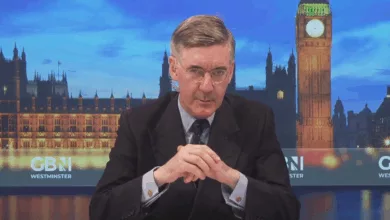
The policy change follows acute political pressure on Labour, coming after the party’s loss in the Gorton and Denton by-election where concerns about illegal migration featured prominently. Ms Mahmood, speaking to GB News, pleaded for time and acknowledged the depth of public frustration, which she said had benefited “populist” parties like Reform UK and the Greens.
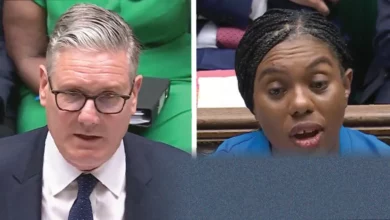
Her plans have ignited a firestorm within her own party. Dozens of left-wing Labour MPs have attacked the reforms, with some describing them as “cruel, unfair, and unworkable” and a “profound betrayal of Labour values.” Asked if she would water down the package in the face of this opposition, Ms Mahmood was unequivocal: “I’m going to go ahead with this package, as I’ve announced, this week.”
Charities have echoed the concern. The Refugee Council argues that temporary status will cause prolonged uncertainty, damage integration, and trap people in cycles of short-term tenancies or unsafe accommodation. The organisation also calculates the new system will create a vast bureaucratic workload, costing up to £725 million and resulting in 1.1 million repeat case reviews, with significant ripple effects expected for the housing sector and local authorities.
The scale of the challenge
The Home Secretary’s task is underscored by the system’s current statistics. While the asylum backlog has decreased by 18 per cent from its peak, there were still 70,532 cases awaiting an initial decision as of June 2025, with the average wait stretching between one and three years. Illegal arrivals remain high, with 46,497 detected in the year to December 2025—a 7 per cent increase—of which 89 per cent came via small boats. The majority hailed from just five nationalities: Eritrea, Iran, Afghanistan, Sudan, and Somalia.
Ms Mahmood pointed to UK-France cooperation, which she said had “prevented 40,000” crossings, but admitted a key “one in, one out” returns pilot scheme with the French had not sent back as many migrants as hoped. “We haven’t been able to do quite as big numbers as we would have wanted,” she said, adding that the government would work to scale it up.
She also took aim at what she called “vexatious, last-minute claims” of modern slavery used to avoid removal, which she said “make a mockery of our laws and this country’s generosity.” The Home Office is reviewing modern slavery legislation to prevent such misuse.
The alternative proposals
In her interview, the Home Secretary positioned her plan against what she framed as the extremes of rival parties. She criticised Reform UK’s radical proposals—which include leaving the European Convention on Human Rights, repealing the Human Rights Act, and aiming to deport up to 288,000 people annually—as unworkable, questioning how the party would renegotiate complex returns agreements. “Beware people who come along and say, ‘I can just do this one thing and it’ll be done’ because it’s not true,” she warned.
Conversely, she characterised the Green Party’s advocacy for more open borders and allowing asylum seekers to work as equally unrealistic, noting some within that party also express concern about immigration’s environmental impact.
Refusing to set a numerical target for reducing migrant numbers, Ms Mahmood conceded there was “no one silver bullet” and asked the public for patience. She expressed hope that the effects of the reforms, expected to be fully implemented in the autumn, would be felt by the time of the next general election in 2029. “Judge us on our delivery,” she said. “Bear with us. Give us a chance to do it and then judge us on that delivery.”