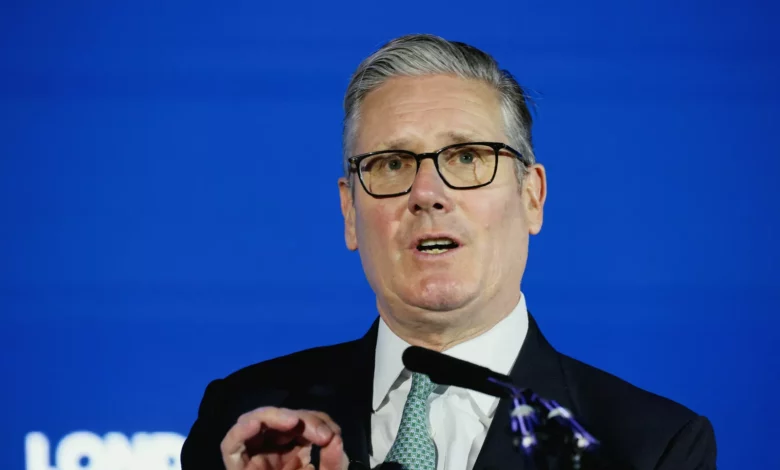
Labour faces a “summer of discontent” as internal turmoil threatens to paralyse the Government, the SNP has claimed, with the Prime Minister and his administration described as “in limbo” following a wave of ministerial resignations that has laid bare the depth of the crisis gripping Westminster.
Dave Doogan, the SNP’s Westminster leader, accused Labour of “entering a full blown civil war” after the departures of two defence ministers in a single day, warning that the public would be left to “count the cost” of the chaos. His remarks came as Sir Keir Starmer’s authority suffered what allies described as a hammer blow, with the resignation of Defence Secretary John Healey on June 11, swiftly followed by Armed Forces Minister Al Carns and two ministerial aides.
Mr Doogan said: “Labour’s chaos means that Westminster is set for another summer of discontent – the public is left with a Prime Minister and a UK Government literally living in limbo.” He argued that every day Labour focused on internal fighting was “one more day they will ignore the priorities of the people they are actually there to serve.”
Resignations expose deep divisions over defence spending
Mr Healey’s resignation on 11 June was the most significant blow to Sir Keir’s authority to date. In his resignation statement, Mr Healey said the Government’s Defence Investment Plan (DIP) fell “well short of what is required” to keep the country safe, and that the Treasury was “unwilling to commit the resources that the nation needs.” He argued that the proposed increase in defence spending to 2.68% of GDP by 2030 was insufficient given rising threats, including Russian aggression, the war in Ukraine and the ongoing conflict in Iran.
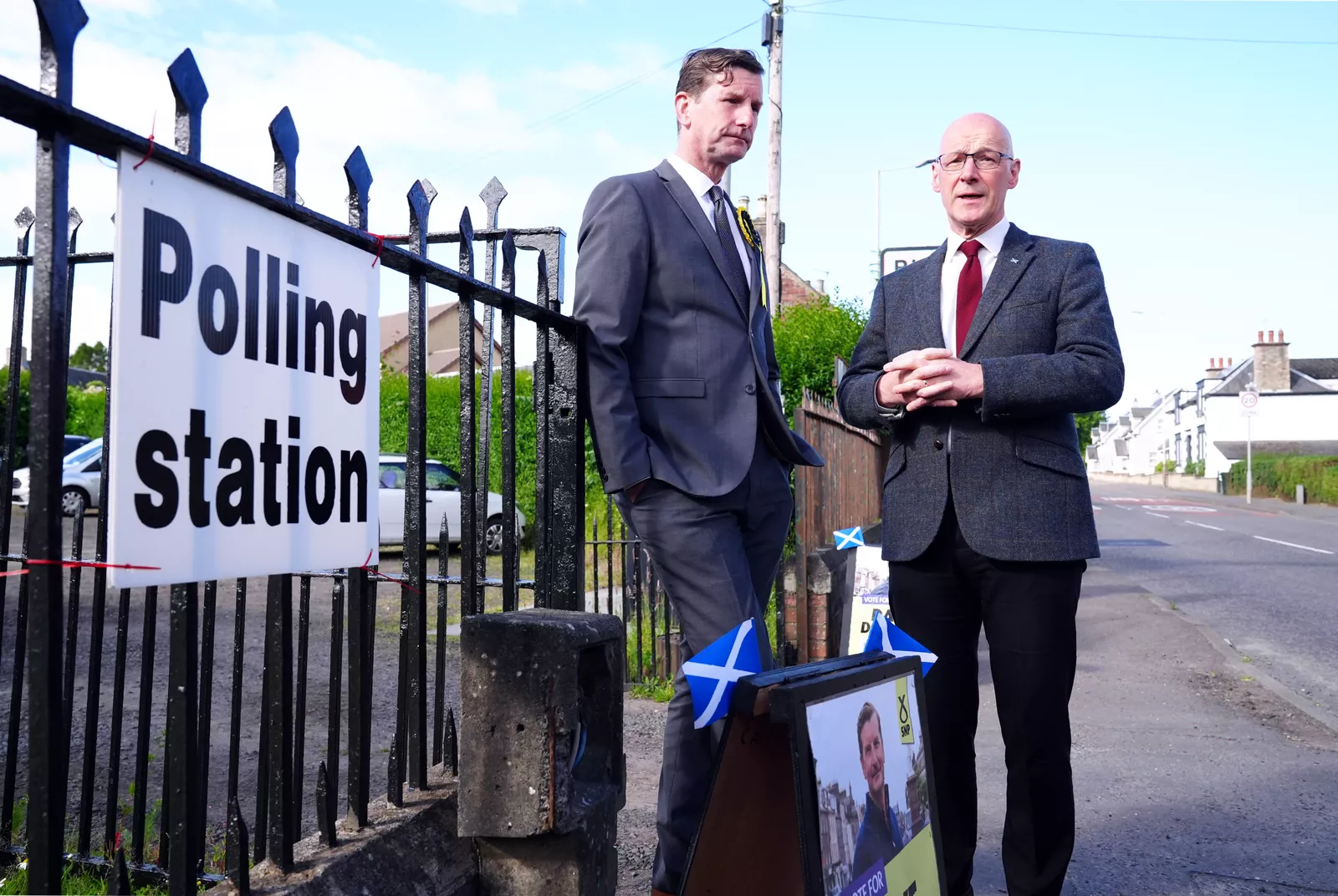
Hours later, Mr Carns quit as armed forces minister, echoing the concerns. He described the DIP as “neither transformative enough nor sufficiently funded” and accused the Government of “failing on both” providing adequate equipment and loyalty to service personnel. He criticised the plan for focusing on “how to fight the last war rather than the next one” and suggested difficult decisions were needed to replace outdated capabilities with innovative technologies seen in Ukraine. Mr Carns also hinted at a potential leadership bid should a contest be triggered, adding to the sense of a party in open revolt.
These resignations followed the earlier departure of Health Secretary Wes Streeting on 14 May, who said he had “lost confidence” in Sir Keir’s leadership and that it was “clear that you will not lead the Labour Party into the next general election.” Mr Streeting criticised the Government’s “drift” and lack of “vision,” and called for a broad leadership contest. His resignation came after Labour’s disastrous local election results in May 2026, when the party suffered heavy losses across England, Scotland and Wales, including a historic defeat in Wales where it lost power for the first time in a century. Reform UK, led by Nigel Farage, made substantial gains, while the Green Party also saw an increase in support.
The wave of resignations has been broader still. In May, four junior ministers left their posts: health minister Zubir Ahmed, faith and communities minister Miatta Fahnbulleh, Home Office minister Jess Phillips, and Ministry of Justice minister Alex-Davies Jones. The two ministerial aides who resigned alongside Mr Healey and Mr Carns on 11 June brought the total number of recent departures from government to eight. By mid-May, more than 95 Labour MPs had called for Sir Keir to resign or set a timetable for his departure, according to reports.
Leadership speculation and the Makerfield by-election
Attention is now turning to the Makerfield by-election on 18 June, where Greater Manchester Mayor Andy Burnham is the Labour candidate. Mr Burnham, who has made no secret of his leadership ambitions, needs a seat in Parliament to formally challenge Sir Keir. If he wins, the contest is expected to trigger a full-blown leadership race. Mr Streeting is also seen as a leading contender, and Mr Carns has indicated he may stand. Reform UK’s candidate, Robert Kenyon, is a strong challenger, reflecting the party’s growing influence. Other candidates include Michael Winstanley (Conservative), Sarah Wakefield (Green Party) and Rebecca Shepherd (Restore Britain).
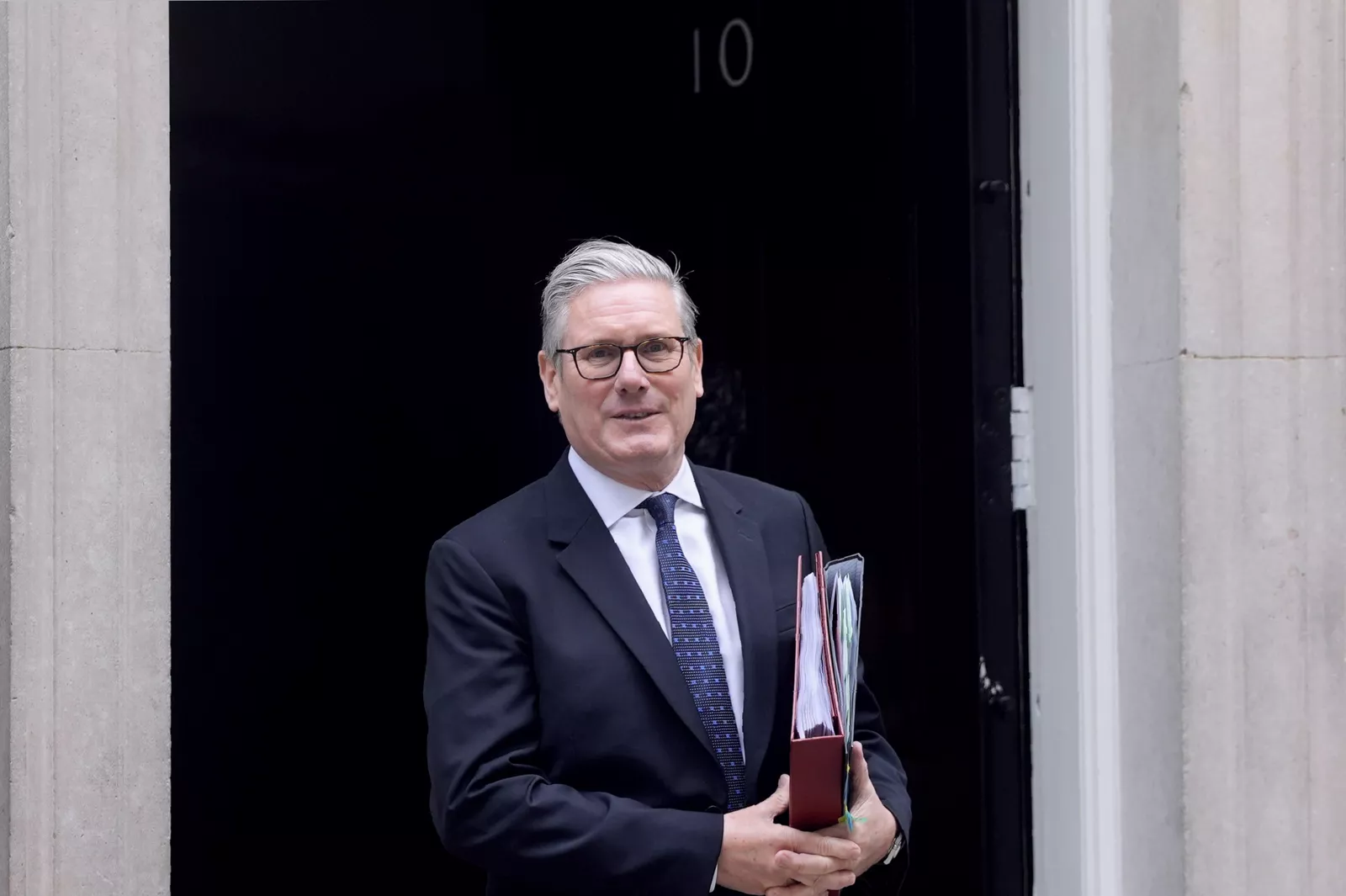
The SNP’s Mr Doogan was scathing about the situation, arguing that Labour had been “reckless from the very day they took office.” He said: “Every single day that the Labour Party are focused on fighting amongst themselves is one more day they will ignore the priorities of the people they are actually there to serve. For years, Labour politicians arrogantly lectured others about getting on with the day job – now they can’t even get through a full week without another resignation or another scandal.”
While accepting that “all political parties face their challenges,” Mr Doogan said it was “unforgivable that in Westminster those challenges constantly consume the job of Government.” He described chaos as “the permanent pattern of Westminster” and claimed that “a generation of our people have been left to pay the price of that damage and decline.”
Contrast with Scotland: ‘reliable leadership’ of John Swinney
Mr Doogan sought to contrast the turmoil in Westminster with the situation in Scotland, where he hailed the “reliable leadership” of SNP leader and First Minister John Swinney. He insisted the SNP would not let the “distraction of Westminster’s chaos” stop it from focusing on the priorities of the Scottish people, citing new support for first-time buyers, a major childcare expansion, and progress in bringing down NHS waiting lists. He also framed independence as an escape from the constant upheaval, saying the SNP would “keep offering the Scottish people the only hope of an escape from the constant chaos of Westminster through the fresh start of independence.”
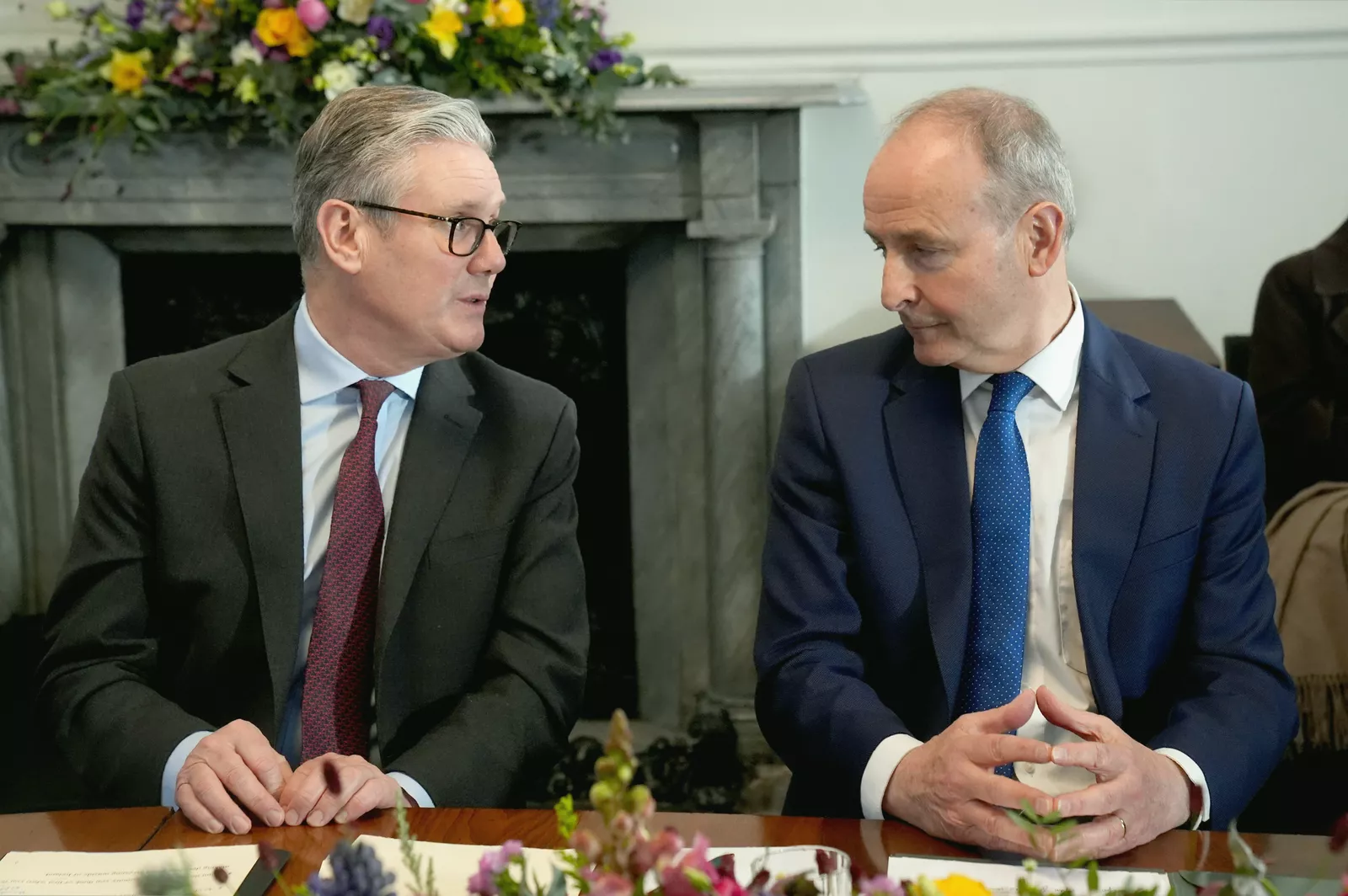
The SNP’s criticism has extended beyond the internal Labour crisis. Mr Doogan has previously attacked the Government’s “anti-business policies,” which he says are harming jobs and businesses in Scotland. He has also dismissed calls for a Westminster inquiry into the SNP’s Peter Murrell embezzlement case as a “party political stunt” by Labour and Conservative MPs.
Meanwhile, the cost-of-living crisis continues to bite. From 1 July, typical household energy bills are projected to rise by around 13% – roughly £221 annually – to an average of £1,862 for dual-fuel households paying by direct debit. The increase is attributed in part to the ongoing conflict in Iran, which has driven up gas prices, while energy companies have reportedly made significant profits during the period.
On the international stage, Sir Keir is due to meet G7 allies and attend a NATO summit in Ankara, where he will face questions about the UK’s defence spending and readiness. The resignations from the Ministry of Defence have underscored concerns about rising global threats, including increased Russian activity, the war in Ukraine, and the Middle East conflict, particularly around the Strait of Hormuz. Beyond the immediate political crisis, there are broader anxieties about the British state’s capacity to deliver on the Government’s agenda, with noted frustrations over Whitehall and the senior civil service, leading to high-profile firings of the cabinet secretary and a permanent under-secretary.