Chris Bowen warns petrol reserve release cannot quickly curb fuel shortages amid RBA rate hike forecast

Australia’s economic stability and domestic security are under simultaneous pressure from international conflict and internal policy reforms, with the Reserve Bank poised to impose another interest rate hike as the government grapples with a fuel crisis and cracks down on professional misconduct.
RBA expected to hike rates as fuel crisis fuels inflation
The Reserve Bank of Australia is widely expected to raise the official cash rate from 3.85% to 4.1% this afternoon, in a move directly influenced by soaring global oil prices triggered by Middle East tensions. It would mark the second consecutive monthly increase.
Economists warn the decision, anticipated at 2.30pm, could add approximately $91 to the monthly repayment of a typical $600,000 mortgage. The bank’s governor, Michele Bullock, will face scrutiny in a 3.30pm press conference for any hint that a third straight hike could follow in May.
The RBA’s hand is being forced by persistent inflation, which at 3.8% remains stubbornly above its 2-3% target band. Central bankers worldwide are recalibrating plans after a broadening Middle East conflict sent petrol prices soaring, threatening to embed rapid price increases in the national psyche and leaving the RBA with “little wriggle room”.
Government releases fuel reserves amid panic buying
That conflict centres on the Strait of Hormuz, a critical global oil chokepoint, where Iran’s effective closure has disrupted supplies. Defence Minister Richard Marles confirmed that the United States has not requested Australia send naval vessels to the region, but acknowledged the “global interest” in keeping the strait open.
Mr Marles stated that were a formal US request for assistance to be made, the government would “work through it” to determine the best way to contribute, guided first by “Australia’s national interest”.
The geopolitical shock has translated into a domestic crisis, with dozens of service stations across the country running dry as customers engage in panic buying. In response, the Albanese government last Friday directed fuel companies to release about 20% of the nation’s petrol and diesel reserves.
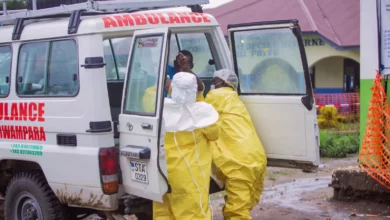
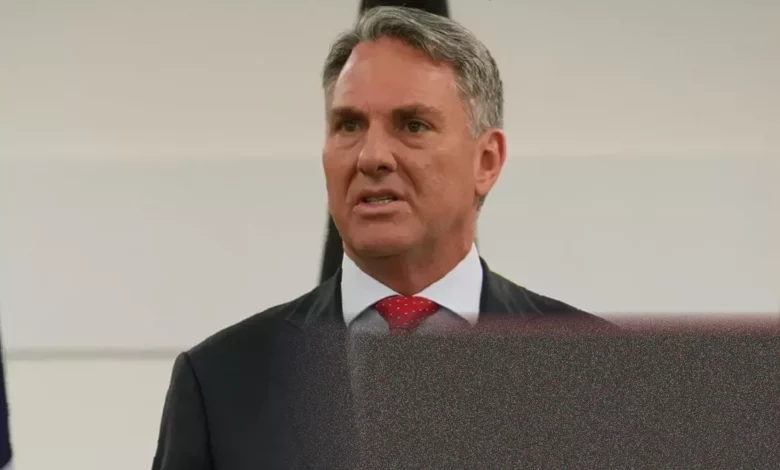
Energy Minister Chris Bowen has cautioned that it will take “some time” for this reserve fuel to reach areas hit by shortages, due to a “very complicated supply chain”. Some companies have indicated an impact within days, but the full effect will not be immediate.
The opposition has seized on the issue, with leader Angus Taylor accusing the government of failing to act promptly. “Last week, on Tuesday, there was no problem at all. By Thursday, it was a national crisis,” Mr Taylor told RN Breakfast, arguing the government has a role in managing shortages, not just global price shifts.
Minister Bowen has maintained that petrol prices reflect global market rates, a point Mr Taylor conceded but countered by stressing “shortages are not part of that.” The opposition leader did not outline specific alternative measures the Coalition would take.
Migration agents face tougher rules as veteran banned
Separately, the federal government is escalating a crackdown on unethical immigration agents, announcing tougher ethical standards and training requirements for the industry. Assistant Minister for Citizenship and Multicultural Affairs, Julian Hill, said the changes are designed to ensure high-quality assistance for visa applicants.
From 1 April, new providers will face updated mandatory course lists, while existing agents must undergo fresh training on ethical standards and their code of conduct obligations.
The government revealed that 61 agents have been sanctioned for breaches since the 2021/22 financial year. In one notable case, a veteran operator of 20 years had their registration cancelled for five years for “significant breaches,” including knowingly supplying false and misleading information in visa applications and using generic templated statements.
“While most registered migration agents act with professionalism and integrity, those who engage in wrongdoing will be caught – it’s not a matter of if, but when,” Mr Hill said.
NSW moves to strengthen LGBTQ+ hate crime laws
In New South Wales, the state government today will introduce legislation to toughen penalties for hate crimes against the LGBTQ+ community, following a series of disturbing attacks. Premier Chris Minns labelled the attacks, some allegedly IS-inspired and involving victims being lured via dating apps before assault or robbery, as “sickening and completely unacceptable”.
The proposed laws include a new offence of procuring a person through false or misleading representations with intent to commit a serious assault or robbery, a response directly linked to the dating app luring cases. This offence will apply beyond the LGBTQ+ community.
Existing “post and boast” offences for sharing crime footage online will be expanded to cover serious assaults and robberies against LGBTQ+ individuals. The maximum sentence for threatening or inciting violence on grounds such as sexual orientation or gender identity will increase from three to five years.
However, the government has not acted to expand a controversial offence for inciting hatred on the grounds of race to include gender identity or sexuality. A six-month review on potentially expanding these laws was completed in November but remains with the government.