Scottish Labour has pledged to break what it calls the SNP’s “dither and delay” and deliver a functional NHS patient app within a year if elected, as the party seeks to make technological modernisation a key battleground in the coming election.
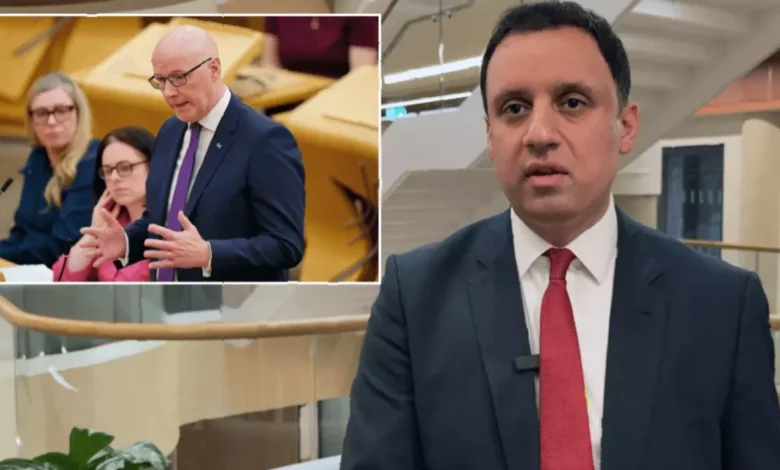
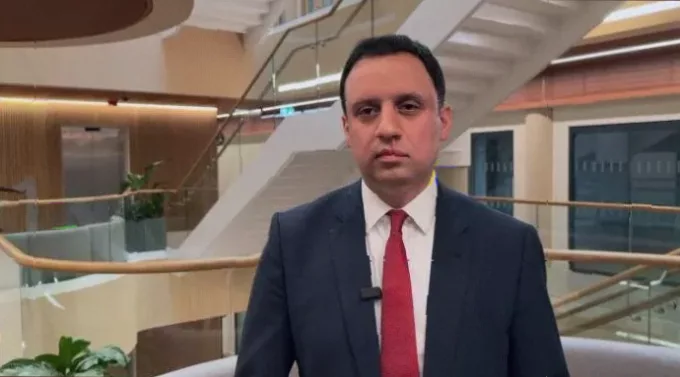
Leader Anas Sarwar and deputy Jackie Baillie set out the plan during a visit to the Govan Health Innovation Hub in Glasgow, a purpose-built £80 million facility designed to accelerate digital health companies. They argued that Scotland’s health service is being held back by an “analogue” government while patients in England and Wales have had access to comprehensive mobile apps since 2019.
The Scottish Labour proposal involves fast-tracking development by licensing existing app infrastructure from NHS England and NHS Wales, rather than building a wholly bespoke system. The party claims this approach could see a Scotland-wide app launched within the first 100 days of a Labour government, with full functionality for booking GP appointments and ordering prescriptions within a year.
Funding, they suggest, could come from repurposing approximately £50 million from the existing NHS Digital Directorate budget.
A Symbol of Broader Failure
For Labour, the absent app symbolises a wider failure to modernise the NHS after 17 years of SNP administration. Mr Sarwar criticised First Minister John Swinney as “an analogue First Minister in a digital age,” while Dame Jackie Baillie pointed to the health service’s continued reliance on pagers for hospital staff and fax machines for GPs as evidence of systemic stagnation.
“SNP failure to modernise our NHS is piling pressure on services,” she claimed, arguing that two decades of government had “weakened the NHS” with no clear vision for reform.
The SNP government, however, insists it is already delivering on this front. Health Secretary Neil Gray stated that Scotland’s own app, ‘MyCare.scot’, is on track for a phased rollout beginning in April 2026. A £27.8 million contract for its development was signed with the firm CGI in May 2025.
Mr Gray accused Labour of “desperately promising something the SNP is already set to deliver,” and pointed to Labour’s record in England where private tech firms have been involved in NHS app development. Internal documents, however, reveal that First Minister John Swinney has himself expressed perplexity over the project’s delays, noting that similar technology was developed much faster during the COVID-19 pandemic.
The ‘MyCare.scot’ rollout is scheduled to begin with dermatology outpatients in NHS Lanarkshire this April, with a full national rollout anticipated by April 2026.
Mounting Pressure on Performance and Waiting Times
The clash over digital technology comes against a backdrop of severe pressure on NHS performance. The Scottish Government had set a target to eradicate 12-month waiting times by the end of March this year, but figures from January suggested over 50,000 patients were still waiting longer than a year, making the target unlikely to be met.
When asked by the Press Association if missing this target should cause Health Secretary Neil Gray to resign, First Minister John Swinney simply responded, “No.” He asserted that “progress has been made,” citing eight consecutive months of falling long waits in outpatients.
Audit Scotland reports have provided a starker assessment, highlighting that only three out of eight key national waiting time targets have been met in the last five years. As of March 2025, 59% of outpatients had waited over 12 weeks for an appointment, and 67% of patients had waited over 12 weeks for inpatient admissions.
In some specialities, waits have stretched to extraordinary lengths; the longest recorded include over eight years for plastic surgery and almost seven years for ear, nose, and throat treatment. Cancer treatment targets also remain a critical concern, with the 95% target for treatment within 62 days not met since 2012.
Opposition parties argue this reflects a lack of strategic direction. Audit Scotland has reported that the Scottish Government lacks a clear plan for NHS reform, though a Health and Social Care Renewal Framework published in June 2025 was noted as a step in the right direction.
Further criticism came from Reform UK Scotland leader Lord Malcolm Offord, who in a separate interview called for a “complete reset” of NHS Scotland. He highlighted stark health inequalities, noting a 20-year life expectancy gap between different areas of Glasgow. Lord Offord, who previously edited a paper suggesting a “dialogue” on patient charges, stated the service’s founding principles should remain but “the rest does need to be looked at.”
The political attacks underscore the central role NHS performance will play in the upcoming election, with technological modernisation framed not as a niche issue but as a critical test of a government’s competence and vision for the future of public services.