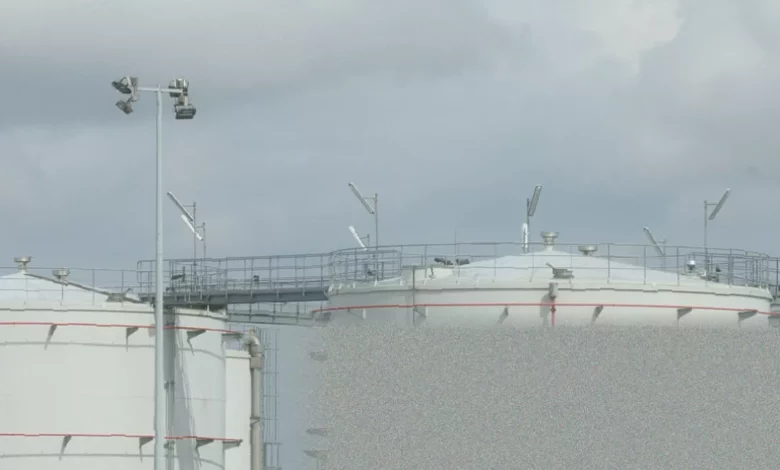
Europe has just six weeks of jet fuel remaining, according to a stark warning from the International Energy Agency, as the war in Iran triggers what the organisation describes as the largest energy crisis in history.
The IEA’s executive director, Fatih Birol, issued the alert based on the effective closure of the Strait of Hormuz, a vital chokepoint through which approximately 20% of the world’s oil supply flows. He stated that if oil supplies remain blocked, flight cancellations across Europe could begin “soon”.
Airlines on the brink as costs spiral
The aviation industry is already buckling under the strain. The budget carrier easyJet reported a £25 million increase in its fuel costs in the last month alone due to soaring oil prices, warning that its pre-tax loss for the half-year would be significantly larger. The airline said uncertainty from the conflict was causing customers to book closer to their departure date.
Thomas Pugh, chief economist at RSM UK, explained that while crude oil prices have fluctuated, “it’s refined product prices that matter for business and inflation. Jet fuel prices are still above their 2022 peaks”. He confirmed that the last tanker to pass through the Strait of Hormuz reached Europe days ago, and while the UK is importing more from the US, it is not enough to fill the gap. Other airlines, including Ryanair, have raised the threat of summer flight cancellations, and some European airports have begun rationing fuel, with higher costs being passed directly to passengers through increased fares.
EU scrambles for a response
Facing a critical supply crunch, the European Union is drafting emergency plans. According to a draft proposal seen by Reuters, the European Commission will from next month introduce EU-wide mapping of oil refining capacity and implement measures “to ensure that existing refining capacity is fully utilised and maintained”. The industry is urging the bloc to consider temporary tax suspensions and coordinated fuel purchasing.
A global economic shockwave
The disruption extends far beyond aviation, constituting an “unprecedented shock to global energy markets” with severe economic consequences. Kristalina Georgieva, the managing director of the International Monetary Fund, warned that the conflict is pushing global inflation higher and weighing on growth, adding that supply chain disruptions “are not going to evaporate overnight even if the war ends tomorrow”. She emphasised that the global economy faces a permanent hit to living standards.
Asian nations are first in the firing line due to their heavy reliance on Middle Eastern energy. Fatih Birol identified Japan, Korea, India, China, Pakistan and Bangladesh as the “front line”, with more than 80% of Gulf oil and LNG destined for Asia. The Philippines, which sources 90% of its oil from the region, has declared a national energy emergency, with diesel reserves for 46 days and jet fuel for 39. Vietnam faces similarly depleted stocks.
The crisis has cascaded into critical sectors like agriculture, as fertilizer prices have surged by up to 40%. With energy making up most of production costs, this spike threatens crop yields and global food security, hitting import-dependent regions like Africa particularly hard. Abebe Aemro Selassie, director of the IMF’s African Department, stated the war is a “major new external shock” for sub-Saharan Africa, disrupting trade with Gulf partners and squeezing tourism and remittances.
Commodity markets are also in turmoil, with benchmark aluminium prices hitting a four-year high due to supply worries, as the Middle East accounts for around 9% of global production.
UK’s fragile recovery under threat
The UK economy showed unexpected resilience in February, with GDP growing by 0.5% in a recovery led by the private sector. However, economists unanimously caution this positive data predates the conflict and is now under grave threat.
Andrew Wishart, senior UK economist at Berenberg, said the Iran war will “snuff out the UK’s early 2026 momentum,” leading to both weaker growth and higher inflation. He cited rising energy prices and mortgage rates as new headwinds for households, while businesses face another input cost shock. Chris Beauchamp, chief market analyst at IG, warned that with companies already cautioning about earnings and consumer spending, “today’s good news could turn to dust all too quickly.” Projections from the IMF and OECD suggest the UK could be the worst-hit western economy from the conflict.
The geopolitical standoff continues to intensify the crisis. The US military has implemented a blockade of all maritime traffic entering and leaving Iranian ports, a move aimed at pressuring Tehran to reopen the Strait of Hormuz. While the US states vessels to non-Iranian ports are unimpeded, the action has halted seaborne trade with Iran. The long-term implications are profound, with analysts suggesting the crisis will accelerate the global energy transition away from fossil fuels but leave permanent scarring on the world economy.