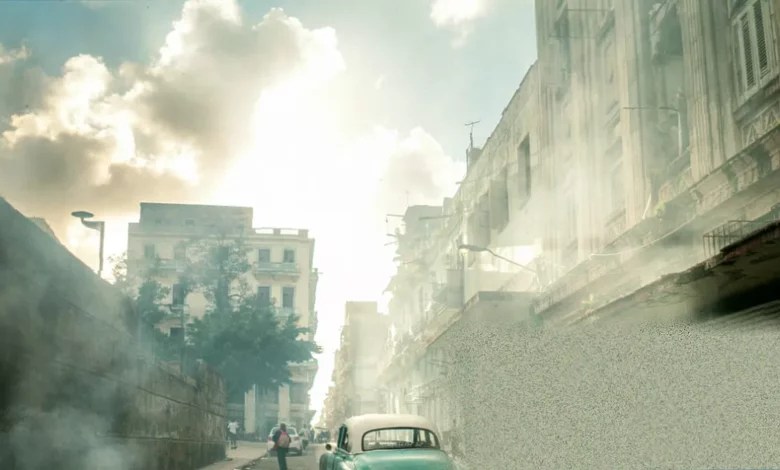
Havana residents are burning rubbish on street corners and in makeshift dumps, as a fuel shortage triggered by the US oil blockade has slashed waste collection to a fraction of its usual capacity. Thick, toxic smoke seeps through the narrow streets, into homes, schools and shops, leaving residents such as chef Carlos Blanco to describe the smog as a “mist” that is anything but natural. “I saw a mist. But it wasn’t mist – it was smoke,” he said, recalling the sight of a smouldering mountain of waste outside his window.
Health and environmental toll
The practice of open-air burning, particularly by residents acting on their own, poses severe risks to public health and the environment. The state-run Cuban Neuroscience Center has warned that unofficial fires – which it says burn at lower, inconsistent temperatures – are far more dangerous than controlled incineration. “This releases substances from the waste and creates new ones as molecules break down and re-form in the flames … [which] can persist in the environment for years and in the human body for perhaps a decade or more,” the centre cautioned. Among the toxic gases released are dioxins and furans, which are associated with respiratory and cardiovascular diseases. Experts have highlighted increased risks of asthma and chronic respiratory conditions, with children and the elderly particularly vulnerable.
The environmental damage extends beyond the air. Burning rubbish pollutes the soil and water, while the largest open-air dump in Cuba – known to residents as El Bote del 100 (The Dump on 100th Street), a 105-hectare wasteland piling 52 million cubic metres of garbage up to 25 metres high – is a frequent source of toxic smoke that blankets large parts of Havana. Nearby communities report noxious fumes spilling into their homes, and some have suffered severe respiratory problems, including spitting blood.
Uncollected waste also fuels disease. With the rainy season approaching – from May to November – stagnant water pooling in discarded plastic provides ideal breeding grounds for the Aedes aegypti mosquito, which spreads chikungunya, dengue and other arboviruses. A chikungunya outbreak late last year affected as much as a third of the island’s population, and by December 2025 confirmed cases had exceeded 38,000 across all 15 provinces. Combined outbreaks of chikungunya and dengue have led to 33 deaths, including 21 children. Havana resident Francisco Castillo contracted chikungunya in January after a mosquito bite. “I was really, really sick for a few days,” he said, unable to walk because of limb pain.
Flies and rats are another consequence. “The flies outside come inside your house. But you’re eating, and those flies might spread poo on to your food. And that’s food you’re going to eat,” Castillo said, describing a constant battle against infestations despite keeping his door shut and burning insect-repellent incense. At a clothing market in central Havana, Yani Cabrera wears a face mask as white smoke pours into her shop. “Some guys from the street lit [the fire],” she said, pointing to a burning pile of rubbish. “I use this [mask] when there is a lot of smoke … I’m worried because this is dangerous.”
At hospitals, doctors are seeing a rise in hygiene-related illnesses. Dr Maria Salvador, a physician in Havana, noted an increase in hepatitis, particularly among children. “It is harder to keep an eye on kids – everything they put in their mouths, their tendency to wander off, and everything they eat while in the street,” she said. Gastrointestinal issues have also surged. Children can be seen playing marbles near waste tips, dogs gnaw at discarded scraps, and some locals scavenge through the rubbish for items to sell.
Fuel blockade cripples waste collection
The root cause of the crisis is the US oil blockade, now in its fourth month, which has choked off most of the island’s fuel supplies. With petrol severely rationed, Havana’s waste collection fleet has been decimated. Only 44 of the city’s 106 rubbish trucks are operational – about 41.5% of the total. Trucks that once collected household waste weekly now come once a month. “Since there is no proper oversight and no collection, the result is an epidemic of flies, rats, waste and foul odours,” said Castillo, whose home in central Havana faces a growing heap of rubbish where passersby dump bags and rotten food.
Faced with festering waste, many Cubans throw their household rubbish into the street rather than let it accumulate indoors. The government has designated 122 temporary waste collection points across Havana, at 24 of which it permits “controlled incineration”. Alexis González Inclán, a sanitation department official, defended the measure. “They are not ideal from an environmental standpoint, but they serve to mitigate risks to public health and urban order,” he told the news outlet Cubadebate.
Yet even efforts to combat disease vectors have been hamstrung by fuel shortages. Fumigation trucks require petrol and chemicals that have become prohibitively expensive under the blockade. Diego Sanchez, the owner of a private fumigation company, reports that many of his costs have increased tenfold since the restrictions began. He is convinced that inadequate fumigation will lead to another mosquito infestation. “It’s going to stay the same this year, because there aren’t any clear solutions yet,” he said, warning that diseases “will continue to rise if nothing changes.”
Desperate measures and future outlook
With no end to the blockade in sight, the Cuban government has attempted to adapt. In March it launched “Cuba Recycles”, a year-long initiative aimed at increasing awareness about recycling and introducing new collection points for recyclable waste. Prime Minister Manuel Marrero Cruz has also called on Havana residents to participate in citywide clean-up efforts, deploying equipment and urging collective mobilisation. But the lack of a widespread recycling culture hampers progress. “Here we don’t have a culture of recycling. None,” noted Blanco, the chef.
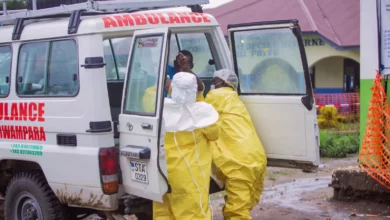
The government admits it does not have accurate data on the amount of waste generated in Havana, complicating effective planning. Meanwhile, the broader healthcare system is buckling under pressure from regular blackouts – lasting up to 20 hours in many areas – and scarce medicine. Fuel shortages mean ambulances struggle to respond to emergencies, and diagnostic equipment such as X-ray, ultrasound and CT machines are often unusable. Cancer patients requiring radiotherapy and chemotherapy face severe delays, and people with cardiovascular conditions are among the most affected. Some patients are forced to buy medication on the black market. “I have seen how the quality of the healthcare system has been declining – not in terms of the doctors, but in terms of the resources we have to work with,” said Dr Salvador.
In a country historically renowned for its healthcare, many Cubans now repeat a modern saying: “Try not to get sick, because there is nothing at the hospital,” said Blanco. With the blockade showing no sign of easing and the rainy season about to begin, the combination of burning waste, uncollected rubbish and a strained medical system points towards a worsening public health crisis. As Cabrera put it, “We have to try to survive and hang in there because things aren’t getting any better. What can we do?”